
BLOG
23
2026-10
How Can B2B Buyers Evaluate a 4-in-1 CO and Natural Gas Detector?
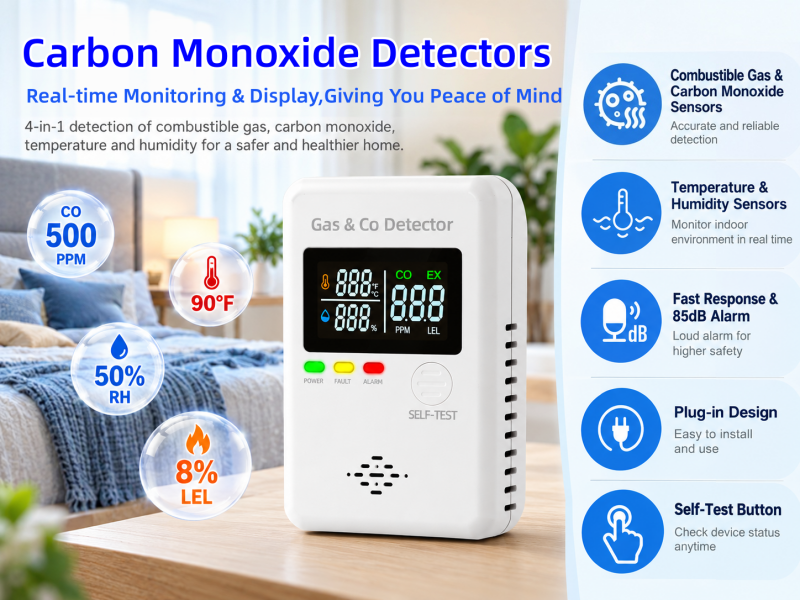
A 4-in-1 CO and Natural Gas Detector is an indoor safety device that monitors carbon monoxide (CO), methane-based natural gas, ambient temperature, and relative humidity in one unit. Its two gas-monitoring functions address different hazards; temperature and humidity readings provide additional environmental information rather than replacing a dedicated fire or environmental-control system. For importers, distributors, and OEM brands, selection starts with verifiable performance, not display icons. A 4-in-1 CO and Natural Gas Detector such as SUMRING SR-910 provides seven practical checks for a sound purchasing decision. 1. What Exactly Does the Detector Monitor? A 4-in-1 CO and Natural Gas Detector combines four measurements, but that does not necessarily mean four independent hazard alarms. CO can accumulate when fuel-burning equipment operates improperly, while methane can escape from natural gas connections or appliances. The SR-910 is specified to issue audible warnings for these gas hazards. Its display also presents temperature and humidity readings, useful when buyers want a compact visual overview of an indoor environment. Before advertising additional temperature or humidity alarms, request specific evidence: the supplied manual does not define separate warning thresholds for either environmental measurement. For product catalogues, describe the device as a dual-gas alarm with temperature and humidity......
21
2026-10
How Should B2B Buyers Evaluate a 4-in-1 Plug-In CO and Natural Gas Detector?
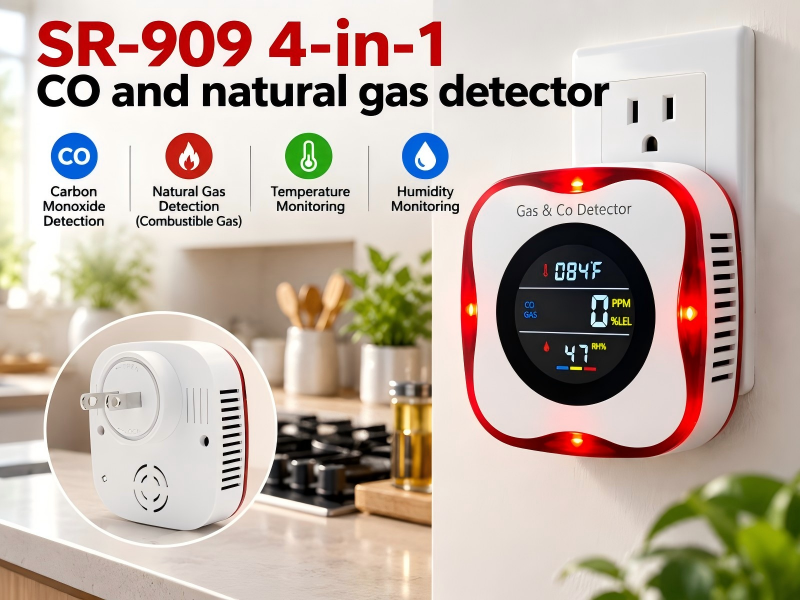
A plug-in CO and natural gas detector is an AC-powered safety alarm that monitors carbon monoxide and methane/natural gas, while providing audible and visual warnings when specified alarm conditions occur. A four-function model may also display ambient temperature and relative humidity. For distributors, importers, and contractors, these features are only the starting point. The SUMRING SR-909 combines gas monitoring, a color digital display, and a direct plug-in housing. This guide explains what its specifications mean, how buyers can evaluate installation suitability, and why verification matters before placing a wholesale order. What Does the SR-909 Actually Monitor? The SR-909 is described as a four-in-one detector with readings for carbon monoxide, natural gas, temperature, and humidity. Its display allows users to view several measurements without switching between separate screens. A plug-in CO and natural gas detector is not necessarily a smoke alarm, an LPG alarm, or an industrial multi-gas instrument. Buyers should match the exact gas type to the site. Natural gas commonly contains methane, whereas LPG applications may require different sensor calibration and positioning. For residential developments, a useful question is whether residents need a simple warning device, a numeric display, or an alarm that interfaces with other building equipment. ......
16
2026-10
How Should B2B Buyers Choose Fire Alarm Products?
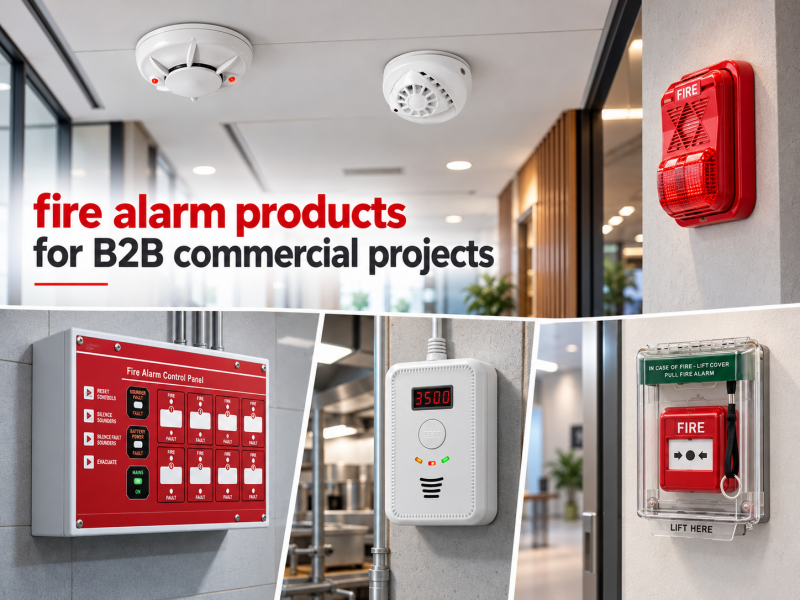
The term fire alarm products refers to the detection devices, control panels, manual activation devices, audible and visual notification equipment, cables, protective enclosures, and maintenance accessories used to support fire detection, alarm communication, and system operation. For distributors, wholesalers, contractors, installers, system integrators, and OEM/ODM buyers, choosing the right equipment requires more than comparing individual product prices. A commercial building may need smoke detectors, heat detectors, manual call points, a fire alarm control panel, sounders, strobes, emergency light,exit light and cables. A warehouse may require beam detectors and high-output notification devices. Outdoor installations may need additional environmental protection. Buying fire alarm products therefore requires three important decisions: What equipment does the project actually need? How should different devices work together? Why do compatibility, certification, installation conditions, and manufacturer capabilities matter? This guide explains the major product categories, technical selection factors, and procurement considerations for international B2B projects. What Products Make Up a Complete Fire Alarm Solution? A complete fire alarm solution is built around several functional layers: detection, control, manual activation, notification, connection, protection, and maintenance. The right fire alarm products should be selected according to each layer’s requirements rather than purchased as independent items. Product Category Primary Function Important......
14
2026-10
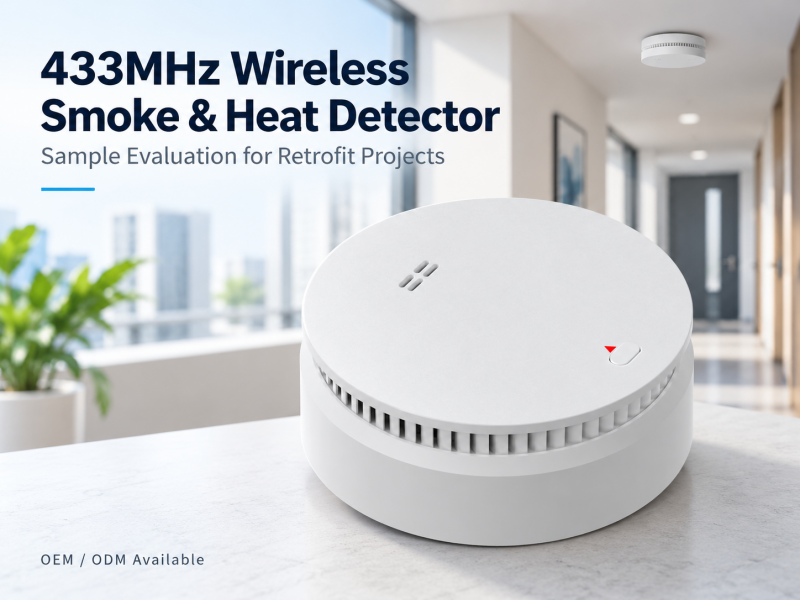
How to Replace a Discontinued 433MHz Smoke and Heat Detector?
A 433MHz smoke and heat detector replacement is the process of selecting and approving a new wireless device for an installed or planned fire alarm application after the original smoke and heat detector is discontinued. It involves more than finding another detector that operates at 433MHz: the receiving equipment, alarm behavior, installation method, documentation, and project requirements must also be checked. For wholesalers, installers, contractors, and trading companies, a discontinued model can affect open quotations, spare-parts commitments, and customers with equipment already installed. This guide provides a practical migration process, using SUMRING’s discontinued SR-820DHR as an example. SUMRING has announced a current wireless 433 smoke and heat option for new inquiries, while advising buyers to verify compatibility before approval. What Should Buyers Record Before Choosing a Replacement? Start with the existing project, not the proposed product. Ask the installer or system integrator for the detector model and revision, receiving host model and firmware, installation drawings, quantities, and the functions the customer expects. Separate the demand into three groups: spare units for an existing installation, detectors for a project already specified but not yet installed, and products for a new OEM sales program. Each group may need a different approval route.......
12
2026-10
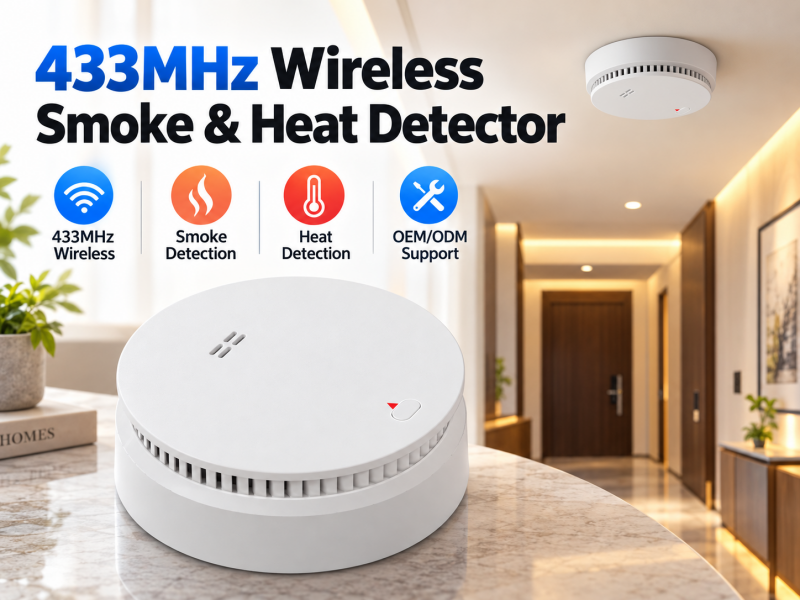
How Should B2B Buyers Evaluate a 433MHz Wireless Smoke & Heat Detector Manufacturer?
A 433MHz Wireless Smoke & Heat Detector is a battery-operated fire alarm device that combines photoelectric smoke sensing, fixed-temperature heat detection, local audible and visual warnings, and a radio-frequency alarm output in a 433MHz configuration. For distributors, installers, contractors, and private-label brands, choosing one requires more than comparing appearance and unit price. Purchase decisions require documented specifications, RF compatibility, compliance evidence, and a production plan—especially when replacing an older model. Which Technical Details Should Buyers Confirm First? The supplied combination photoelectric smoke and heat alarm manual provides a useful starting point. Its specifications describe an optical sensing chamber that detects smoke-related infrared light scattering and a heat sensing element with an alarm temperature of 57°C ± 2.7°C. Specification Manual reference Smoke detection Infrared photoelectric sensing Heat alarm point 57°C ± 2.7°C Wireless output 315MHz or 433MHz variant Power Two 1.5V batteries Sound warning 85dB stated; verify measurement distance Alarm indications Sound and flashing red LED Working temperature -10°C to +55°C Relative humidity Below 95% RH Dimensions Diameter 105 × 43mm Reference detecting area 20m² stated in manual These are manual-reported values, not independent test evidence. Verify the production revision; follow local rules for coverage and mounting. For a 433MHz Wireless......
30
2026-09
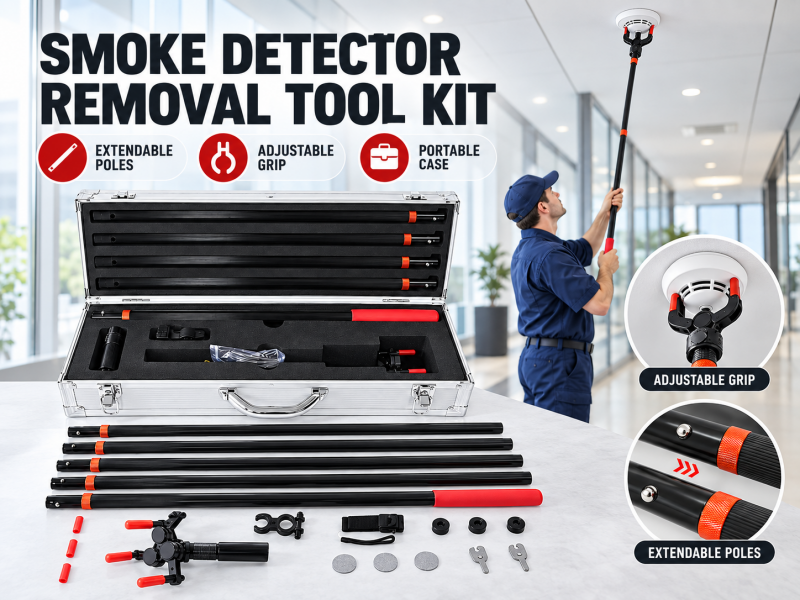
How Should Buyers Choose a Smoke Detector Removal Tool Kit?
A smoke detector removal tool kit is a maintenance accessory set used to grip, rotate, remove, and reinstall compatible ceiling-mounted smoke detectors with an access pole. It supports planned inspection, cleaning, replacement, and commissioning when detectors use a compatible mounting structure and can be safely reached from floor level. For fire alarm contractors, facility maintenance companies, distributors, and OEM buyers, reach is only one consideration. Detector compatibility, grip stability, pole structure, working height, replacement parts, packaging, and sample verification all affect whether the tool can perform reliably in a real project. Why Do Commercial Projects Need a Detector Removal Tool? Smoke detectors are commonly installed on ceilings in offices, hotels, warehouses, schools, hospitals, shopping centers, and industrial facilities. Routine servicing may require technicians to remove multiple detectors across a large building. In suitable locations, a smoke detector removal tool kit can reduce repeated ladder or scaffold setup, shorten routine service time, and reduce disruption to building occupants. It may also help technicians control the detector more steadily when removing it from its base. However, an access-pole tool does not eliminate every working-at-height risk. Stairwells, atriums, obstructed ceilings, unusually high areas, and damaged detectors may still require an approved ladder, platform,......
29
2026-09
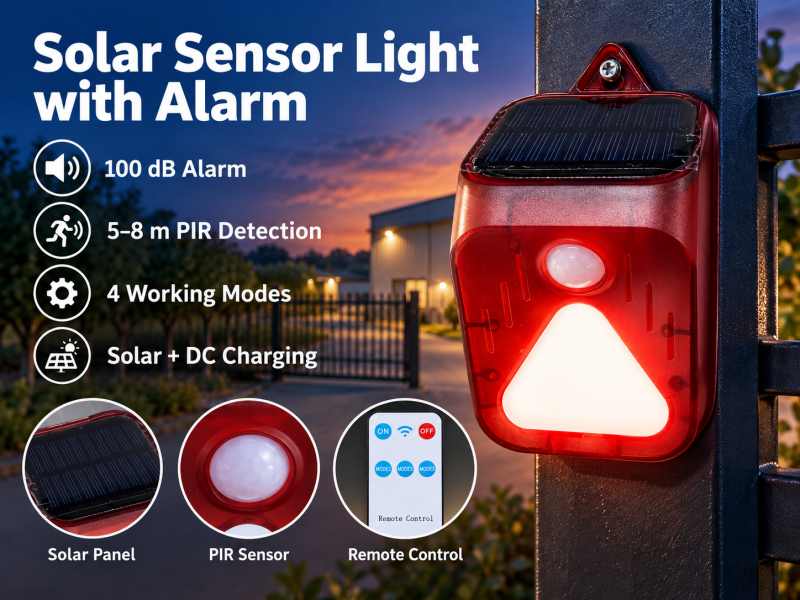
How Should B2B Buyers Choose a Solar Sensor Light with Alarm?
A Solar sensor light with alarm is an outdoor security device that combines solar charging, passive infrared motion detection, a flashing warning light and an audible siren. When the PIR sensor detects movement within its coverage area, the device activates the selected warning mode without requiring permanent mains wiring. For distributors, security installers, agricultural suppliers and private-label buyers, the purchasing decision should not depend only on alarm volume or housing appearance. PIR coverage, charging performance, battery capacity, working modes, mounting position, weather resistance and OEM documentation all affect the product’s performance in a real project. How Does the Solar-Powered Alarm Work? The operating process follows a simple signal path: Sunlight → Solar panel → Rechargeable battery → PIR sensor → Controller → Siren and warning light The 5V, 60mA polycrystalline solar panel charges the internal 3.7V, 1200mAh 18650 lithium battery during daylight. When the product enters its active state, the PIR module monitors the selected area for human movement. Once movement is detected, the Solar sensor light with alarm activates sound, light or both according to the selected operating mode. The supplied information states that the alarm can continue while movement remains within the sensing area and stop approximately 30......
28
2026-09
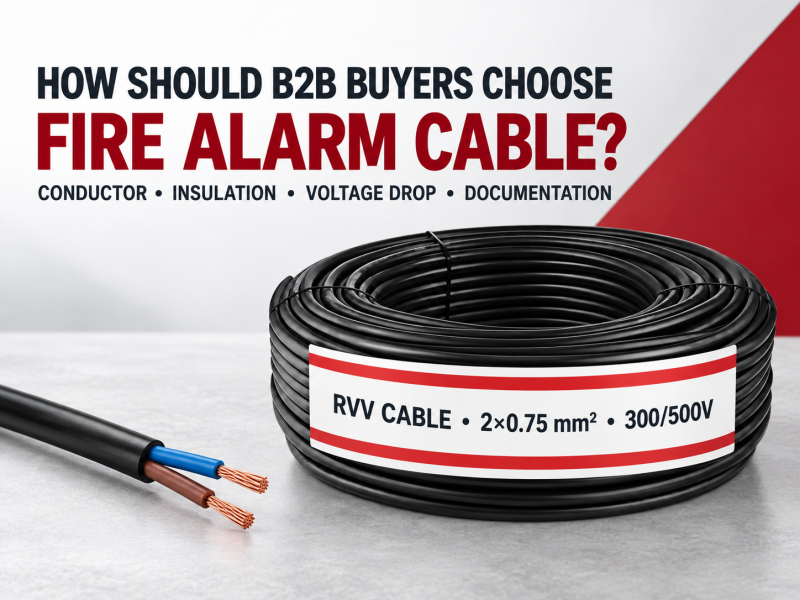
How Should B2B Buyers Choose Fire Alarm Cable?
Fire alarm cable is an insulated conductor assembly used to carry power, alarm signals, control signals, or notification outputs between compatible fire-system components. For B2B buyers, selection requires more than comparing conductor size and price. Voltage drop, insulation, flame performance, installation route, local code, and system approval must be evaluated together. The supplied approval sheet identifies this product as 60227 IEC 53 (RVV) 2×0.75 mm², with two stranded bare-copper conductors, PVC insulation, and a black PVC VW-1 jacket. It references GB/T 5023.5-2008 / IEC 60227-5:2003. This guide explains what B2B buyers should verify before procurement. What Does the 2×0.75 mm² Specification Mean? “2×0.75 mm²” means that the product contains two insulated conductors, each with a nominal cross-sectional area of 0.75 mm². The approval sheet specifies blue and brown cores. Each conductor consists of 24 strands of 0.20 mm bare copper, with a stated bundle diameter of 1.13 mm. Stranded construction can simplify routing and termination in suitable indoor installations. A fire alarm cable intended for continuous movement, outdoor exposure, direct burial, wet locations, plenums, or circuit-survival applications may require a different construction and separate approvals. Key Technical Parameters for B2B Procurement Parameter Specification Parameter Specification Construction 60227 IEC 53 (RVV),......
21
2026-09
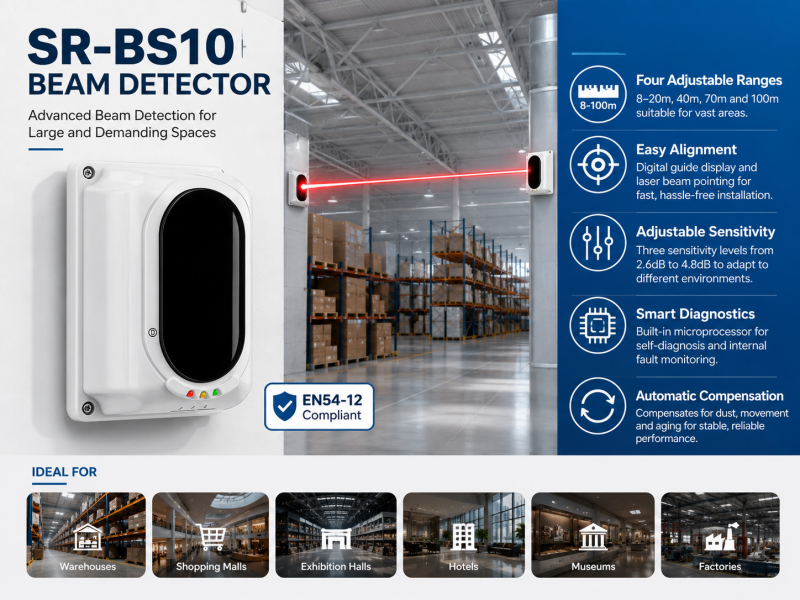
How Should B2B Buyers Choose a Beam Smoke Detector?
A Beam Smoke Detector is a line-type fire detection device that sends an optical or infrared beam across a large open space and monitors how smoke reduces or changes the received light signal. Instead of sampling smoke at only one ceiling point, it supervises a long optical path, making it suitable for warehouses, factories, shopping malls, exhibition halls, hotel atriums, museums, and other high-ceiling buildings. For B2B buyers, the correct detector is not simply the model with the longest range. Selection should match the ceiling geometry, optical path, fire alarm control panel, mounting conditions, certification requirements, commissioning method, and maintenance plan. The SR-BS10 conventional reflective beam detector in the supplied material is a useful example of the points buyers should verify before project approval. Beam detection is only one part of a complete fire protection architecture. B2B buyers planning an integrated project can first review the main components of a building fire alarm system to understand how detection devices, control panels, manual call points, and notification appliances work together. Why Is Beam Detection Suitable for High-Ceiling Spaces? A conventional point smoke detector monitors smoke near one sensing chamber. A Beam Smoke Detector uses a long optical path, so a correctly......
Featured Fire & Gas Safety Products
View More +
SR-A08-PS IP67 Manual Call Point Cover with Sounder Option

SR-A08-P IP67 Manual Call Point Cover Without Sounder
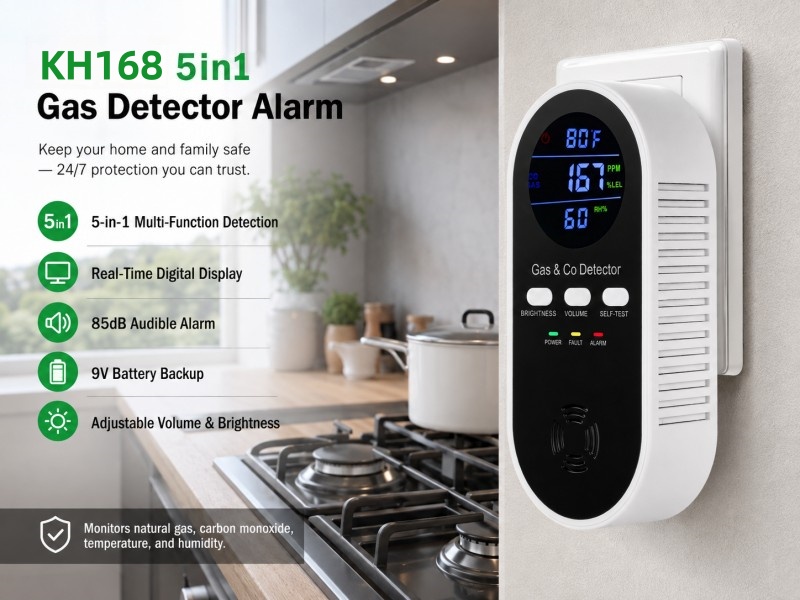
KH168 5 in 1 CO and Gas Detector with 9V Backup
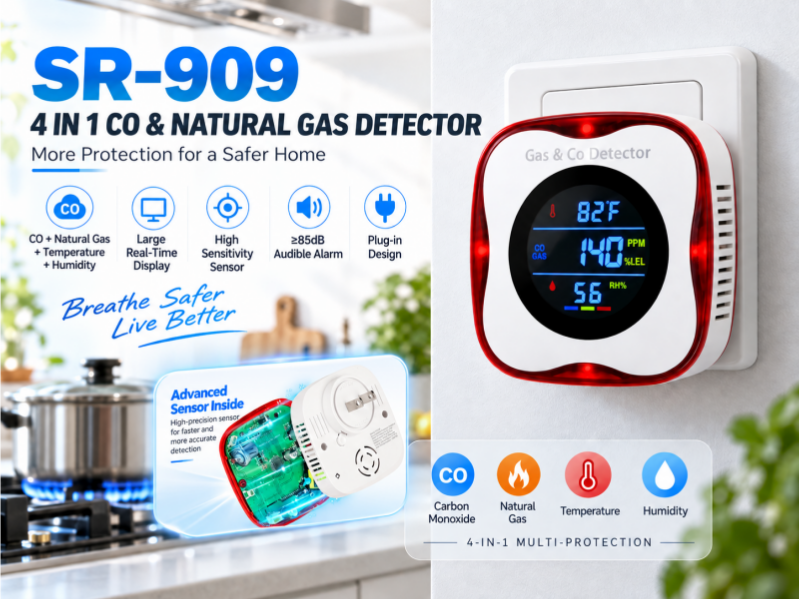
SR-909 4-in-1 Carbon Monoxide & Natural Gas Detector with Large Digital Real-Time Display
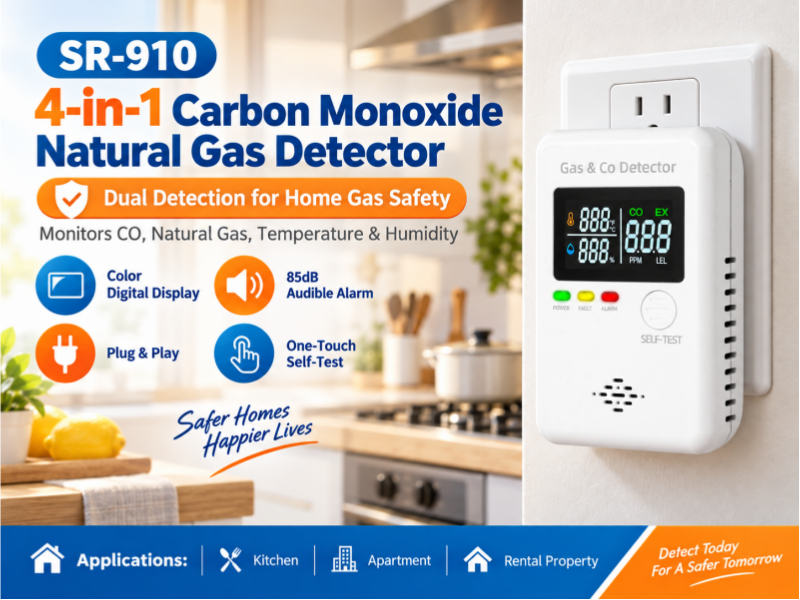
SR-910 CO and Natural Gas Detector with Timed CO Response
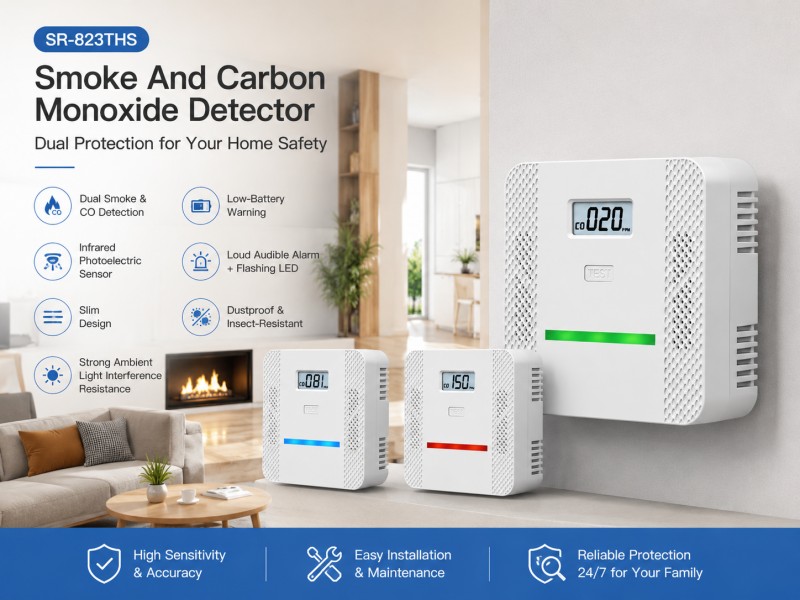
SR-823THS Battery Operated CO and Smoke Detector Fire Alarm Tester
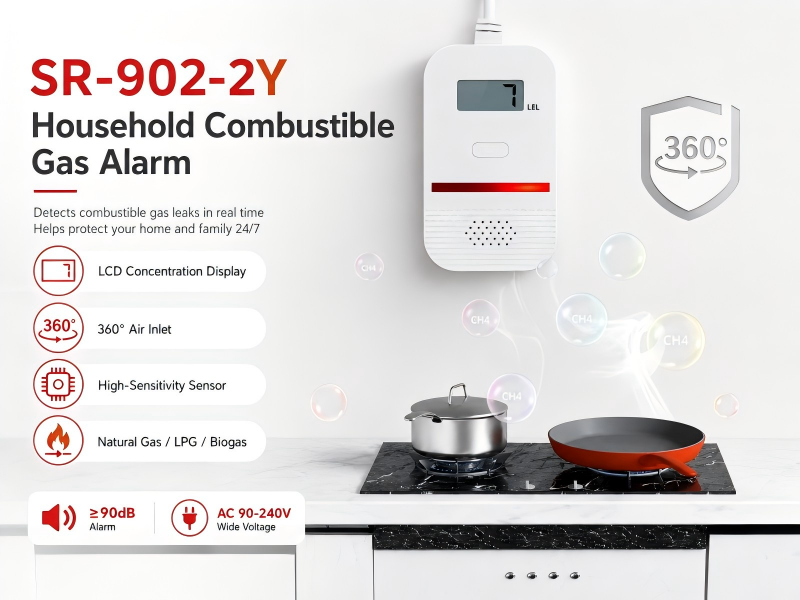
SR-902-2Y Home Safety CH4 LPG Gas Leak Sensor Alarm
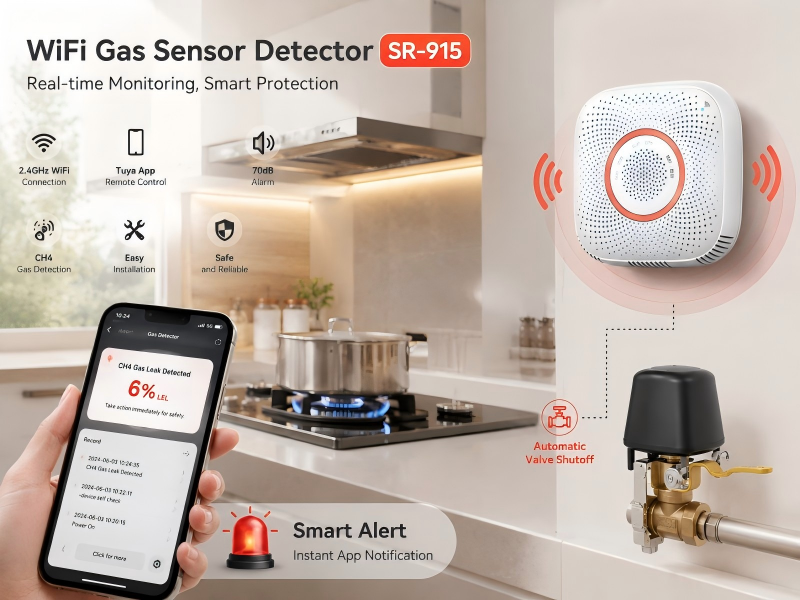
SR-915 WiFi Gas Sensor Detector with Tuya App Alerts
Let's Discuss Your Project
Contact us for suitable solution, and to meet your needs with maximum efficiency!
1. How can I become a SUMRING distributor?
We welcome global partners for fire alarm system distribution.You can apply for:Regional distributor rights,OEM branding cooperation,Project-based supply agreements,Long-term B2B partnership,Contact us to discuss your target market and business plan.
2. Why choose SUMRING fire alarm systems?
Our Key advantages include:Factory-direct fire alarm manufacturer pricing;Fast delivery for urgent engineering projects;Complete fire detection product portfolio;OEM/ODM customization capability;Stable quality control under ISO9001 system;Suitable for global mid-tier fire protection projects.
3. Do you provide technical support for fire alarm systems?
Yes, we provide full technical support including:Fire alarm system installation guidance,Wiring and configuration support,Troubleshooting assistance,Project-based consultation for distributors and contractors.
4. What shipping methods are available for fire alarm products?
We offer global logistics solutions:Sea freight (main export via Shenzhen / Hong Kong ports),Air freight,Express delivery (DHL, FedEx, UPS, TNT),China-Europe Railway Express (for EU markets).