
BLOG
18
2026-06
How Does a Fire Alarm System for Warehouse Improve Safety & Loss Prevention?
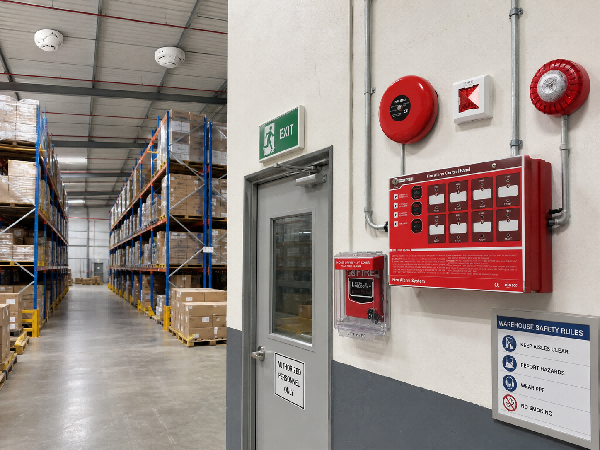
A fire alarm system for warehouse is an integrated fire detection and notification network designed to quickly identify smoke, heat, or flame risks in large storage environments and alert occupants to prevent loss of life and property damage. A modern fire alarm system for warehouse is no longer just a safety requirement—it is a critical infrastructure layer that protects high-value inventory, ensures operational continuity, and reduces catastrophic risk. Warehouses today store everything from raw materials to finished goods, often across thousands of square meters. Without a reliable detection system, even a small ignition source can escalate into massive financial and operational loss within minutes. In industrial environments, fire risks are higher due to electrical equipment, flammable packaging, stacked goods, and continuous logistics movement. This makes a fire alarm system for warehouse essential for early detection and rapid response. It acts as the first line of defense by identifying abnormal conditions such as smoke accumulation, sudden temperature rise, or gas leakage, and immediately triggering alarms and emergency protocols. Modern systems are highly intelligent and can be integrated with sprinklers, ventilation systems, emergency lighting, and even warehouse management platforms. Brands like Shenzhen Sumring technology Co.,Ltd. provide industrial-grade solutions designed specifically for demanding......
18
2026-06
Why Choose IP67 Manual Call Point Cover for School Safety?
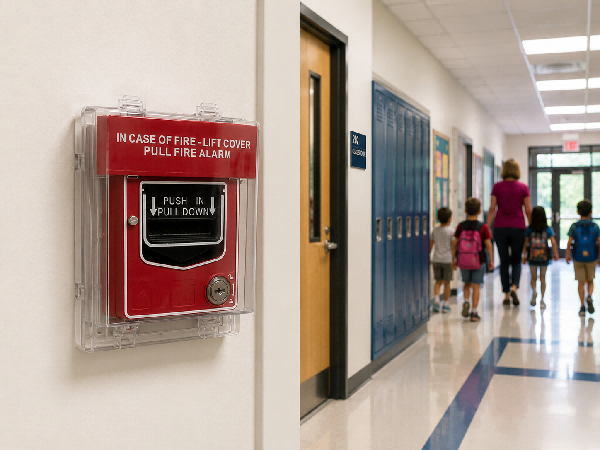
An IP67 manual call point cover for school safety is a protective enclosure designed to shield fire alarm manual call points from dust, water, accidental activation, and vandalism in educational environments. In modern school environments, fire safety is not just a compliance requirement—it is a life-saving system that must remain reliable at all times. However, one of the most commonly overlooked risks in school fire protection systems is the accidental or intentional damage to manual call points. This is where the IP67 manual call point cover for school safety becomes essential. Schools are high-traffic environments with students, teachers, visitors, and maintenance staff constantly moving through corridors, classrooms, and shared spaces. Without protection, fire alarm buttons can be easily pressed accidentally, tampered with, or exposed to dust and moisture. A simple disruption can lead to false alarms, unnecessary evacuations, or even system failure during real emergencies. This is why global fire safety engineers and facility managers increasingly recommend installing IP67 manual call point cover for school safety solutions in all educational buildings. What Makes IP67 Protection Important in Schools? The IP rating system defines how well a product resists solids and liquids. IP67 means: Fully dust-tight protection Protection against temporary immersion......
17
2026-06
What Should You Check Before IP67 Manual Call Point Cover Placement?
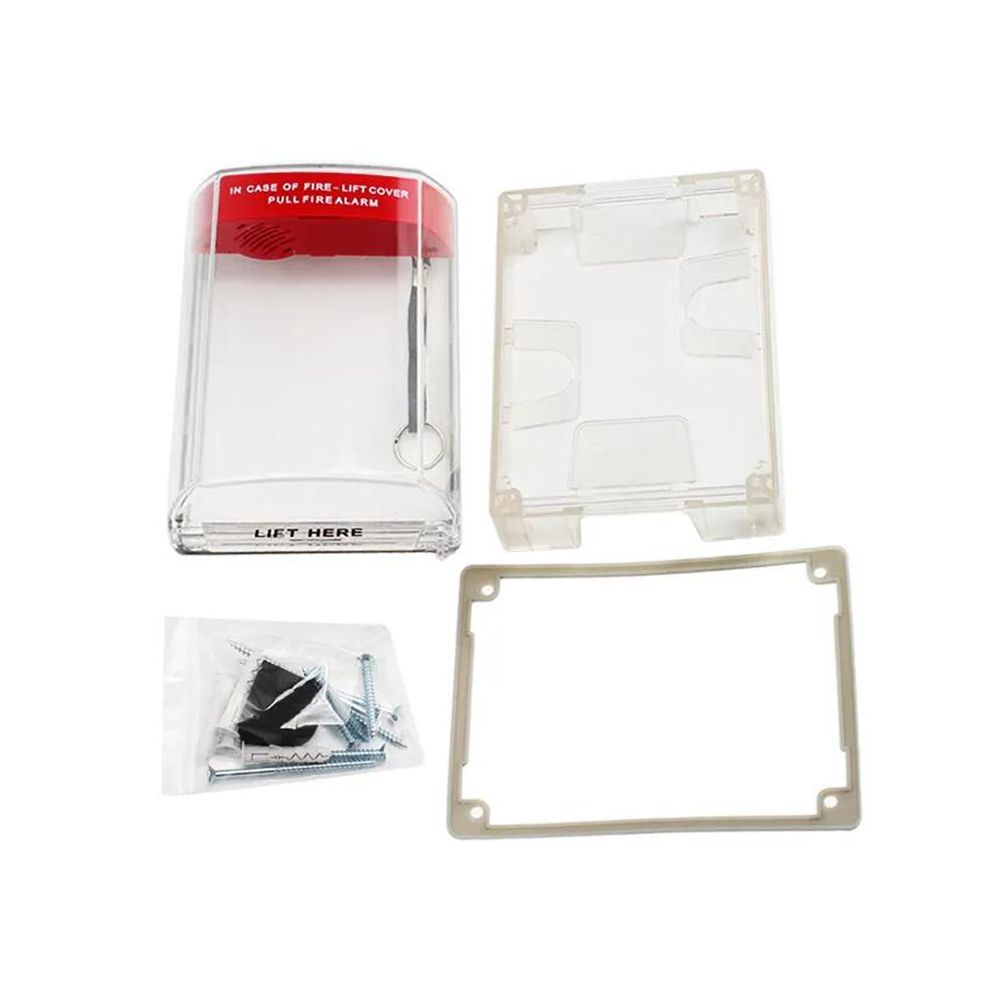
Manual call point cover placement is the process of checking whether a protective enclosure can be positioned around a fire alarm manual call point while maintaining visibility, emergency access, operating clearance, environmental protection and maintenance access. An IP67 protective cover may look simple on a product drawing. On a real project, however, the wall, door, back box, conduit, device depth and surrounding equipment can completely change whether the installation works. That is why this IP67 manual call point cover placement guide focuses on what contractors and project buyers should verify before drilling, installation or bulk ordering. For one alarm point, a placement mistake may mean a few minutes of rework. Across a hotel, warehouse, factory or commercial project with hundreds of devices, the same small mistake can affect installation schedules, labor and product compatibility. Why Check Manual Call Point Cover Placement Before Installation? The protective cover normally does not determine where the fire alarm manual call point should be located. The project fire alarm design and applicable local requirements determine the call point position. The cover is then fitted around that approved position when additional protection is required. Therefore, good manual call point cover placement starts by asking: Is the......
17
2026-06
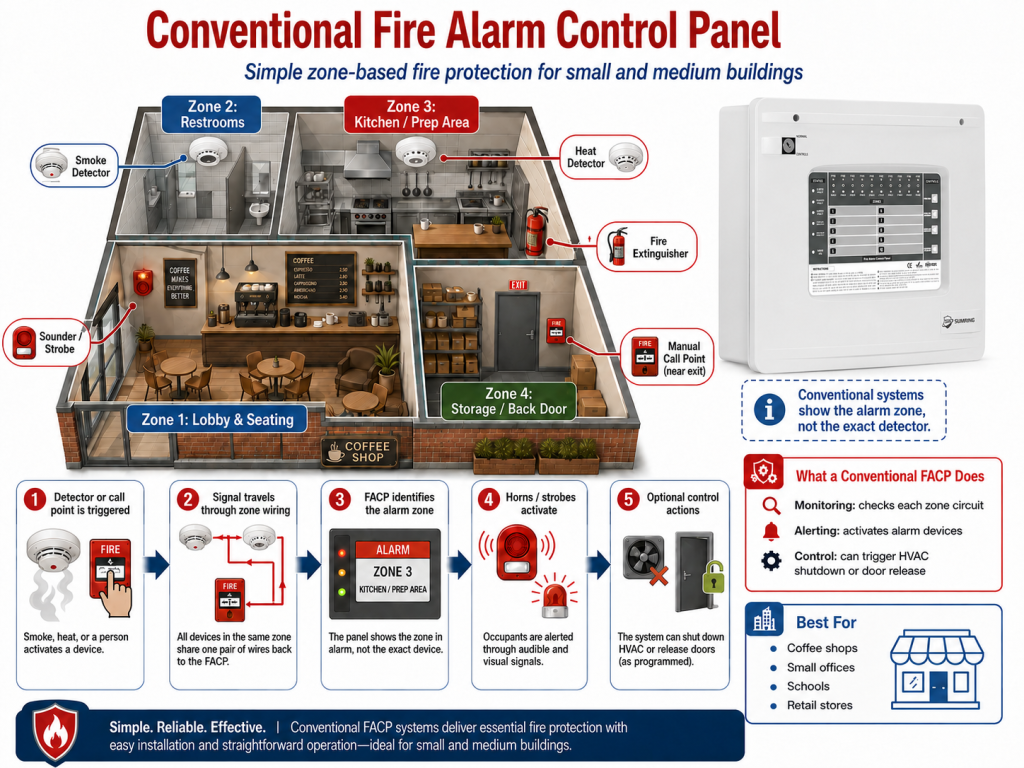
How Does a Commercial Fire Alarm System Work? Complete Guide
A commercial fire alarm system is an integrated safety network that detects fire hazards, processes signals through a control panel, and activates alarms and emergency responses to protect occupants and property. Understanding how fire alarm system works in commercial buildings is essential for building owners, facility managers, and safety engineers. A commercial fire alarm system is not just a siren—it is a coordinated life-safety infrastructure designed to detect threats early, communicate alerts instantly, and support safe evacuation. In modern buildings, fire protection relies on multiple interconnected devices that continuously monitor smoke, heat, gas, and human-triggered alarms. When any abnormal condition is detected, the system activates a structured response chain that ensures rapid reaction and minimizes damage. This article explains the complete process of how fire alarm system works in commercial buildings, including system components, detection logic, control mechanisms, and notification methods. Core Components of a Commercial Fire Alarm System To understand how fire alarm system works in commercial buildings, we must first look at its core components: 1.1 Fire Alarm Control Panel (FACP) The control panel is the “brain” of the system. It: Receives signals from detectors Analyzes alarm conditions Activates notification devices Sends signals to monitoring systems or emergency......
17
2026-06
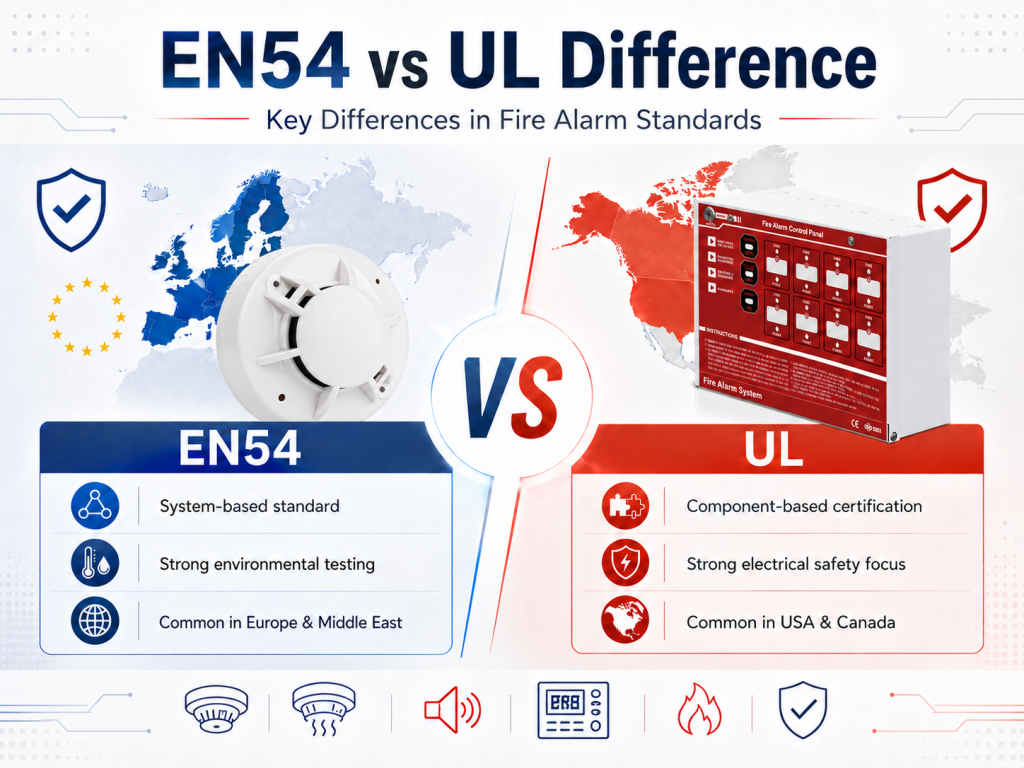
EN54 vs UL Difference: What Fire Alarm Standard Should You Choose?
EN54 vs UL difference refers to the key differences between the European EN54 fire alarm system standard and the North American UL certification system, including certification logic, testing focus, product scope, installation requirements, and global market application. Why EN54 and UL Standards Matter in Fire Alarm Projects? For fire alarm distributors, engineering contractors, system integrators, and B2B buyers, understanding the EN54 vs UL difference is not only a technical topic. It directly affects product selection, project approval, installation compliance, and long-term safety responsibility. A fire alarm product may look similar from the outside, but the certification behind it can be completely different. A smoke detector, fire alarm control panel, heat detector, manual call point, or sounder used in a European project may need EN54 compliance. The same type of product used in the United States may require UL listing or UL certification. This is why international fire alarm buyers should not only compare price, appearance, or basic specifications. They should first confirm which standard the project requires. What Is EN54 in Fire Alarm Systems? EN54 is a European standard series for fire detection and fire alarm systems. It covers different parts of a complete fire alarm system, including control panels,......
16
2026-06
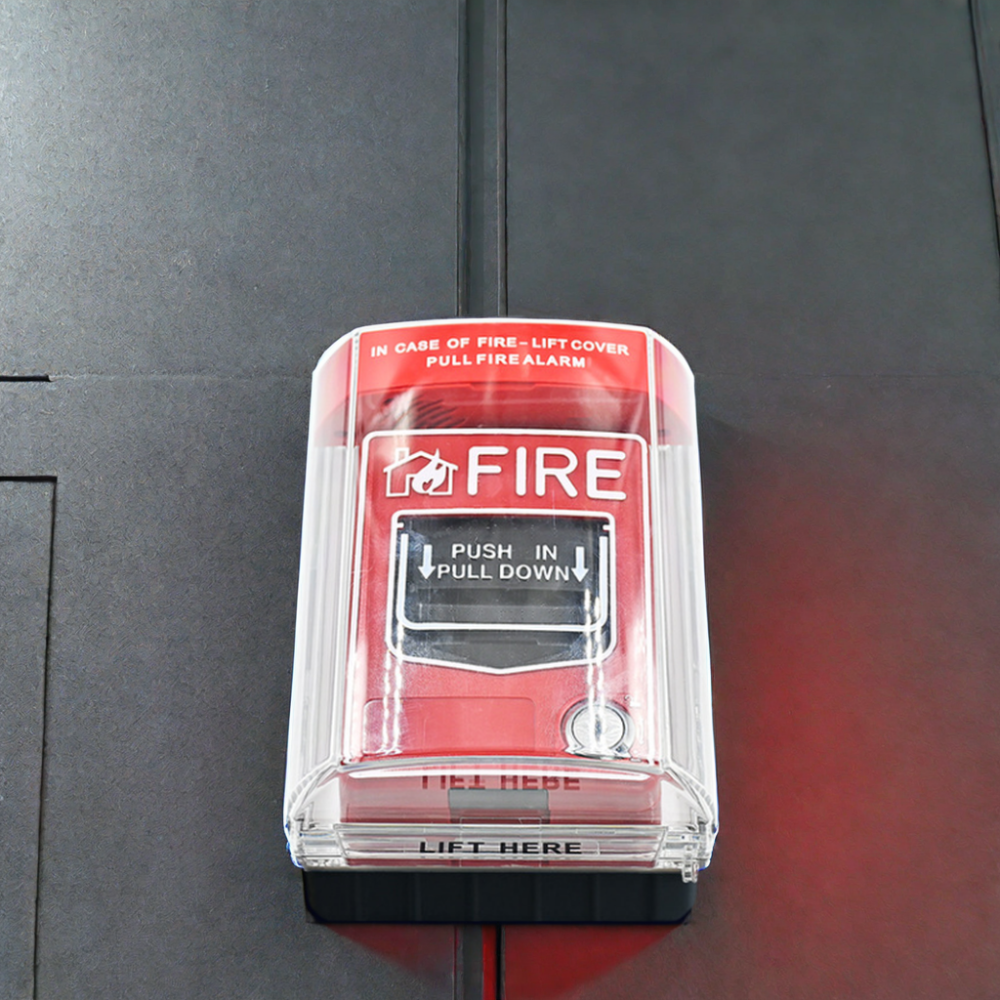
Why Do Commercial Buildings Need Call Point Covers?
16
2026-06
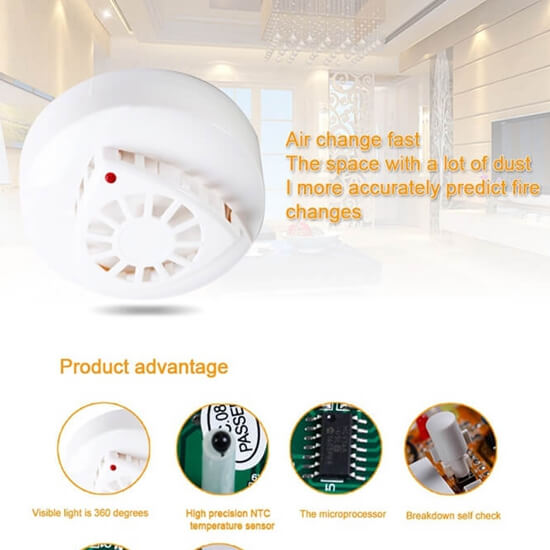
Who Is the Wired Heat Detector Suitable For?
16
2026-06
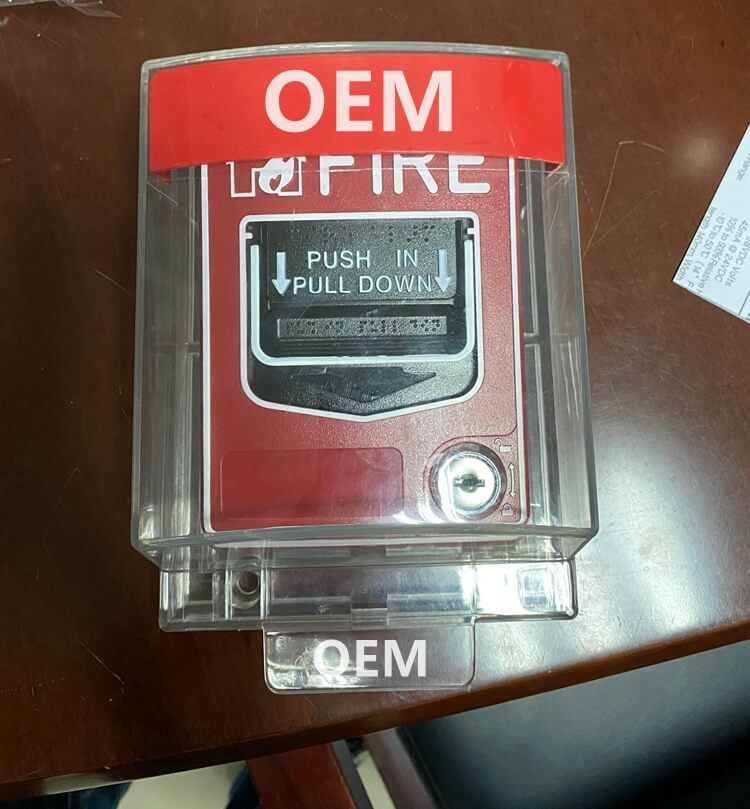
Do Fire Alarm Plastic Covers Really Protect Pull Stations?
fire alarm plastic cover
15
2026-06
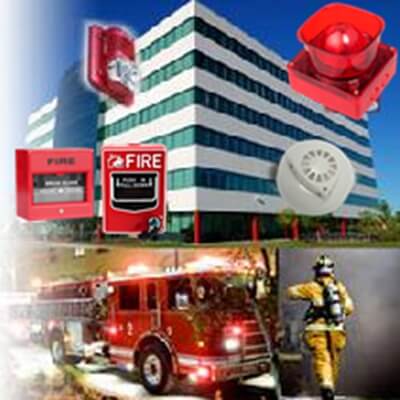
What Are the Main Components of a Building Fire Alarm System?
building fire alarm system
15
2026-06
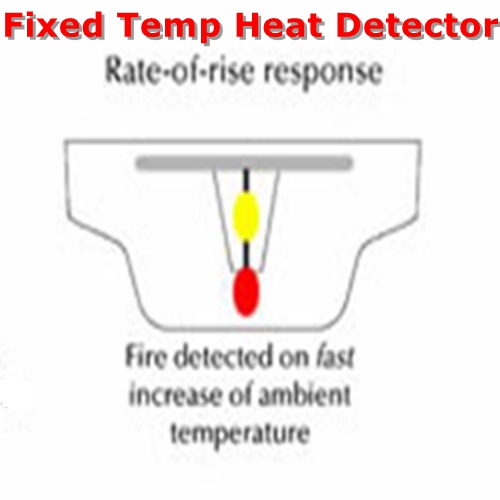
what is the fixed temp heat detector ?
15
2026-06
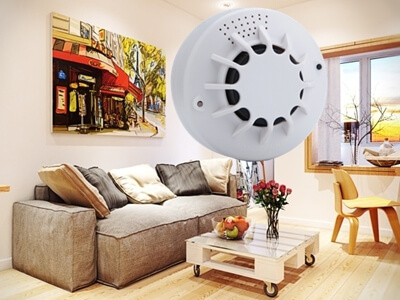
What is stand alone smoke detector?
12
2026-06
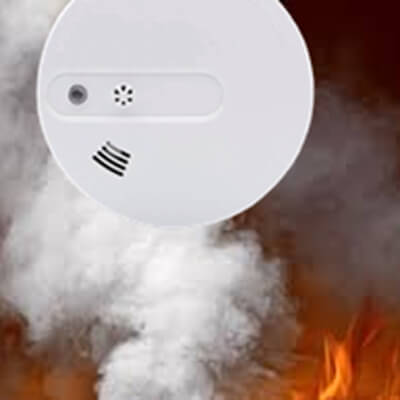
Heat Smoke Alarm: Can Heat Trigger a Smoke Detector?
Let's Discuss Your Project
Contact us for suitable solution, and to meet your needs with maximum efficiency!
1. How can I become a SUMRING distributor?
We welcome global partners for fire alarm system distribution.You can apply for:Regional distributor rights,OEM branding cooperation,Project-based supply agreements,Long-term B2B partnership,Contact us to discuss your target market and business plan.
2. Why choose SUMRING fire alarm systems?
Our Key advantages include:Factory-direct fire alarm manufacturer pricing;Fast delivery for urgent engineering projects;Complete fire detection product portfolio;OEM/ODM customization capability;Stable quality control under ISO9001 system;Suitable for global mid-tier fire protection projects.
3. Do you provide technical support for fire alarm systems?
Yes, we provide full technical support including:Fire alarm system installation guidance,Wiring and configuration support,Troubleshooting assistance,Project-based consultation for distributors and contractors.
4. What shipping methods are available for fire alarm products?
We offer global logistics solutions:Sea freight (main export via Shenzhen / Hong Kong ports),Air freight,Express delivery (DHL, FedEx, UPS, TNT),China-Europe Railway Express (for EU markets).