
BLOG
05
2024-12

How Should B2B Buyers Evaluate a WiFi Smart Door Alarm?
26
2024-11

How Does a Tuya WiFi door sensor Google Home and Smart Life?
20
2024-11

Why Use a Wireless WiFi Door Sensor for Retrofits?
20
2024-10
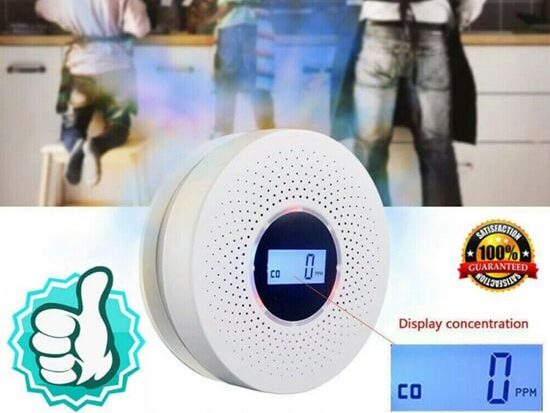
Does Dual-Sensor Mean Smoke and Carbon Monoxide Detection?
15
2024-10

How Can B2B Buyers Verify Smoke and CO Alarm Certification?
25
2024-09
What Are Carbon Monoxide Exposure Signs and First Steps?
15
2024-09
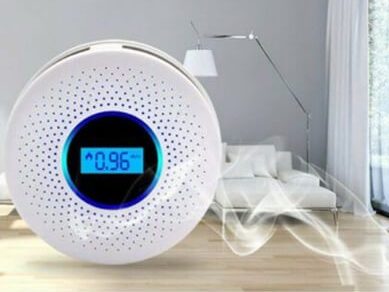
Smoke Alarm vs CO Alarm: What Does Each Detect?
smoke and carbon
05
2024-09

What’s the Best SR-821THS Battery Maintenance Plan?
31
2024-08
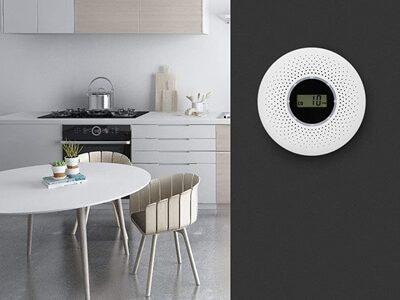
How Are Smoke and CO Combo Alarms Quality-Tested Before Shipment?
The term smoke and CO alarm testing means verifying a combination alarm’s smoke sensor, carbon monoxide sensor, electronics, warning functions, and batch consistency before shipment. Factory screening, laboratory performance evaluation, and certification testing are different activities. For overseas distributors, contractors, and private-label brands, documented checks help reduce quality disputes and costly returns. A convincing supplier audit follows the product from purchased components through functional inspection to shipment release. Why Must Both Sensing Functions Be Verified Separately? A combination alarm contains two different safety functions. A buzzer test cannot demonstrate sensor performance, and passing a smoke test does not prove CO detection. A credible smoke and CO alarm testing plan therefore separates smoke-channel verification, CO-channel verification, shared electronics, and complete-device checks. Buyers should request the approved test plan, applicable acceptance criteria, and records identifying the model and production lot. Which Incoming Materials Should Be Inspected? Incoming checks may cover sensors, circuit boards, battery contacts, sounders, LEDs, housings, and packaging. Each component needs defined acceptance criteria and an appropriate inspection method. Incoming inspection records should identify supplier lots and document any rejected materials. For international purchasing programs, this creates a clearer basis for resolving recurring component problems. In a dual-sensor smoke and......
Featured Fire & Gas Safety Products
View More +
SR-A08-PS IP67 Manual Call Point Cover with Sounder Option

SR-A08-P IP67 Manual Call Point Cover Without Sounder
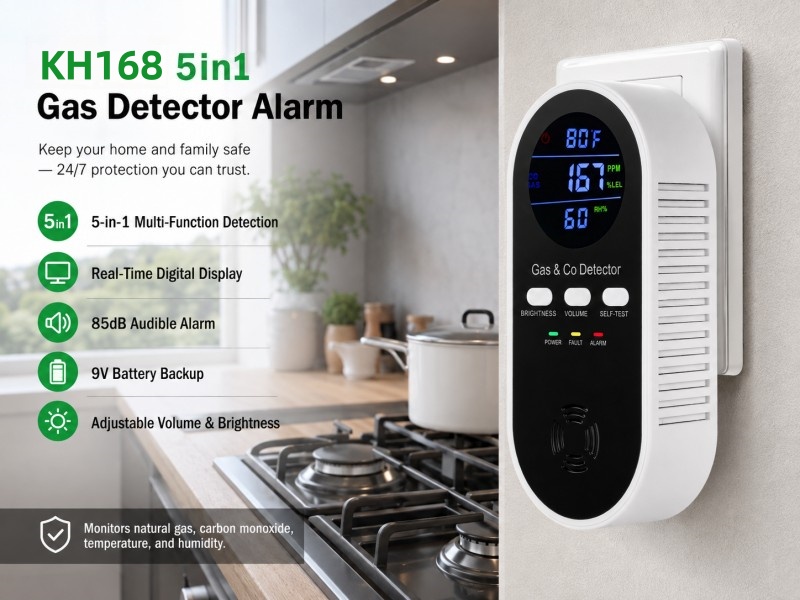
KH168 5 in 1 CO and Gas Detector with 9V Backup
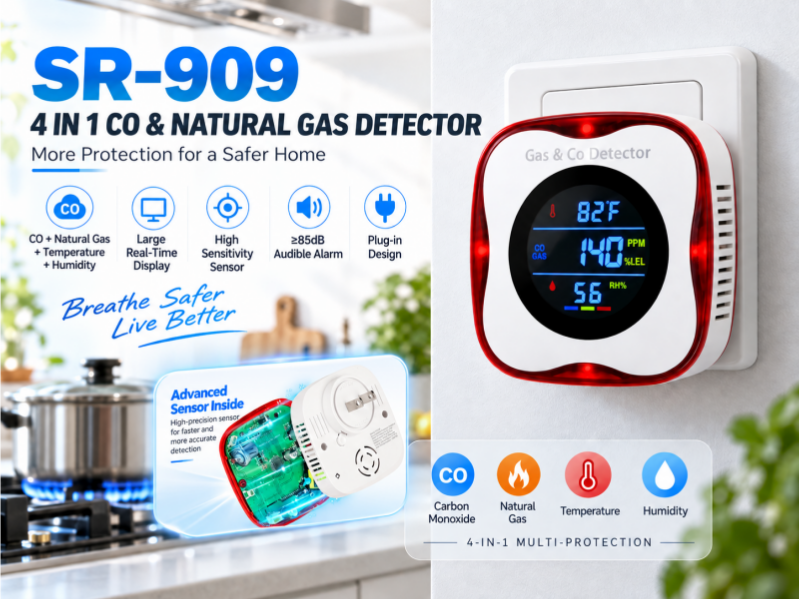
SR-909 4-in-1 Carbon Monoxide & Natural Gas Detector with Large Digital Real-Time Display
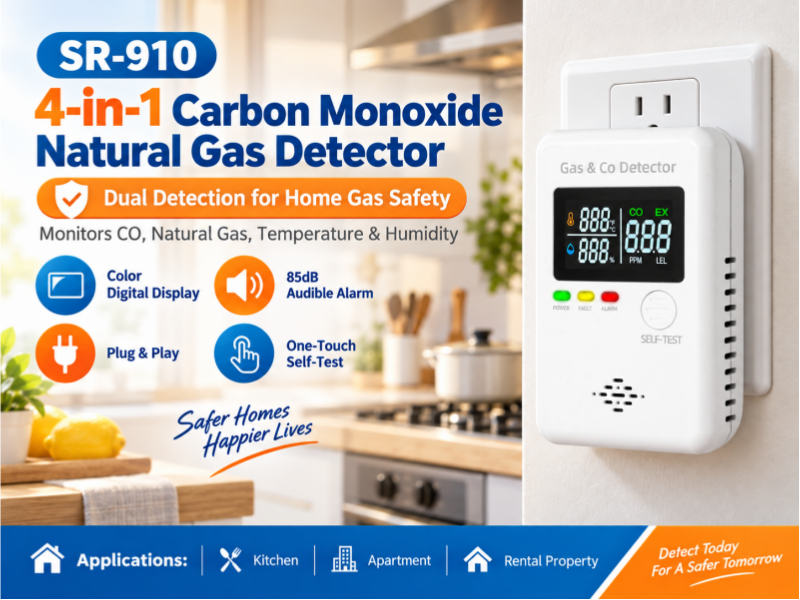
SR-910 CO and Natural Gas Detector with Timed CO Response
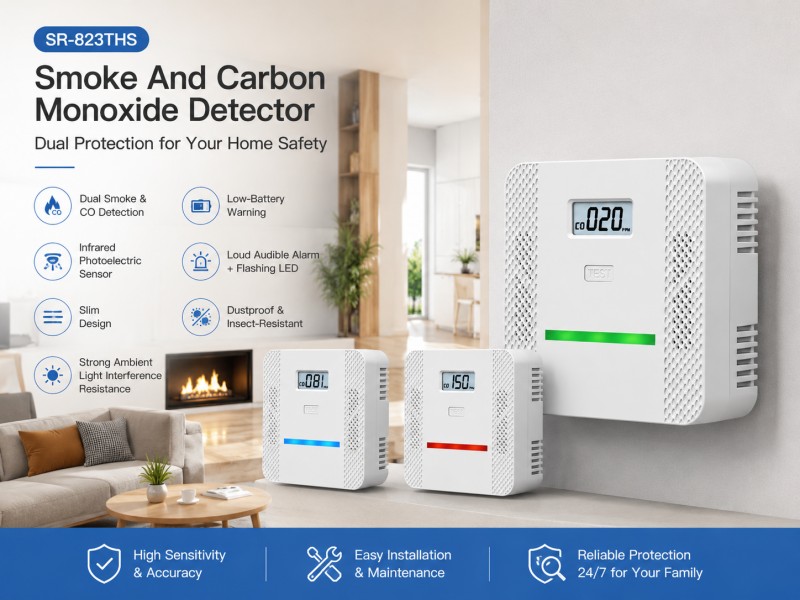
SR-823THS Battery Operated CO and Smoke Detector Fire Alarm Tester
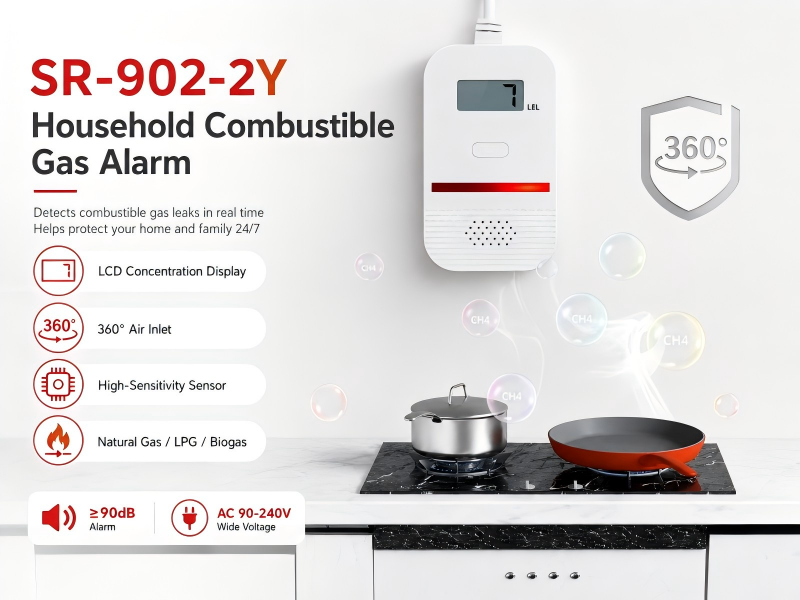
SR-902-2Y Home Safety CH4 LPG Gas Leak Sensor Alarm
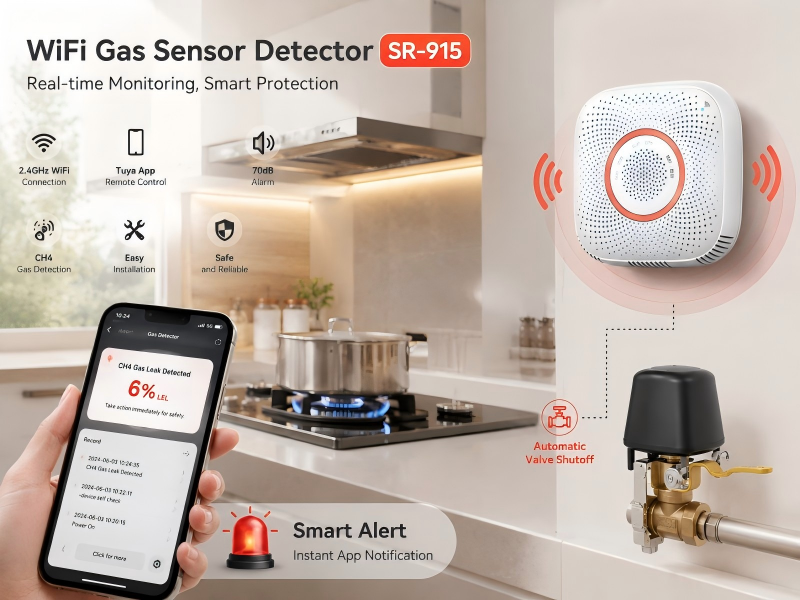
SR-915 WiFi Gas Sensor Detector with Tuya App Alerts
Let's Discuss Your Project
Contact us for suitable solution, and to meet your needs with maximum efficiency!
1. How can I become a SUMRING distributor?
We welcome global partners for fire alarm system distribution.You can apply for:Regional distributor rights,OEM branding cooperation,Project-based supply agreements,Long-term B2B partnership,Contact us to discuss your target market and business plan.
2. Why choose SUMRING fire alarm systems?
Our Key advantages include:Factory-direct fire alarm manufacturer pricing;Fast delivery for urgent engineering projects;Complete fire detection product portfolio;OEM/ODM customization capability;Stable quality control under ISO9001 system;Suitable for global mid-tier fire protection projects.
3. Do you provide technical support for fire alarm systems?
Yes, we provide full technical support including:Fire alarm system installation guidance,Wiring and configuration support,Troubleshooting assistance,Project-based consultation for distributors and contractors.
4. What shipping methods are available for fire alarm products?
We offer global logistics solutions:Sea freight (main export via Shenzhen / Hong Kong ports),Air freight,Express delivery (DHL, FedEx, UPS, TNT),China-Europe Railway Express (for EU markets).