What Are Carbon Monoxide Exposure Signs and First Steps?
The phrase carbon monoxide exposure signs refers to symptoms that may develop after someone breathes carbon monoxide (CO), a colorless, odorless gas produced by fuel-burning equipment. Common warning signs include headache, dizziness, weakness, nausea, chest pain, and confusion. Symptoms cannot confirm a diagnosis, and their absence does not prove safety.
If CO exposure is possible, leave the affected area for outdoor fresh air immediately, contact emergency services from a safe location, and obtain prompt medical evaluation. Do not wait for an alarm or worsening symptoms.
What Are the Common Signs of Carbon Monoxide Exposure?
According to the CDC’s Carbon Monoxide Poisoning Basics, common carbon monoxide exposure signs include:
-
Headache or fatigue.
-
Dizziness or weakness.
-
Nausea or vomiting.
-
Chest pain.
-
Confusion or changes in alertness.
Shortness of breath may also occur. Symptoms differ between people and have no reliable sequence. Serious illness can develop before obvious warnings appear.

Why Are Early Symptoms Often Mistaken for the Flu?
Early carbon monoxide exposure signs can resemble a viral illness, fatigue, or food-related discomfort. One clue is that several people in the same building develop similar symptoms, especially when a heater, furnace, generator, or other fuel-burning appliance is operating. Symptoms without a fever may also raise concern, but this pattern is not diagnostic.
Feeling better outdoors does not establish the cause or replace medical evaluation. Consider whether an exposure source may be present, not whether symptoms match a perfect checklist.
What Should You Do First If Exposure Is Suspected?
When carbon monoxide exposure signs appear or a CO alarm activates, follow these protective steps:
-
Evacuate immediately. Move outdoors into fresh air; do not investigate appliances or collect belongings.
-
Help others leave. Warn occupants as you exit, without delaying your own evacuation.
-
Call emergency services outside. Dial 911 in the United States or your local emergency number.
-
Explain the concern. Mention suspected CO exposure, symptoms, and any possible fuel-burning source.
-
Get medical evaluation. Tell clinicians who was affected and when symptoms began.
-
Stay outside. Tell responders if someone remains indoors; never reenter to attempt a rescue.
-
Wait for clearance. Return only when responders authorize it, and have suspected equipment professionally inspected before reuse.
The CPSC’s carbon monoxide emergency advice prioritizes evacuation over investigation. For equipment alerts, our guide to smoke and CO alarm warning signals explains why an alarm must not be dismissed as a routine maintenance chirp.

Can Symptoms Be Matched to a Specific PPM Reading?
No. It is misleading to assign carbon monoxide exposure signs to a single concentration and describe that number as a universal medical threshold. Parts per million (ppm) describes the CO concentration in air, not the amount absorbed by an individual.
Health effects depend on exposure duration, concentration, underlying conditions, activity, and other factors. A monitor reading cannot diagnose poisoning or establish that a potentially exposed person can safely stay indoors.
Avoid presenting a symptom-to-ppm chart as medical advice.
Who May Be More Vulnerable to Carbon Monoxide?
Anyone can be affected. The CDC identifies infants, older adults, and people with chronic heart disease, anemia, or breathing problems as groups at increased risk. Pregnancy also requires particular medical attention because an exposure can affect both the pregnant person and the developing baby.
These groups may not display the same carbon monoxide exposure signs as other occupants. Sleeping people may not recognize danger. Never judge building safety by one person’s symptoms.
How Is Suspected Carbon Monoxide Poisoning Evaluated?
Clinicians assess exposure history, symptoms, examination findings, and tests. Testing may include measuring carboxyhemoglobin in blood, while treatment decisions depend on the complete clinical picture. An ordinary fingertip pulse oximeter can show misleadingly normal oxygen saturation in CO poisoning.
The CDC’s clinical guidance for healthcare providers also explains why timing and exposure history matter. Do not self-diagnose from an alarm display or ppm chart. If carbon monoxide exposure signs are suspected, seek medical assessment even if the person feels better outdoors.
Can Exposure Occur Without an Alarm Sounding?
Yes. An absent alarm does not rule out exposure. Alarms can be absent, misplaced, poorly maintained, or unsuitable for the setting. CO alarms are essential protective tools, but they are not substitutes for ventilation, servicing, and safe operating practices.
If someone reports carbon monoxide exposure signs and no detector has sounded, evacuation and medical advice still take priority. Do not stay inside to test the alarm or use the absence of a warning as reassurance.
How Can Homes and Buildings Reduce CO Risk?
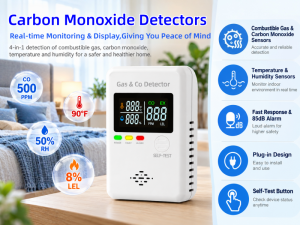
Install suitable CO alarms on every level and outside sleeping areas, following local regulations and the manufacturer’s placement instructions. Test and replace alarms as instructed. Have fuel-burning heating and water-heating systems professionally serviced; never run portable generators, charcoal grills, or vehicle engines in enclosed spaces.
For residential planning, see the smoke and CO combo alarm buying guide. Hotels, apartment operators, and contractors can review commercial smoke and CO alarm project checks alongside local fire and building rules.
Prevention should not depend on occupants recognizing carbon monoxide exposure signs. A layered approach combines functioning alarms, sound building maintenance, occupant instructions, and a clear evacuation plan.
FAQs
1. What are the earliest symptoms of CO exposure?
Headache, dizziness, fatigue, and nausea are common, but there is no guaranteed first symptom. If CO is possible, leave and seek medical advice rather than waiting for symptoms to progress.
2. Can carbon monoxide poisoning feel like the flu?
Yes. Both may cause weakness and discomfort. A cluster of similar symptoms among occupants, especially without fever, raises suspicion but cannot confirm CO poisoning.
3. What should I do if my CO alarm goes off?
Go outdoors immediately, call local emergency services, and stay out until responders authorize reentry. Never delay evacuation to look for the source.
4. Can I have CO poisoning without a headache?
Yes. Symptoms vary, and some people may develop serious effects without noticing familiar early warnings. A missing headache does not make possible exposure safe.
5. Will opening windows make a suspected exposure safe?
Do not rely on open windows as an emergency solution. Leave the building, call responders, and return only after official clearance.
6. Can a normal pulse oximeter rule out CO poisoning?
No. Standard pulse oximetry cannot reliably distinguish oxygenated hemoglobin from carboxyhemoglobin. Clinicians use the exposure history and appropriate medical testing.
7. Do smoke alarms detect carbon monoxide?
Ordinary smoke-only alarms detect smoke, not CO. CO monitoring requires a dedicated CO alarm or a combination model with a separate CO-sensing function.
8. When should someone seek medical help after suspected exposure?
Promptly, after moving to fresh air. Call emergency services, especially when there is confusion, chest pain, breathing difficulty, or a person is unresponsive.
Conclusion
Recognizing carbon monoxide exposure signs matters, but symptoms alone cannot provide early, reliable protection. If exposure is suspected, leave for outdoor fresh air, call emergency services, and seek professional medical evaluation. Maintain fuel-burning equipment, install suitable CO alarms, and ensure occupants know the evacuation plan. Act before anyone becomes seriously ill.