
BLOG
25
2026-03
How Do You Build a Fire Alarm Compliance Matrix for International Projects?
A fire alarm compliance matrix is a structured project document used to verify whether fire alarm products, certifications, system compatibility, technical documents, and approval requirements meet the rules of the final installation market. For international B2B projects, the matrix helps consultants, contractors, distributors, system integrators, and procurement teams identify compliance gaps before tender submission, quotation, or equipment ordering. Instead of asking only whether a product is EN54 or UL certified, project teams can use a fire alarm compliance matrix to connect local regulations with exact product models, certification scope, compatibility documents, site conditions, and approval responsibilities. Why Is a Fire Alarm Compliance Matrix Important? International projects often involve several layers of requirements. A product may meet a recognized standard but still fail project review because the local code, consultant specification, compatibility list, documentation package, or authority approval requires something different. A practical fire alarm compliance matrix helps teams identify the governing code, confirm product certification, check compatibility, define required submittals, assign responsibility, and record gaps before tender submission or procurement. This makes it especially useful for hotels, warehouses, commercial buildings, schools, factories, residential developments, and infrastructure projects across multiple markets. What Should a Fire Alarm Compliance Matrix Include? A useful......
23
2026-03

How to Assess CO Exposure Risk in Boiler Rooms and Garages?
23
2026-03

What Should Facility Managers Do in a CO Alarm Response?
A CO alarm response is a documented procedure that facility managers follow when a carbon monoxide alarm activates in a commercial building. It covers evacuation, occupant accountability, emergency communication, alarm investigation, controlled re-entry, incident documentation, and follow-up safety checks. For hotels, offices, schools, warehouses, apartments, boiler rooms, parking facilities, and other managed properties, a structured CO alarm response helps staff act consistently instead of improvising during an alarm event. A structured CO alarm response is especially important for hotels, apartments, offices, schools, warehouses, parking areas, boiler rooms, restaurants, and facilities using fuel-burning equipment. Why Does a Commercial Building Need a CO Alarm Response Plan? Carbon monoxide cannot be reliably identified by human senses. Therefore, facility teams should not wait for visible signs of a problem before taking action. A commercial CO alarm response plan should clearly define: Who initiates evacuation Who contacts emergency services Who accounts for occupants Who records alarm information Who communicates with technicians Who authorizes building re-entry Who completes the incident report This is particularly important in buildings with boilers, generators, kitchens, vehicle areas, furnaces, water heaters, or other fuel-burning equipment. A written response procedure allows staff to act consistently instead of making decisions during an emergency.......
23
2026-03
How to Verify CO Detection Coverage in Commercial Rooms?
21
2026-03
本-1024x699.png)
Can SR-918DSY Gas Detector Control a Solenoid Valve?
An SR-918DSY gas detector is a dual-gas safety device designed to monitor combustible gas and carbon monoxide while providing LCD, voice and visual alarm functions. For distributors, contractors and OEM buyers, however, selecting an SR-918DSY gas detector involves more than checking its detection range. One important project question is whether the detector can directly control a solenoid valve after a gas alarm. The standard SR-918DSY gas detector does not include electromagnetic valve output. Projects requiring direct valve linkage should evaluate the SR-918DVY or another suitable valve-output configuration instead. Understanding this difference helps B2B buyers avoid incorrect model selection, wiring changes and unnecessary project costs. Why Does Valve Control Matter in a Gas Detection Project? For many commercial and residential projects, detecting a leak is only the first stage of the safety strategy. A detector identifies an abnormal gas condition and provides an audible or visual warning. A gas shutoff device performs a different task: it helps stop the fuel supply after receiving the appropriate control signal. This means project buyers should not ask only: “Does this detector detect combustible gas?” They should also ask: “Does this exact model provide the output required by the specified shutoff valve?” That question becomes......
21
2026-03
How Should Buyers Choose a Commercial Smoke and CO Alarm?
A commercial smoke and CO alarm is a dual-hazard safety device designed to detect smoke from fire and carbon monoxide from incomplete combustion in projects such as apartments, hotels, dormitories, rental properties, offices, and other occupied buildings. For B2B buyers, the choice should consider project risk, target-market requirements, installation, maintenance, product consistency, and supplier support. Carbon monoxide cannot be reliably identified by sight or smell. The CDC lists headache, dizziness, weakness, nausea, vomiting, chest pain, and confusion among common signs of carbon monoxide poisoning. For building operators, however, symptoms should be treated as an emergency warning—not as a detection method. Projects should rely on properly selected alarms, safe fuel-burning equipment, ventilation, maintenance, and a clear response plan. Why Should B2B Buyers Start With Project Risk? Before comparing models, buyers should identify where CO could be produced. Typical risk sources include boilers, furnaces, water heaters, fireplaces, generators, cooking equipment, and attached vehicle areas. A commercial smoke and CO alarm may be useful where both fire-smoke and CO hazards need to be monitored and where a combination device is permitted by the applicable code or project specification. Hotels and residential-style occupancies may value simplified maintenance, while distributors may value one product that......
21
2026-03

How Should B2B Buyers Compare CO Alarm Thresholds and Response Times?
CO alarm thresholds refer to the carbon monoxide concentration points, measured in parts per million (ppm), that are used together with defined response-time windows to determine when an alarm should activate. For B2B buyers, comparing CO alarm thresholds is not simply a question of choosing the lowest ppm number. The correct choice depends on the target standard, product application, test method, sensor design, certification scope, and the response curve required for the destination market. A detector may display CO concentration continuously while using a delayed alarm schedule. This distinction matters for distributors, importers, contractors, private-label brands, and project engineers because two products with similar LCD readings may follow very different alarm logic. Why Do CO Alarm Thresholds Matter in B2B Procurement? In commercial purchasing, CO alarm thresholds affect more than the warning point. They may also influence certification, project approval, product labeling, technical documentation, warranty risk, and after-sales support. A buyer should therefore compare five factors together: Alarm concentration Response-time window Applicable safety standard Sensor and calibration method Evidence that the tested model matches the supplied model A specification such as “alarm at 70 ppm” is incomplete without a response-time requirement. Some standards intentionally use time-based alarm behavior. This allows......
21
2026-03

What Are 7 Proven Ways to Reduce Carbon Monoxide Risk in Commercial Buildings?
20
2026-03
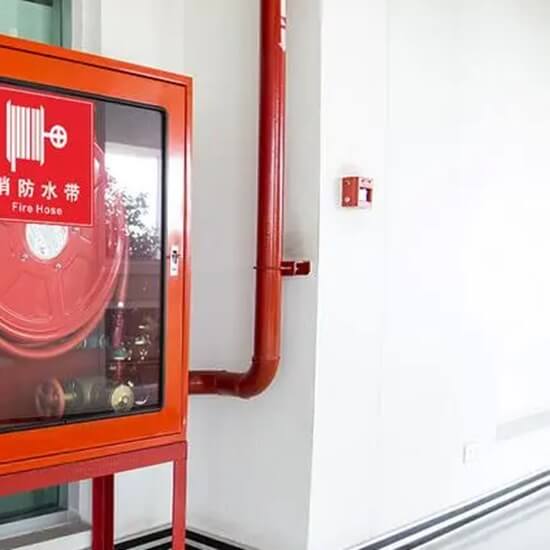
How to Select Fire Alarm Manual Call Points for Projects?
Fire alarm manual call points are manual initiating devices used to trigger a fire alarm when an emergency is identified. For commercial projects, selecting the right model requires more than comparing appearance and price. Contractors, distributors, and system integrators should evaluate system compatibility, electrical contacts, operating method, environmental conditions, project compliance, mounting requirements, and maintenance needs before bulk purchasing. This guide explains how to select the best fire alarm manual call points for commercial projects and how to reduce compatibility risks before sample approval and mass ordering. 1. Check Fire Alarm System Compatibility First, confirm what system the call point will connect to. A conventional fire alarm system normally uses zone circuits. An addressable system uses devices that communicate with a compatible control panel. These system types should not be treated as interchangeable. Before sending an inquiry, confirm: Conventional or addressable system Fire alarm control panel brand and model Zone or loop requirements Required interface or module Existing wiring method For addressable projects, protocol compatibility is especially important. A device may fit mechanically but still be incompatible with the panel. B2B tip: Send the panel datasheet, wiring diagram, or existing call point model before approving a replacement. 2. Confirm Electrical......
30
2025-04
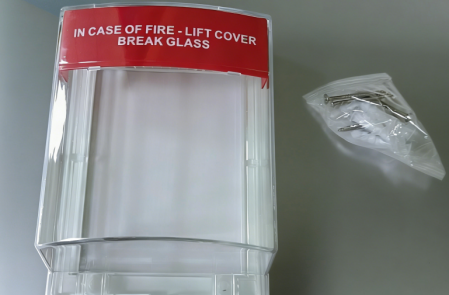
How to Choose the SR-A08-P Outdoor Manual Call Point Cover for Fire Alarm Projects?
The SR-A08-P outdoor manual call point cover is designed for project buyers who need added protection around a wall-mounted manual call point in exposed or high-traffic locations. For distributors, contractors, installers, and fire alarm system integrators, selection should not be based only on appearance or IP rating. Device fit, installation space, cable entry, operating access, environmental exposure, and customization should all be confirmed before a bulk order. This guide focuses on those project decisions so buyers can evaluate the SR-A08-P against a real application rather than relying on a generic product description. 1. Check SR-A08-P Outdoor Manual Call Point Cover Compatibility First The first step is to identify the exact manual call point that will sit inside the cover. Two devices may look similar from the front but differ in depth, back box, hinge position, reset method, or cable entry. Before choosing an SR-A08-P outdoor manual call point cover, record the call point brand and model, overall width and height, installed depth, back-box depth, and the front clearance needed for normal operation and reset. For B2B projects, buyers should ideally provide a front photo, side photo, dimensional drawing, and installation drawing when available. This information helps the supplier evaluate compatibility......
30
2024-12
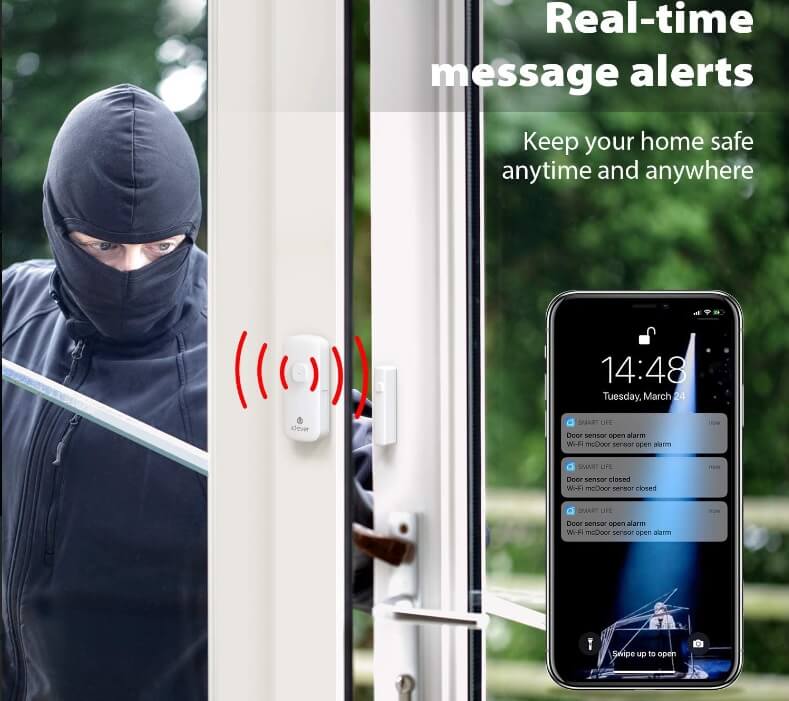
How Can a WiFi Door Contact Alarm Improve Entry Monitoring for Properties?
25
2024-12
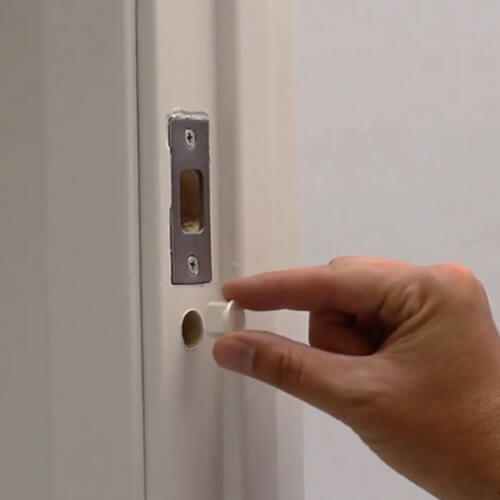
How to Complete WiFi Door and Window Sensor Installation in 7 Steps?
Let's Discuss Your Project
Contact us for suitable solution, and to meet your needs with maximum efficiency!
1. How can I become a SUMRING distributor?
We welcome global partners for fire alarm system distribution.You can apply for:Regional distributor rights,OEM branding cooperation,Project-based supply agreements,Long-term B2B partnership,Contact us to discuss your target market and business plan.
2. Why choose SUMRING fire alarm systems?
Our Key advantages include:Factory-direct fire alarm manufacturer pricing;Fast delivery for urgent engineering projects;Complete fire detection product portfolio;OEM/ODM customization capability;Stable quality control under ISO9001 system;Suitable for global mid-tier fire protection projects.
3. Do you provide technical support for fire alarm systems?
Yes, we provide full technical support including:Fire alarm system installation guidance,Wiring and configuration support,Troubleshooting assistance,Project-based consultation for distributors and contractors.
4. What shipping methods are available for fire alarm products?
We offer global logistics solutions:Sea freight (main export via Shenzhen / Hong Kong ports),Air freight,Express delivery (DHL, FedEx, UPS, TNT),China-Europe Railway Express (for EU markets).