Where Should Fire Alarm Manual Call Points Be Installed?
Fire alarm manual call point installation is the process of placing manual alarm activation devices in visible, accessible, and code-compliant locations so occupants can quickly trigger a fire alarm during an emergency.
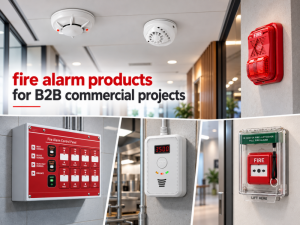
In modern buildings, fire safety is not only about automatic smoke detectors, heat detectors, or control panels. Human action also plays a critical role. In many real fire situations, people may see smoke, flame, burning smell, or abnormal heat before an automatic detector activates the whole system. This is why a fire alarm manual call point is an essential part of a complete fire alarm system.
A correctly installed manual call point allows building occupants to raise the alarm immediately. This faster warning can support earlier evacuation, reduce panic, and help emergency response teams act more efficiently. For public buildings, residential towers, hotels, factories, schools, entertainment venues, and commercial projects, knowing where to install a fire alarm manual call point is a key part of fire alarm system design.
What Is a Fire Alarm Manual Call Point?
A fire alarm manual call point is a manually operated fire alarm device. It is usually installed on walls along escape routes, near exits, beside staircases, or in public access areas. When someone discovers a fire, they can press or activate the device to send an alarm signal to the fire alarm control panel.
The control panel then triggers sounders, strobes, bells, or other notification devices. In addressable systems, the panel can also show the exact device location, helping fire wardens and emergency responders identify where the alarm started.
In simple words, a fire alarm manual call point gives people a direct way to report fire danger before the situation becomes worse.
Why Manual Call Point Location Matters
Good fire alarm manual call point installation is about more than mounting a red box on the wall. The location decides whether people can see it, reach it, and use it quickly under stress.
During an emergency, occupants may be nervous, visibility may be reduced by smoke, and escape routes may become crowded. If the manual call point is hidden, blocked, too far away, or installed in an unsuitable place, it may fail to support fast response.
A well-planned installation should meet four goals:
First, the device must be visible. People should notice the fire alarm manual call point easily while moving toward an exit.
Second, it must be accessible. The device should not be blocked by furniture, doors, decoration, storage goods, or equipment.
Third, it must support evacuation flow. Manual call points are commonly placed near exits, corridors, stairwell entrances, and other routes people naturally use when leaving the building.
Fourth, it must be compatible with the fire alarm system. The selected device should match the fire alarm control panel, wiring method, voltage, and project requirements.
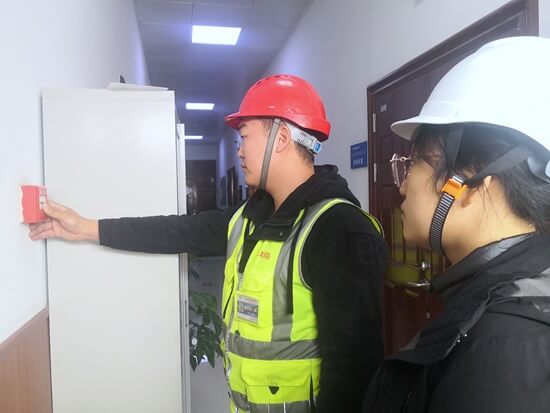
Where to Install Fire Alarm Manual Call Points in Public Buildings
Public buildings usually have higher occupancy, more visitors, and more complex evacuation routes. Therefore, fire alarm manual call point installation should focus on high-traffic areas and clear escape paths.
In high-rise public buildings, manual call points are often installed near main entrances, exit doors, stairwell access points, elevator halls, corridors, and fire evacuation routes. These locations help people activate the alarm while moving toward safety.
For areas with higher fire load, additional planning is required. For example, combustible material warehouses over 50 square meters may need accessible manual alarm points because stored goods can increase fire risk. Business halls larger than 500 square meters also require careful layout because large open spaces may contain many occupants and multiple escape directions.
Shopping centers, office buildings, hospitals, schools, exhibition halls, transport stations, and government buildings should all consider clear manual call point coverage. In these environments, a manual fire alarm call point can help staff, visitors, and security teams react faster when a fire is discovered.
Where to Install Manual Call Points in Residential Buildings
Residential buildings require different planning because occupants may include children, elderly people, visitors, and residents who are asleep during some emergencies. For high-rise and super high-rise residential projects, public-area installation is especially important.
A fire alarm manual call point should commonly be installed in shared corridors, entrance lobbies, stairwell entrances, elevator halls, and other public escape routes. These positions allow residents to trigger the alarm without entering dangerous areas.
In super high-rise residential buildings and high-rise residential buildings above 54 meters, manual alarm devices are often required in public areas as part of the fire alarm system. For residential buildings between 27 and 54 meters, public-area fire alarm coverage is also important, especially where local codes require public fire alarm devices.
The main principle is simple: residents should be able to find and activate the manual call point quickly when they discover smoke or fire in shared areas.
Where to Install Fire Alarm Manual Call Points in Special Buildings
Special-use buildings need even more careful fire alarm manual call point installation because their occupants, activities, or layouts may increase evacuation difficulty.
Entertainment venues such as KTV rooms, cinemas, dance halls, theaters, and performance spaces should have manual call points in accessible public areas, exits, corridors, and staff control points. These places often have dim lighting, high noise levels, and dense crowds, so alarm activation devices must be easy to find.
Kindergarten children’s rooms and school areas also require careful planning. Manual call points should be accessible to staff and positioned along safe evacuation routes. In these environments, fast adult response is critical.
Hotels should install fire alarm manual call points in corridors, stairwells, public halls, reception areas, and service areas. Hotel guests are often unfamiliar with the building, so clear alarm device placement supports safer evacuation.
Sanatorium ward buildings, elderly care buildings, and medical facilities also need strong manual alarm coverage. Occupants may move slowly or require assistance, making early warning even more important.
Large commercial buildings, underground stores, semi-underground spaces, and labor-intensive factories also need reliable manual call point coverage. Factories such as shoemaking, clothing, toy, and electronics plants may contain combustible materials, dense workstations, and complicated layouts. In these sites, a manual call point for fire alarm system helps workers report danger immediately.
Common Installation Areas for Manual Call Points
For most projects, manual call points are commonly installed in the following building areas:
Near final exits and emergency exits, so occupants can activate the alarm while leaving.
At stairwell entrances, especially in high-rise buildings where stairs are the main evacuation route.
Along corridors and escape routes, where occupants naturally pass during evacuation.
Near fire risk areas, such as warehouses, workshops, electrical rooms, kitchens, boiler rooms, and storage areas.
In public halls, lobbies, reception areas, and security control points, where staff or visitors can respond quickly.
In underground or semi-underground areas, where smoke movement and evacuation can be more challenging.
The best layout should be designed according to building type, fire risk, occupancy, local fire codes, and the overall fire alarm system structure.
How to Choose the Right Fire Alarm Manual Call Point
After confirming the installation location, the next step is choosing the right device. A reliable fire alarm manual call point should be durable, easy to operate, and compatible with the fire alarm system.
For commercial and public projects, buyers should consider the following factors:
Visibility: The device should have a clear red housing and recognizable fire alarm marking.
Durability: The material should withstand long-term use in public or industrial environments.
Operation type: Some projects use resettable manual call points, while others use break-glass or pull-station types.
System compatibility: The device must match conventional or addressable fire alarm systems.
Installation convenience: Contractors prefer devices that are easy to mount, wire, test, and maintain.
Compliance: The product should support project safety requirements and local fire standards.
For distributors, contractors, and project buyers, product consistency is also important. Stable quality reduces installation issues and after-sales problems.
Why Fire Alarm Manual Call Point Installation Supports Better Safety
A fire alarm system is only effective when every part works together. Smoke detectors, heat detectors, control panels, sounders, strobes, and fire alarm manual call points all contribute to faster warning and safer evacuation.
Manual call points add a human decision layer to the system. When someone sees danger, they do not need to wait for smoke density, temperature rise, or automatic detector response. They can activate the alarm immediately.
This makes manual call points especially valuable in large buildings, high-risk areas, crowded spaces, and complex evacuation environments.
FAQ:
1. What is fire alarm manual call point installation?
Fire alarm manual call point installation is the process of placing manual fire alarm activation devices in visible, accessible, and code-compliant locations. These devices allow occupants to quickly trigger the fire alarm when they discover smoke, flame, abnormal heat, or other fire danger.
2. Why is a fire alarm manual call point important?
A fire alarm manual call point gives people a direct way to report fire danger before an automatic detector responds. When someone sees a fire risk, they can activate the alarm immediately, helping support faster evacuation, earlier emergency response, and better building safety management.
3. Where should fire alarm manual call points be installed?
Manual call points are commonly installed near final exits, emergency exits, stairwell entrances, corridors, escape routes, lobbies, reception areas, public halls, and high-risk areas such as warehouses, kitchens, boiler rooms, workshops, electrical rooms, and storage spaces.
4. Why does manual call point location matter?
Location matters because the device must be easy to see, easy to reach, and easy to use during an emergency. If a manual call point is hidden, blocked, too far away, or installed in the wrong place, occupants may not be able to activate the alarm quickly when every second matters.
5. Where should manual call points be installed in public buildings?
In public buildings, manual call points should be placed along high-traffic areas and clear escape paths, such as main entrances, exit doors, stairwell access points, elevator halls, corridors, and evacuation routes. Shopping centers, hospitals, schools, offices, exhibition halls, transport stations, and government buildings all need careful manual call point layout.
6. Where should manual call points be installed in residential buildings?
In residential buildings, manual call points are usually installed in shared corridors, entrance lobbies, stairwell entrances, elevator halls, and public escape routes. High-rise and super high-rise residential buildings especially need clear public-area alarm coverage so residents can quickly report fire danger.
7. What should buyers consider when choosing a fire alarm manual call point?
Buyers should consider visibility, durability, operation type, system compatibility, installation convenience, and compliance with project requirements. A reliable fire alarm manual call point should have a clear red housing, easy operation, stable quality, and compatibility with conventional or addressable fire alarm systems.
8. How does proper manual call point installation improve fire safety?
Proper fire alarm manual call point installation improves fire safety by allowing occupants to activate the alarm quickly when they discover danger. It adds a human-response layer to the fire alarm system and works together with smoke detectors, heat detectors, control panels, sounders, and strobes to support safer evacuation.
Buying Advice for Contractors and Distributors
For public buildings, residential towers, hotels, factories, schools, hospitals, and entertainment venues, proper fire alarm manual call point installation is a practical investment in life safety. The right layout improves alarm speed, evacuation efficiency, and system reliability.
When selecting products, do not only compare price. Look for stable quality, clear appearance, durable housing, easy installation, and strong compatibility with fire alarm systems.
If you are sourcing manual call points, fire alarm pull stations, or complete fire alarm system accessories for your project or distribution business, Sumring can help you build a safer and more reliable solution. Choose Sumring fire alarm manual call points to support professional installation, stronger project value, and better protection for the people your buildings serve.