Why Is a Commercial Fire Alarm System Essential for Buildings?
A commercial fire alarm system is a building safety solution designed to detect fire risks, alert occupants, identify alarm locations, and support faster emergency response in commercial environments.
Fire safety is no longer only a legal requirement. For modern buildings, it is a core part of operational security, risk control, and long-term business continuity. A commercial fire alarm system helps detect smoke, heat, flame, or abnormal fire conditions at an early stage, giving people more time to evacuate and giving responders more accurate information before a small incident becomes a serious disaster.
In offices, warehouses, hotels, shopping centers, substations, schools, factories, data rooms, and control rooms, fire risks can develop quickly. Electrical faults, overheated equipment, combustible materials, poor maintenance, and human error may all create dangerous situations. Without a reliable fire alarm system, building managers may not know there is a problem until smoke spreads, equipment is damaged, or occupants are already at risk.
That is why a commercial fire alarm system is essential for modern buildings. It provides early warning, supports safer evacuation, protects valuable assets, and helps businesses meet fire safety compliance requirements.
Why Early Fire Detection Matters
The most important purpose of a commercial fire alarm system is early detection. In a fire emergency, every second matters. A few minutes of warning can help occupants leave safely, allow trained staff to respond faster, and reduce the possibility of major property loss.
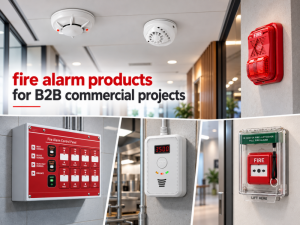
Modern fire detection systems use devices such as smoke detectors, heat detectors, manual call points, flame detectors, sounders, strobes, and control panels. These devices work together to monitor different areas of a building. When smoke, heat, or another fire signal is detected, the system sends information to the fire alarm control panel, which then activates alarms and shows the location of the problem.
This process helps building managers move from guessing to action. Instead of searching blindly for the source of danger, they can quickly identify the alarm zone or exact device. In high-risk commercial environments, this accuracy can make emergency response faster and more effective.
How a Commercial Fire Alarm System Protects People
People are always the highest priority in fire safety. A commercial fire alarm system gives occupants clear warnings through sound and visual signals. This is especially important in large buildings, noisy workplaces, warehouses, hotels, and public facilities where people may not immediately notice smoke or danger.
A reliable alarm helps guide people to act quickly. Employees can follow evacuation procedures, visitors can leave before conditions worsen, and safety teams can begin emergency protocols. For buildings with multiple floors, complex layouts, or high occupancy, early warning is critical.
Visual alarms are also important for accessibility. Flashing strobes can help people in loud environments or those with hearing difficulties notice the emergency. When sounders, strobes, detectors, and manual call points are correctly installed, the entire fire safety system becomes more effective and inclusive.

Why Businesses Need Fire Alarm Systems for Compliance
For commercial properties, fire protection is closely connected to regulations, inspections, insurance, and project approval. A commercial fire alarm system helps buildings meet fire safety codes and local compliance requirements.
Business owners, contractors, facility managers, and engineering teams must consider fire alarm design during new construction, renovation, or system upgrades. The system should match the building type, risk level, occupancy, and emergency response requirements.
Compliance is not just about passing inspection. It is about making sure the fire alarm system can perform correctly in a real emergency. Poor system design, incorrect device placement, weak wiring, outdated panels, or lack of maintenance may create serious safety gaps.
A properly selected and maintained commercial fire alarm system supports safer operation, easier inspection, and stronger long-term risk management.
Addressable Fire Alarm Systems Improve Response Accuracy
One major advantage of modern fire detection technology is addressable control. An addressable fire alarm system can identify the exact detector, manual call point, or module that sends an alarm signal. This is different from traditional zone-based systems that may only show a general area.
For commercial buildings, addressable technology provides clear value. If a detector activates in a warehouse, office floor, electrical room, or hotel corridor, the control panel can display the specific location. This helps security staff, facility managers, and emergency responders find the danger faster.
A faster response can reduce confusion, shorten investigation time, and support better decision-making. In large or complex buildings, this is one reason many buyers prefer addressable solutions when choosing a commercial fire alarm system.
Protecting Assets and Reducing Business Loss
A fire emergency can cause more than physical damage. It can stop production, interrupt services, destroy inventory, damage equipment, affect customer trust, and create expensive downtime. For businesses, fire safety is directly linked to financial protection.
A commercial fire alarm system helps reduce these risks by detecting danger early and supporting faster response. In warehouses, it helps protect stock and storage areas. In offices, it protects staff, documents, IT equipment, and daily operations. In hotels and public buildings, it protects guests, brand reputation, and legal responsibility. In substations or control rooms, it helps protect high-value equipment and critical infrastructure.
The cost of installing or upgrading a fire alarm system is often far lower than the cost of fire damage, business interruption, insurance claims, and operational shutdown. For this reason, fire alarm investment should be viewed as a long-term business protection strategy.
Key Components of a Commercial Fire Alarm System
A complete commercial fire alarm system usually includes several important parts. The fire alarm control panel is the center of the system. It receives signals from detection devices, processes alarm information, and activates warning devices.
Smoke detectors identify smoke particles in the air. Heat detectors respond to rising temperatures or fixed high-temperature conditions. Manual call points allow people to trigger an alarm when they notice a fire. Sounders and strobes provide audible and visual warnings. Input and output modules may connect with elevators, ventilation systems, fire doors, gas shut-off valves, or other building systems.
When these parts work together, the fire detection system becomes more than a simple alarm. It becomes an integrated safety network that helps detect, alert, guide, and respond.
Why Maintenance Is Essential
Even the best commercial fire alarm system needs regular maintenance. Dust, aging components, wiring problems, environmental conditions, and damaged devices can affect system performance. Regular inspection and testing help confirm that detectors, panels, sounders, strobes, backup power, and communication functions are working correctly.
Maintenance also helps reduce false alarms. False alarms can interrupt business operations and reduce trust in the system. When a system is tested and maintained properly, alarms become more reliable, and building users are more likely to respond seriously.
For commercial properties, a maintenance plan should be part of the overall fire safety system strategy. A system that is installed but ignored may not provide the expected protection during an emergency.
How to Choose the Right Commercial Fire Alarm System
Choosing the right commercial fire alarm system depends on the building size, risk level, layout, occupancy, and required functions. Small commercial sites may need a simple but reliable solution. Large facilities may require addressable control, networked panels, multiple zones, linkage control, and advanced monitoring.
Buyers should consider detection accuracy, alarm response speed, device compatibility, installation flexibility, maintenance support, and system expandability. For B2B projects, product quality, certification, OEM support, technical service, and stable supply are also important.
A good fire alarm solution should not only meet today’s needs but also support future upgrades. As buildings become smarter and more connected, fire alarm systems must integrate better with security, building management, emergency lighting, access control, and remote monitoring platforms.
Commercial Fire Alarm Systems Support Smarter Buildings
Modern buildings are becoming more intelligent. Facility managers want systems that provide real-time status, clear fault information, easier maintenance, and better control. A commercial fire alarm system plays an important role in this trend.
Smart fire alarm solutions can help improve visibility across the building. They allow managers to monitor system health, identify problems quickly, and respond with better information. This is especially valuable for facilities with multiple floors, multiple buildings, or high-value assets.
As demand grows for safer and more connected buildings, the role of the commercial fire alarm system will continue to expand. It is no longer only a warning device. It is part of a complete building safety and risk management strategy.
A Fire Alarm System Is an Investment in Safety
A commercial fire alarm system is essential because it protects people, supports compliance, reduces response time, protects assets, and strengthens business continuity. For modern buildings, fire safety cannot depend on luck or delayed reaction. Early detection and clear warning are critical.
Whether you are planning a new commercial project, upgrading an old system, or sourcing fire safety products for distribution, choosing the right fire alarm system matters. A reliable solution helps create a safer environment for occupants and a more secure future for the business.
For building owners, contractors, engineers, and B2B buyers, investing in a high-quality commercial fire alarm system is not only a safety decision. It is a responsible business decision.
FAQ:
1. What is a commercial fire alarm system?
A commercial fire alarm system is a building safety solution designed to detect fire risks, alert occupants, identify alarm locations, and support faster emergency response in commercial environments. It is widely used in offices, warehouses, hotels, shopping centers, schools, factories, substations, data rooms, and public facilities.
2. Why is a commercial fire alarm system important?
A commercial fire alarm system is important because it provides early warning when smoke, heat, flame, or abnormal fire conditions appear. Early detection gives occupants more time to evacuate, helps safety teams respond faster, and reduces the risk of property damage, business interruption, and serious safety incidents.
3. What are the main components of a commercial fire alarm system?
A complete commercial fire alarm system usually includes a fire alarm control panel, smoke detectors, heat detectors, manual call points, sounders, strobes, input modules, output modules, relays, backup power, and other emergency linkage devices. These components work together to detect danger, activate alarms, and support emergency response.
4. How does a commercial fire alarm system protect people?
A commercial fire alarm system protects people by giving clear audible and visual warnings during a fire emergency. Sounders alert occupants through sound, while strobes provide visual signals for noisy areas or people with hearing difficulties. This helps employees, visitors, guests, and safety teams act quickly and evacuate safely.
5. Why do businesses need fire alarm systems for compliance?
Commercial buildings often need fire alarm systems to meet local fire safety codes, inspection requirements, insurance expectations, and project approval standards. A properly designed and maintained commercial fire alarm system supports safer operation, easier inspection, and stronger long-term risk management.
6. What is an addressable commercial fire alarm system?
An addressable commercial fire alarm system can identify the exact detector, manual call point, or module that sends an alarm signal. Compared with traditional zone-based systems, addressable systems provide more accurate location information, faster troubleshooting, and better emergency response for large or complex buildings.
7. Why is maintenance important for commercial fire alarm systems?
Maintenance is essential because dust, aging components, wiring problems, damaged devices, or environmental conditions can affect system performance. Regular inspection and testing help confirm that detectors, panels, sounders, strobes, backup power, and communication functions are working correctly. Proper maintenance also helps reduce false alarms and system failure.
8. How should buyers choose the right commercial fire alarm system?
Buyers should choose a commercial fire alarm system based on building size, layout, occupancy, fire risk, device compatibility, alarm response speed, system expandability, maintenance support, and compliance requirements. For B2B buyers, stable product quality, certification support, OEM/ODM service, technical support, and reliable supply are also important.
If you need fire alarm solutions for offices, hotels, warehouses, factories, schools, substations, shopping centers, or public buildings, choose SUMRING. We support stable product quality, system compatibility, OEM/ODM service, project supply, and long-term cooperation. Contact SUMRING today for product details and quotation support.