

Welcome to Shenzhen Sumring Technology Co., Ltd.

NEWS

30
2026-03
What Is a Carbon Dioxide Alarm Detector and Why Is It Important?
30
2026-03
Why Every Home Needs a Carbon Monoxide Poisoning Alarm in Winter?
Time has moved us into a new year, but for many families, painful memories from winter accidents never fully leave. In cold seasons, people focus on warmth, comfort, and family. Yet hidden danger can enter a home quietly. That danger is carbon monoxide. In late autumn, many families still use traditional heating methods. Charcoal fires, coal stoves, gas appliances, and poorly ventilated heating equipment may all increase indoor risk. Carbon monoxide has no color and no smell, so people often do not notice it in time. The CDC explains that common symptoms include headache, dizziness, weakness, nausea, chest pain, and confusion. In severe cases, exposure can lead to unconsciousness or death. That is why a carbon monoxide poisoning alarm is not just another home device. It is an early-warning product that can protect families before symptoms become severe. A Sad Lesson Many Families Know Too Late Imagine two elderly parents living alone in the countryside during a cold winter. They close the doors and windows to keep warm. A charcoal fire burns quietly inside the room. The house feels comfortable, but danger is building in silence. Because carbon monoxide cannot be seen or smelled, the risk grows without warning. By......
30
2026-03
Why a Stand Alone Carbon Monoxide Detector Matters in Winter?
26
2026-03
Why a Combined CO Detector Natural Gas Alarm Is a Smarter Safety Choice?
When people talk about home gas safety, many of them only think about one risk. Some worry about natural gas leakage. Others focus on carbon monoxide. In real life, however, both dangers can appear in the same indoor environment. That is why more buyers now prefer a combined co detector natural gas alarm instead of a single-function detector. A single-purpose device may solve only part of the problem. A natural gas alarm can detect combustible gas leaks, but it cannot always warn people about carbon monoxide. A carbon monoxide detector can alert users to CO buildup, but it does not identify methane or similar fuel gases. For families, landlords, property managers, and safety product distributors, this creates a clear need for a more practical solution. A combined co detector natural gas alarm helps cover both risks in one device. Why Single Gas Detection Is Not Always Enough Many indoor spaces use gas appliances every day. Kitchens, apartments, rental houses, hotels, and worker dormitories often depend on natural gas for cooking or heating. At the same time, poor combustion, blocked vents, aging equipment, or enclosed conditions can lead to carbon monoxide buildup. This is where many people make a mistake. They......
26
2026-03
Best Carbon Monoxide Detector and Smoke Alarm for Safer Homes
26
2026-03
How Long Does Carbon Monoxide Stay in the Body?
26
2026-03
Why a CO Gas Detector Is Essential for Home and Business Safety?
25
2026-03
General Regulations for an Automatic Fire Alarm System
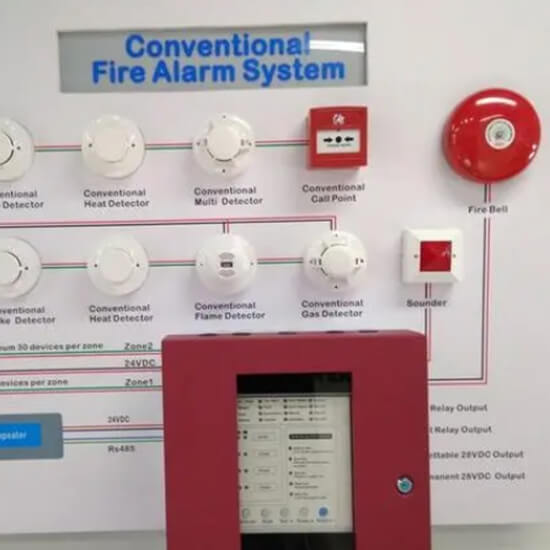
An automatic fire alarm system is one of the most important parts of modern building fire protection. It helps detect fire early, send alarms quickly, and support fast emergency response. In commercial buildings, residential towers, industrial plants, transit projects, and public facilities, a complete fire alarm system does much more than trigger a siren. It connects detection, manual alarm, control, linkage, and communication into one coordinated safety platform. For engineers, contractors, distributors, and project buyers, understanding the general regulations of an automatic fire alarm system is essential. Good system design improves safety, reduces false operations, supports maintenance, and keeps the project aligned with compliance requirements. If the design ignores controller capacity, device compatibility, isolator arrangement, or linkage limits, the whole system may face performance issues during a fire event. This guide explains the key general regulations for a complete fire alarm system in clear language. It also shows why each rule matters in real projects. 1. A complete fire alarm system needs both automatic and manual trigger devices A complete fire alarm system should include both automatic triggering devices and manual triggering devices. This rule creates two layers of protection. Automatic devices such as smoke detectors, heat detectors, flame detectors,......
23
2026-03
How Fast Can Carbon Monoxide Poisoning Become Fatal?
23
2026-03
Emergency Treatment for Carbon Monoxide Poisoning: What to Do Fast
Carbon monoxide poisoning is a medical emergency. Carbon monoxide is an odorless and colorless gas that can build up quickly and cause headache, dizziness, nausea, confusion, collapse, and even death. If you suspect exposure, act fast and move everyone to fresh air at once. The first step in carbon monoxide poisoning emergency treatment is to stop using the suspected fuel-burning appliance if you can do so safely. Do not stay indoors to investigate for long. Open doors and windows only if this does not delay escape. Then leave the building immediately and call emergency medical services. Do not re-enter until professionals say it is safe. If the poisoned person is awake, help them sit or lie down in fresh air and keep them calm. Loosen tight clothing and watch their breathing closely. If the person becomes confused, vomits, or loses strength, place them on their side to help keep the airway clear. If the person is unconscious, not breathing, or not responding, call emergency services right away and start CPR if you are trained. In hospital, doctors usually check blood oxygen and carbon monoxide levels and give oxygen through a mask. Some severe cases may need hyperbaric oxygen treatment. Fast......
23
2026-03
How to Know If There Is Carbon Monoxide in a Room?
21
2026-03
Carbon Monoxide Poisoning Signs and Why You Need a Smoke and Carbon Monoxide Alarm
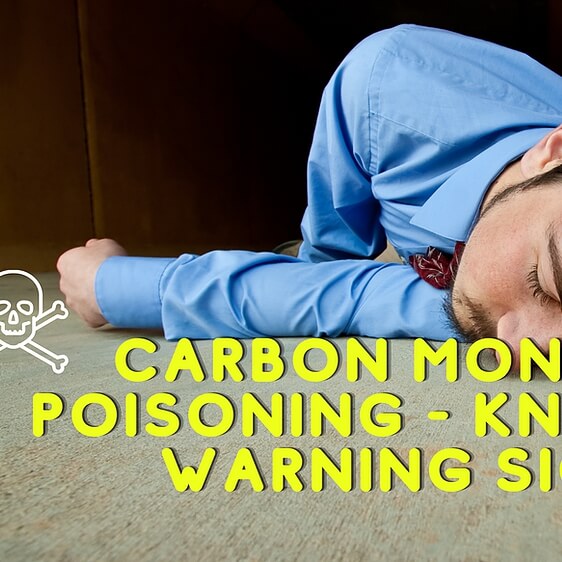
1.Mild poisoningIf symptoms such as headache, dizziness, palpitations, nausea, vomiting, and general fatigue occur, timely open windows for ventilation and breathe fresh air, and the symptoms will soon alleviate or disappear. 2. Moderate poisoningSymptoms such as hyperhidrosis, irritability, unstable walking, pale skin, blurred consciousness, feeling unable to wake up, drowsiness and fatigue, and gradually entering a coma state appear. If effective measures are taken, patients can basically be cured, leaving few sequelae. 3.Severe poisoningThe main symptoms are confusion, closed jaws, convulsions, incontinence, a cherry red complexion and lips, increased breathing and pulse, increased blood pressure, irregular heartbeat, lung rales (respiratory murmurs), and possible increase in body temperature; Extremely critical individuals can continue to experience deep coma, weak pulse, irregular breathing, decreased blood pressure, and even life-threatening conditions. Patients with severe poisoning have a high mortality rate and may leave serious sequelae. The harm of carbon monoxide poisoning is obvious, and the most accurate and convenient way to nip it in the bud is to install fire and monoxide alarms. If there is a gas leak with it, the fire and monoxide alarms will immediately notify the people inside the house with a very loud and sharp sound transmission. People who own......

Let's Discuss Your Project

Contact us for quick advice, and to meet your needs with maximum efficiency!

    1. How long it will takes to delivery ?
    Typically, small items shipped via air freight take 5–7 days, while large items shipped via sea freight take 30–50 days. These timeframes may be subject to delays caused by force majeure factors, such as adverse weather conditions and public holidays.
    2. What payment methods does your company accept?
    Typically, we support payment methods: T/T, L/C, Western Union, D/P, D/A, and PayPal.
    3. How long is the warranty time of the products?
    The warranty period is 2 years from the factory,if there are individual quality problems, we will replenish the customer in the next batch of orders.