
How to Know If There Is Carbon Monoxide in a Room?
Carbon monoxide is one of the most dangerous indoor safety risks because it gives no clear warning to the human senses. It has no color and no smell, so people often do not realize there is a problem until physical symptoms begin. According to the CDC and EPA, carbon monoxide can cause serious illness and can become fatal at high levels. Common symptoms include headache, dizziness, weakness, nausea, confusion, chest discomfort, or unusual tiredness, but these symptoms are not specific to carbon monoxide and should never be used as the only test for safety.
So how can you know if there is carbon monoxide in a room?
The honest answer is simple: you cannot judge it reliably by smell, sight, or personal feeling alone. Many people assume they will “notice something wrong” in time, but carbon monoxide does not work that way. A room can look normal, smell normal, and still contain dangerous levels of CO. That is why mini carbon monoxide detectors have become such an important product for homes, apartments, rental properties, hotels, and other indoor spaces. EPA notes that CO alarms are designed to warn of unusual CO buildup in the home, while NFPA says that if a CO alarm sounds, people should move immediately to a fresh-air location outdoors or by an open window or door.
Why personal sensation is not enough
Relying on your body to detect carbon monoxide is risky. The earliest symptoms can feel like fatigue, a mild headache, or flu-like discomfort. The CDC specifically describes many CO poisoning symptoms as flu-like, which makes the danger easy to misread. Some people may blame stress, poor sleep, or seasonal illness instead of recognizing a gas problem. Children, older adults, and people who are asleep may be at even greater risk because they may not respond quickly enough to early symptoms.
This is the key reason homeowners should not wait for symptoms before taking action. By the time symptoms feel obvious, exposure may already be serious. A better approach is continuous monitoring with mini carbon monoxide detectors that can identify rising CO levels before people lose valuable reaction time.
Warning signs that should raise concern
Even though symptoms alone cannot confirm carbon monoxide in a room, they can still serve as warning signs when combined with environmental clues. You should take the risk seriously if:
- multiple people in the same room develop headache, dizziness, nausea, or confusion at the same time
- symptoms improve after leaving the building and return after going back inside
- fuel-burning appliances, gas water heaters, fireplaces, furnaces, or generators are nearby
- a carbon monoxide alarm sounds
- there has been poor ventilation, blocked vents, or recent appliance malfunction
EPA also stresses that CO alarms should be treated as a backup warning system, not a replacement for correct installation, maintenance, and use of fuel-burning appliances. In other words, prevention and detection should work together.
The most reliable way to know: use mini carbon monoxide detectors
If you want a practical answer to the question “How do I know if there is carbon monoxide in a room?”, the best answer is to install mini carbon monoxide detectors in the right locations.
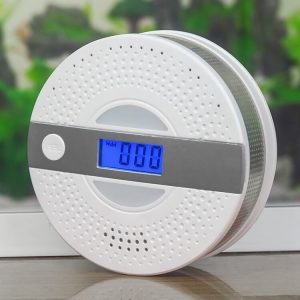
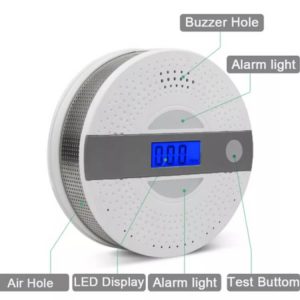
These devices continuously monitor indoor air and trigger an alarm when carbon monoxide reaches unsafe levels. This gives families more time to leave the area, improve ventilation if appropriate, and call for help. Compared with guessing from physical symptoms, mini carbon monoxide detectors provide a much faster and more dependable warning method.
For many households, compact models are especially attractive because they are easy to place, simple to test, and suitable for bedrooms, hallways, living rooms, apartments, and small indoor spaces. Their small size also makes them a good option for modern homes where users want safety protection without bulky equipment.
Where to place mini carbon monoxide detectors
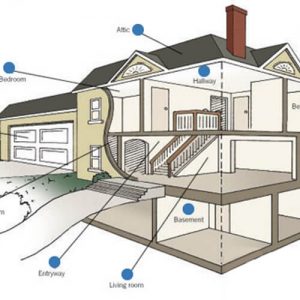
For better home protection, mini carbon monoxide detectors should be installed in key indoor locations. A practical layout often includes:
- outside sleeping areas
- near bedrooms
- on each level of the home
- close to living spaces where people spend long periods
- near rooms with fuel-burning appliances, while still following product spacing instructions
The EPA and older EPA/CPSC guidance both describe CO alarms as an important home safety measure and recommend broad household coverage, especially near sleeping areas and on multiple levels of the home.
When choosing placement, always follow the manufacturer’s installation instructions. Product design, power type, and sensing configuration may affect the best mounting height and exact position.
What to do if you suspect carbon monoxide in a room
If you believe a room may contain carbon monoxide, act quickly and stay calm.
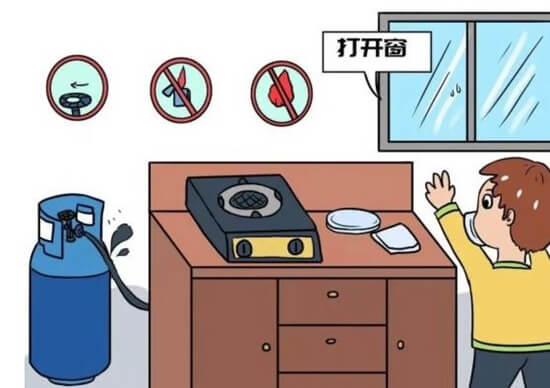
First, move everyone to fresh air as soon as possible. Open doors and windows if you can do so safely, but do not delay evacuation just to ventilate the room. NFPA advises going outdoors or to a fresh-air location by an open window or door and making sure everyone is accounted for if the CO alarm sounds. After that, contact emergency services or the appropriate local safety authority.
Do not ignore mild symptoms. Do not stay indoors to “see if it gets better.” Do not assume the danger will pass on its own. If anyone feels seriously ill, seek medical help immediately. CDC guidance makes clear that high CO exposure can cause loss of consciousness or death.
Prevention matters as much as detection
A good safety plan does not stop at installing a detector. To reduce the chance of carbon monoxide buildup, homeowners should maintain fuel-burning appliances regularly, check venting systems, and avoid unsafe indoor use of engines, grills, or similar combustion equipment. EPA also recommends annual inspection and maintenance of fuel-burning appliances and warns against improper indoor use of combustion devices.
That is why mini carbon monoxide detectors work best as part of a full prevention strategy. They do not replace proper appliance care, but they add a critical layer of real-time warning that can protect lives when something goes wrong.
Why mini carbon monoxide detectors are a smart choice
From a product value perspective, mini carbon monoxide detectors offer several advantages for modern households:
They save space.
They fit easily into bedrooms, apartments, and compact interiors.
They support continuous indoor monitoring.
They provide clear alerts when unusual CO buildup occurs.
They help users react faster than symptom-based judgment.
They improve peace of mind for families, landlords, and property managers.
For safety-conscious buyers, this combination of convenience and protection makes compact CO detection products a strong choice for everyday residential use.