Why Use a Carbon Monoxide Detector for Home Safety?
A carbon monoxide detector for home safety is a life-saving device that detects dangerous carbon monoxide gas and alerts occupants before poisoning occurs.
Homeowners often focus on locks, cameras, and fire alarms. However, invisible gases can create even greater risks. Carbon monoxide causes thousands of emergency visits every year. Since this gas has no smell or color, families usually cannot detect danger without professional equipment.
That is why installing a carbon monoxide detector for home safety remains one of the smartest decisions for modern households.
What Is Carbon Monoxide?
Carbon monoxide, often called CO, forms when fuels burn incompletely. Gas heaters, fireplaces, stoves, furnaces, and generators may release this toxic gas during operation.
Unlike smoke, carbon monoxide gives no warning signs. You cannot smell it, taste it, or see it. Because of this, experts often call it the “silent killer.”
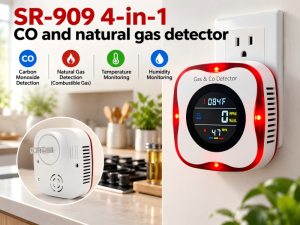
A reliable carbon monoxide detector for home safety continuously monitors indoor air and triggers an alarm when CO levels become unsafe.
Why Is Carbon Monoxide So Dangerous?
Carbon monoxide enters the bloodstream through breathing. It replaces oxygen in the blood and prevents organs from receiving enough oxygen.
Low exposure may cause:
- Headaches
- Fatigue
- Dizziness
- Nausea
- Confusion
High exposure can cause:
- Loss of consciousness
- Brain damage
- Heart complications
- Death
Children, elderly people, and pets face even greater risks. Therefore, every family should install a trusted carbon monoxide detector for home safety immediately.
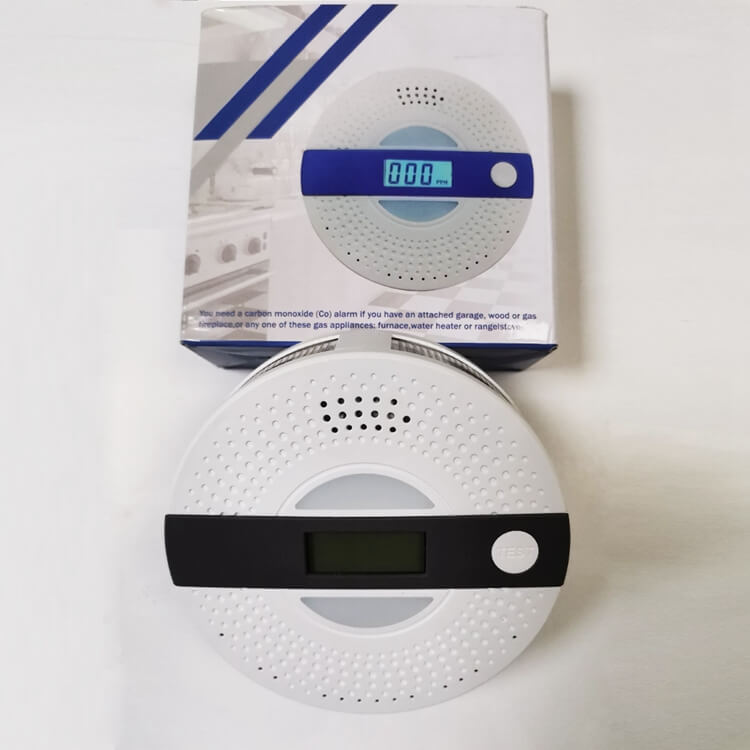
How Does a Carbon Monoxide Detector for Home Safety Work?
A carbon monoxide detector uses advanced sensors to measure CO concentration in the air. Once dangerous levels appear, the device activates a loud alarm.
Most modern detectors include:
- Electrochemical sensors
- Real-time monitoring
- Audible warning systems
- LED indicators
- Battery backup
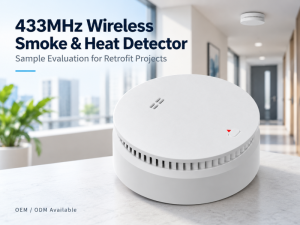
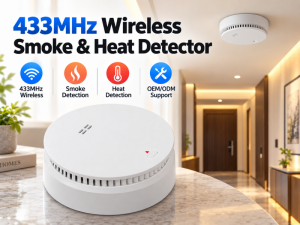
Some advanced units also combine smoke and heat detection. These multi-functional products improve total home protection.
Why Choose a Fire Carbon Monoxide Detector?
A fire carbon monoxide detector combines two important safety systems into one compact device.
Products like the SR-822THS detect:
- Carbon monoxide gas
- Smoke particles
- Fire hazards
This dual protection reduces installation costs and improves response speed during emergencies.
Many homeowners now prefer a fire carbon monoxide detector because it saves space while increasing safety efficiency.
Key Benefits of Installing a Carbon Monoxide Detector for Home Safety
Early Warning Protection
The main advantage involves fast hazard detection. A detector warns your family before carbon monoxide reaches dangerous levels.
Better Sleep Safety
Most carbon monoxide accidents happen during sleeping hours. Installing detectors near bedrooms helps protect occupants overnight.
Increased Property Value
Modern buyers prefer homes with complete safety systems. A professional carbon monoxide detector for home safety improves property appeal.
Easy Maintenance
Most detectors require only battery replacement and periodic testing.
Affordable Protection
Compared with medical emergencies or fire damage, a carbon monoxide detector costs very little.
Best Locations for Carbon Monoxide Detector Installation
Correct placement improves detection accuracy significantly.
Install your carbon monoxide detector for home safety in these locations:
Near Sleeping Areas
Place detectors outside bedrooms to ensure alarms wake occupants immediately.
On Every Floor
Each level should contain at least one detector.
Near Fuel-Burning Appliances
Install units close to furnaces, fireplaces, and water heaters.
Basement Areas
Basements often contain heating equipment that may leak carbon monoxide.
Places You Should Avoid
Improper placement reduces performance.
Do not install detectors:
- Near bathrooms
- Inside kitchens
- Near windows
- In direct sunlight
- Behind furniture
- In humid environments
Following installation guidelines ensures reliable protection.
Features to Look for in the Best Carbon Monoxide Detector
Not all detectors provide the same quality. Choose products with advanced safety features.
High Sensitivity Sensors
Sensitive sensors detect low CO levels quickly.
Loud Alarm Output
Choose alarms above 85 dB for effective emergency alerts.
Battery Backup
Power failures often happen during storms or emergencies. Backup batteries maintain protection.
Digital Display
A digital screen shows real-time carbon monoxide levels.
Multi-Function Protection
A fire carbon monoxide detector combines smoke and CO detection for complete security.
Certification Compliance
Always select certified products meeting:
- CE standards
- EN standards
- RoHS requirements
- ISO quality systems
Why the SR-822THS Is a Smart Choice
The SR-822THS provides dual protection against fire and carbon monoxide hazards.
Key advantages include:
- Fast detection response
- Stable sensor technology
- Loud emergency alarm
- Easy installation
- Long service life
- Compact modern design
This model works well in homes, apartments, hotels, and offices.
For families seeking reliable protection, the SR-822THS remains an excellent carbon monoxide detector for home safety.
Common Causes of Carbon Monoxide Leaks
Understanding risk sources helps homeowners prevent accidents.
Faulty Furnaces
Poorly maintained heating systems create dangerous combustion problems.
Gas Stoves
Improper ventilation may increase indoor carbon monoxide levels.
Fireplaces
Blocked chimneys can trap harmful gases indoors.
Portable Generators
Running generators inside garages causes severe poisoning risks.
Vehicle Exhaust
Cars left running in attached garages may leak CO into living spaces.
A dependable carbon monoxide detector for home safety helps identify these dangers early.
Signs Your Home May Have Carbon Monoxide Problems
Watch for warning signs including:
- Condensation on windows
- Yellow furnace flames
- Stale indoor air
- Frequent headaches
- Soot buildup near appliances
Even if symptoms seem mild, install a detector immediately.
How Often Should You Test Your Detector?
Experts recommend monthly testing.
Most devices include a test button. Press it regularly to confirm alarm functionality.
You should also:
- Replace batteries yearly
- Clean vents regularly
- Replace detectors every 5–7 years
Routine maintenance ensures dependable performance.
Smart Home Integration for Modern Safety
Many modern detectors now support smart home systems.
Advanced devices can:
- Send mobile alerts
- Connect with security systems
- Trigger smart ventilation
- Provide remote monitoring
A smart carbon monoxide detector for home safety offers greater convenience and faster response during emergencies.
Carbon Monoxide Detector vs Smoke Detector
Many homeowners mistakenly believe smoke alarms detect carbon monoxide.
However, standard smoke detectors only sense smoke particles.
A dedicated carbon monoxide detector for home safety specifically detects toxic gas concentrations.
For complete protection, install both systems or choose a combination unit.
Why Combination Detectors Continue Growing in Popularity
Combination devices simplify home safety.
Benefits include:
- Lower installation costs
- Fewer wall devices
- Easier maintenance
- Complete protection
- Better interior appearance
A fire carbon monoxide detector remains one of the most practical solutions for modern homes.
Industry Standards and Certifications
Reliable detectors should comply with international standards.
Important certifications include:
ISO 9001
Ensures consistent manufacturing quality.
CE Certification
Confirms European safety compliance.
EN Standards
Guarantee detector reliability and performance.
RoHS Compliance
Restricts hazardous substances in electronics.
Certified products deliver safer long-term operation.
Common Mistakes Homeowners Make
Avoid these common errors:
Installing Only One Detector
Large homes require multiple detectors.
Ignoring Low Battery Warnings
Battery alerts indicate reduced protection.
Placing Units Incorrectly
Improper placement weakens detection efficiency.
Forgetting Replacement Dates
Old detectors may fail during emergencies.
Choosing Cheap Low-Quality Products
Low-cost units often provide unreliable performance.
Investing in a high-quality carbon monoxide detector for home safety protects lives more effectively.
Expert Recommendation
Safety professionals strongly recommend installing combination smoke and CO detectors throughout residential properties.
For best results:
- Install detectors on every floor
- Place units near bedrooms
- Test alarms monthly
- Replace aging devices promptly
- Choose certified products
A premium fire carbon monoxide detector offers the highest level of residential safety.
Why Carbon Monoxide Detectors Matter More Today
Modern homes use tighter insulation for energy efficiency. While this reduces energy costs, it also limits ventilation.
As a result, carbon monoxide can accumulate faster indoors.
That is why every modern household should prioritize a carbon monoxide detector for home safety as part of a complete protection strategy.
FAQ:
1、How many carbon monoxide detectors does a home need?
Most homes need at least one detector on every floor and near sleeping areas.
2、Can a smoke detector detect carbon monoxide?
No. Standard smoke detectors cannot detect carbon monoxide gas.
3、How long do carbon monoxide detectors last?
Most units last between 5 and 7 years.
4、Where should I install a fire carbon monoxide detector?
Install it near bedrooms, hallways, and fuel-burning appliances.
5、Do carbon monoxide detectors require maintenance?
Yes. Test devices monthly and replace batteries annually.
6、What causes false alarms?
Humidity, steam, and improper placement may trigger false alarms.
7、Are battery-powered detectors reliable?
Yes. High-quality battery-powered units work very effectively.
8、Is a combination detector better?
Yes. Combination units provide fire and carbon monoxide protection together.
A reliable carbon monoxide detector for home safety protects families against invisible threats every day. Carbon monoxide poisoning happens quickly and without warning. However, proper detection technology dramatically reduces the risk.
Choosing a certified fire carbon monoxide detector like the SR-822THS provides stronger protection, better convenience, and greater peace of mind.
Home safety begins with prevention. Install the right carbon monoxide detector today and keep your family protected for years to come.