Emergency Treatment for Carbon Monoxide Poisoning: What to Do Fast
Carbon monoxide poisoning is a medical emergency. Carbon monoxide is an odorless and colorless gas that can build up quickly and cause headache, dizziness, nausea, confusion, collapse, and even death. If you suspect exposure, act fast and move everyone to fresh air at once.
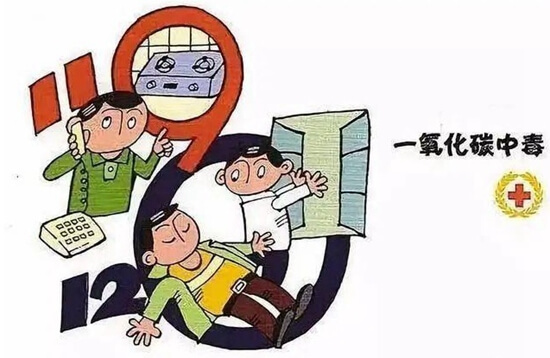
The first step in carbon monoxide poisoning emergency treatment is to stop using the suspected fuel-burning appliance if you can do so safely. Do not stay indoors to investigate for long. Open doors and windows only if this does not delay escape. Then leave the building immediately and call emergency medical services. Do not re-enter until professionals say it is safe.
If the poisoned person is awake, help them sit or lie down in fresh air and keep them calm. Loosen tight clothing and watch their breathing closely. If the person becomes confused, vomits, or loses strength, place them on their side to help keep the airway clear. If the person is unconscious, not breathing, or not responding, call emergency services right away and start CPR if you are trained.
In hospital, doctors usually check blood oxygen and carbon monoxide levels and give oxygen through a mask. Some severe cases may need hyperbaric oxygen treatment. Fast medical care is important because symptoms can worsen even after exposure stops. That is why every home should know the basics of carbon monoxide poisoning emergency treatment before an accident happens.
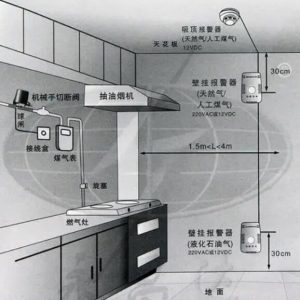
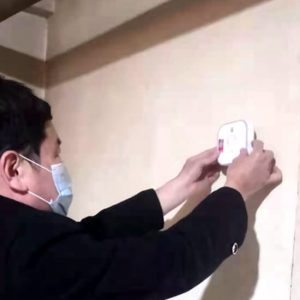
Prevention is just as important as rescue. A reliable co detector sensor alarm gives an early warning before carbon monoxide reaches a dangerous level. According to fire and consumer safety guidance, CO alarms should be installed on every level of the home and outside sleeping areas. Many safety sources also recommend placing alarms near bedrooms and following the manufacturer’s instructions for exact mounting distance and height. Test alarms regularly and replace batteries on schedule.
A high-quality co detector sensor alarm is one of the best ways to reduce risk from hidden CO leaks caused by boilers, heaters, stoves, fireplaces, or attached garages. When prevention and fast response work together, families gain more time to escape, seek treatment, and stay safe.