
Are You Installing Smoke and CO Detectors Correctly and Safely?
Proper smoke CO detector installation plays a critical role in protecting lives and property. A correctly installed detector reduces false alarms and ensures early warning during fire or carbon monoxide leaks. Many users overlook installation details, which directly affects performance and safety.
This guide explains essential precautions for smoke CO detector installation in homes, offices, and industrial environments.

1. Handle the Sensor Carefully During Installation
The detector probe is the core sensing element. It often uses a platinum-based catalytic structure with alumina coating and precious metals.
During smoke CO detector installation, avoid any impact or pressure on the probe. Even small damage can reduce sensitivity or cause failure. Always hold the device by its housing, not the sensor area.
2. Install at the Correct Height
Correct height ensures accurate detection and faster response.
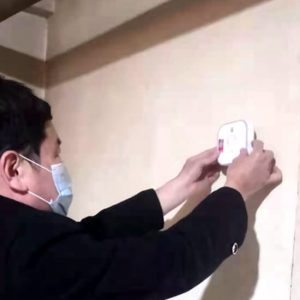
For most environments, install the smoke CO detector installation unit at 160–170 cm from the floor. This height supports easy inspection and maintenance while maintaining effective detection performance.
Do not install too high or too low, as incorrect positioning can delay alarm response.
3. Ensure Clear Visibility and Sound Coverage
A smoke CO detector installation must remain visible and audible at all times.
Place the device where staff or family members can easily see warning lights and hear alarms. Avoid corners, hidden ceilings, or blocked areas.
Good visibility improves response time and reduces risk during emergencies.
4. Avoid Strong Electromagnetic Interference
Electronic interference can affect sensor accuracy.
During smoke CO detector installation, keep the device away from:
- High-power motors
- Transformers
- Large electrical panels
- Strong wireless interference sources
These devices may distort readings or trigger false alarms.
5. Choose the Right Position Based on Gas Density
Gas behavior affects detection accuracy. Proper placement improves performance significantly.
For lighter-than-air gases, install the detector about 30 cm below the ceiling. For heavier gases, install it about 30 cm above the floor.
Correct positioning is a key factor in effective smoke CO detector installation and reliable hazard detection.
6. Ensure Stable Environment and Easy Maintenance
A stable environment improves long-term performance.
Avoid installing detectors in:
- High humidity areas
- Dust-heavy environments
- Direct airflow zones like vents or fans
Also, ensure technicians can easily access the unit for testing and maintenance. Routine checks keep the smoke CO detector installation system reliable over time.
7. Combine Smoke and CO Protection for Maximum Safety
Modern systems often combine smoke and carbon monoxide detection.
A combined smoke CO detector installation improves safety coverage and reduces installation complexity. It also ensures faster alerts for multiple hazard types in one system.
Correct smoke CO detector installation ensures early warning, reduces risks, and protects lives. Follow proper height rules, avoid interference, and choose the right placement based on gas behavior.
A well-installed system delivers reliable protection every day.