
How Do You Fix a Universal CO Detector Failure Quickly and Safely?
A universal co detector is a critical safety device that protects people from carbon monoxide exposure. When it fails, safety risks increase quickly. Knowing how to diagnose and fix a universal co detector helps maintain accurate monitoring and reliable alarm performance in homes, vehicles, and industrial environments.

This guide explains common failures and practical solutions for a universal co detector so you can restore normal function and keep detection accuracy high.
1. Calibration Gas Not Triggering the universal co detector
When calibration gas does not trigger the universal co detector, the sensor often has a serious issue. In most cases, the electrochemical sensor has degraded or stopped working.
First, confirm that you use the correct calibration gas and proper flow rate. Incorrect gas concentration can prevent response and mislead diagnosis.
If the gas is correct but the universal co detector still shows no reaction, the sensor likely failed. Replace the sensor immediately. Do not continue using a faulty device because it cannot detect carbon monoxide accurately.
Technicians should handle sensor replacement when users lack experience. Proper calibration after replacement ensures the universal co detector returns to normal sensitivity.
2. Incorrect Readings in the universal co detector
A universal co detector may show readings that are too high or too low. This issue often comes from drift in sensor sensitivity or environmental interference.
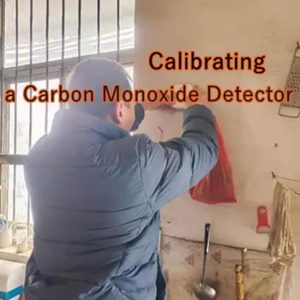
Start by recalibrating the device using certified calibration gas. Recalibration resets the baseline and restores measurement accuracy in most cases.
If recalibration does not fix the issue, check for contamination around the sensor inlet. Dust, oil vapor, or humidity can distort readings in a universal co detector.
You should also verify installation conditions. Strong airflow, temperature extremes, or chemical exposure can affect sensor performance. After adjustments, test the universal co detector again to confirm stable readings.
3. Alarm Function Failure in the universal co detector
A working universal co detector must trigger sound, light, or vibration alarms when gas concentration reaches a preset level. If the alarm fails, safety protection is compromised.
First, test each alarm mode individually. Check sound output, indicator lights, and vibration response separately. This helps identify which function failed in the universal co detector.
If all alarm modes fail, inspect the internal circuit or battery system. Low power supply often causes alarm malfunction. Replace batteries or recharge the device as needed.
If only one alarm mode fails, such as sound or light, internal component damage may exist. In this case, repair or replace the universal co detector module.
Regular functional testing prevents unnoticed alarm failures and improves long-term reliability.
4. Preventive Maintenance for a universal co detector
Routine maintenance keeps a universal co detector stable and accurate. Clean the sensor area regularly to avoid dust blockage. Avoid exposing the device to high humidity or corrosive gases.
Schedule calibration at least once a year or according to manufacturer recommendations. Frequent testing improves early detection of performance drift in a universal co detector.
Also monitor device lifespan. Most sensors have a limited service life. Replace the universal co detector when it reaches end-of-life indicators to ensure continuous protection.