What Are the Main Home CO Poisoning Risks and How Can the Best CO Alarm Help?
Carbon monoxide (CO) poisoning is one of the most dangerous but preventable household hazards. It is colorless, odorless, and impossible to detect without a sensor. Recent monitoring data from multiple countries shows that non-occupational CO poisoning happens mainly at home, accounting for more than 90% of cases. This makes home safety awareness essential for every family.
Understanding the risk factors and using the best CO alarm for home safety can significantly reduce life-threatening incidents.
What Causes Carbon Monoxide Poisoning at Home?

Home CO poisoning usually happens when fuel-burning devices do not burn efficiently or when ventilation is poor. Below are the most common risk factors.
- Poor Ventilation in Heating Environments
One of the highest-risk scenarios is using coal stoves, charcoal heaters, or traditional heating systems in closed rooms. When ventilation is insufficient, CO accumulates quickly. Even a small amount of incomplete combustion can raise indoor CO levels to dangerous concentrations. Families relying on such heating methods must prioritize airflow and install the best CO alarm for home safety. - Faulty or Poorly Installed Gas Appliances
Gas water heaters and gas furnaces are widely used in homes, but improper installation or aging equipment increases risk. If a water heater is installed in a bathroom or enclosed space without proper exhaust, CO can build up rapidly. Substandard products or poor maintenance also increase leakage risks. A reliable best CO alarm for home safety provides early warnings before gas reaches harmful levels. - Gas Stove or Pipe Leaks
Gas stoves and pipelines can develop leaks due to aging seals, corrosion, or improper connections. Even a small leak can produce CO if combustion becomes incomplete. Many households ignore minor gas odors or assume ventilation is enough. However, CO is invisible and cannot be smelled, which makes detection impossible without a sensor. Installing the best CO alarm for home safety is a critical defense layer. - Using Fuel-Burning Devices Indoors
Portable generators, grills, and charcoal burners should never be used indoors or in garages. These devices release high levels of CO during operation. Even partially open doors or windows cannot guarantee safety. Continuous monitoring through the best CO alarm for home safety helps reduce accidental exposure. - Blocked Chimneys and Exhaust Systems
Blocked chimneys, exhaust vents, or flues can trap combustion gases inside the home. Birds’ nests, debris, or improper installation often cause blockages. Without proper inspection, CO can circulate back into living spaces. Regular maintenance combined with a best CO alarm for home safety ensures early detection.
Why CO Poisoning Is So Dangerous
CO binds with hemoglobin in the blood more effectively than oxygen. This reduces oxygen supply to vital organs like the brain and heart. Early symptoms include headache, dizziness, and nausea. Severe exposure can lead to unconsciousness or death within minutes.
Because symptoms often resemble flu or fatigue, many victims do not realize the danger until it is too late. This is why prevention is essential.
How the Best CO Alarm Protects Your Home
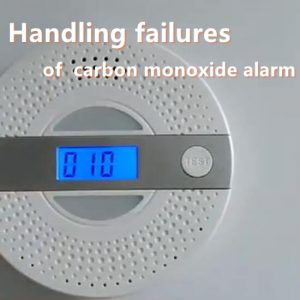
A modern CO alarm continuously monitors air quality and triggers an alert when CO levels rise. The best CO alarm for home safety provides early warnings that allow people to evacuate and fix the source before poisoning occurs.
Key benefits include:
- 24/7 real-time gas monitoring
- Loud audible alarms for immediate response
- Detection before symptoms appear
- Protection during sleep when risk is highest
Installing alarms near bedrooms, kitchens, and heating areas ensures full coverage.
Practical Safety Tips for Families
Even with the best devices, safety habits matter:
- Ensure proper ventilation when using fuel-burning devices
- Schedule regular inspection of gas systems
- Never ignore mild gas odors or symptoms
- Install the best CO alarm for home safety in key areas
- Replace alarms according to manufacturer guidelines
Carbon monoxide poisoning is preventable when risks are understood and managed properly. Most incidents occur due to poor ventilation, faulty appliances, or unnoticed leaks. By combining safe usage habits with the best CO alarm for home safety, families can significantly reduce risks and create a safer living environment.