
Why does carbon monoxide poisoning happen in cars and how can you prevent it?
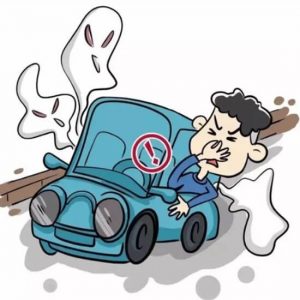
Carbon monoxide (CO) is a dangerous gas that has no color or smell. It can build up inside vehicles without warning. Installing a car co alarm helps detect this silent threat early and protects drivers and passengers from life-threatening exposure.
A car co alarm is becoming an essential safety device as more drivers recognize the risks of enclosed vehicle environments. Understanding the causes of CO buildup helps prevent accidents before they happen.

What Causes Carbon Monoxide Buildup in Cars?
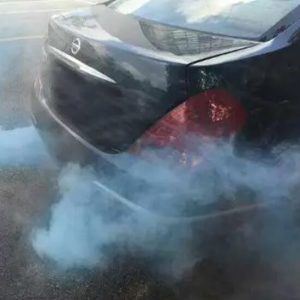
Carbon monoxide poisoning in vehicles usually happens when exhaust gases accumulate inside the cabin. Below are the main causes.
1. Engine Combustion Problems and Incomplete Fuel Burning
When a vehicle engine runs inefficiently, it produces more carbon monoxide. Poor fuel combustion releases harmful gases directly into the exhaust system.
If the ventilation system is weak or the car is sealed, CO can enter the cabin. A car co alarm detects rising CO levels early and alerts occupants before symptoms appear.
2. Poor Ventilation in Cold Weather Driving
Drivers often keep windows closed in cold weather to stay warm. However, this reduces airflow inside the car.
When multiple passengers are inside, oxygen levels drop while carbon monoxide builds up from outside traffic and internal sources. This trapped air increases poisoning risk.
A car co alarm helps monitor air quality when natural ventilation is limited.
3. Long Idling or AC Use in Stationary Vehicles
Many drivers leave their engines running while parked, especially when using air conditioning or heating.
During idle time, incomplete fuel burning produces carbon monoxide. If the cabin is closed, CO concentration rises quickly.
A car co alarm is critical in this situation because symptoms like dizziness or nausea may appear too late.
Symptoms of Carbon Monoxide Poisoning
CO exposure affects the body quickly. Common symptoms include:
- Headache
- Dizziness
- Nausea
- Vomiting
- Confusion
- Loss of consciousness in severe cases
These symptoms are often mistaken for fatigue, which makes a car co alarm even more important.
Why You Need a car co alarm in Your Vehicle
A car co alarm continuously monitors carbon monoxide levels inside your vehicle. It provides early warning before gas reaches dangerous concentrations.
Key benefits include:
- Real-time CO detection
- Loud alarm for immediate warning
- Protection during long drives and idling
- Extra safety in winter and summer conditions
- Early prevention of life-threatening exposure
Installing a car co alarm is a simple step that greatly improves driving safety.
How to Reduce Carbon Monoxide Risk
You can lower CO risk by following safe driving habits:
- Keep ventilation active when possible
- Avoid long engine idling in closed spaces
- Regularly maintain your vehicle engine
- Do not ignore unusual exhaust smells outside the car
- Install a car co alarm for continuous protection
Prevention works best when combined with real-time detection.
Carbon monoxide poisoning in cars happens quickly and silently. Engine issues, poor ventilation, and long idling all increase the risk. A car co alarm provides early detection and helps prevent dangerous exposure.
Every vehicle should have a car co alarm to ensure safer driving in all seasons.