
Why Is a Carbon Monoxide Alarm Car Detector the Ultimate Guardian of Life Safety in Vehicles Today?
A carbon monoxide alarm car detector has become one of the most critical life-saving devices for modern drivers because it detects a silent, invisible, and odorless threat before it becomes deadly. Carbon monoxide (CO) builds up quickly in enclosed spaces such as cars, especially when the engine runs, ventilation is limited, or exhaust gases leak. Drivers often underestimate how fast CO concentration rises inside a closed vehicle, which makes real-time detection essential for safety.
To understand its importance, consider a controlled experiment inside a sealed car placed in a paint booth environment. The vehicle runs with the air conditioner on and external circulation enabled, while doors and windows remain closed. A carbon monoxide alarm car detector monitors CO levels over time and reveals how quickly the situation changes.
At 0 minutes, the carbon monoxide concentration reads 0ppm. The temperature stays around 20°C, and the environment feels stable and comfortable. At this stage, no visible danger exists, and most drivers would feel completely safe.
After just 1 minute, the CO concentration rises to 5ppm. Although this level still appears low, the increase shows how quickly emissions begin accumulating in a confined space. A carbon monoxide alarm car detector continuously tracks this change and prepares for early warnings even before conditions become hazardous.

By 3 minutes, the situation begins to shift. The carbon monoxide alarm car detector activates its warning light. This early alert matters because human senses cannot detect CO. Drivers will not smell it or see it, yet the gas already starts building up inside the cabin. Early detection at this stage provides the first line of defense against poisoning.
At 5 minutes, the CO concentration reaches 65ppm. The warning system intensifies with flashing lights and vibration. This level already creates noticeable discomfort for occupants. Many people begin to feel dizziness, fatigue, or mild breathing difficulty without realizing the cause. The carbon monoxide alarm car detector responds instantly and continuously reminds occupants that the environment is becoming unsafe.
At 15 minutes, the concentration rises further to 70ppm. The alarm continues flashing and vibrating. At this point, exposure becomes dangerous, especially for children, elderly passengers, or individuals with respiratory conditions. The continuous alert from the carbon monoxide alarm car detector plays a critical role in prompting immediate action such as opening windows or exiting the vehicle.
By 25 minutes, CO levels reach 91ppm. This level presents a serious health risk. People entering the environment may experience obvious suffocation symptoms and rapid discomfort within just one minute. In a real-life scenario, prolonged exposure at this concentration can lead to severe poisoning. The carbon monoxide alarm car detector continues its alarm state, acting as the only reliable warning system against an invisible killer.
This experiment clearly shows how fast carbon monoxide accumulates inside a closed vehicle. It also demonstrates why relying on human senses alone is extremely dangerous. Carbon monoxide has no smell, no color, and no taste. Without a detection device, drivers often recognize danger only after symptoms appear, which may be too late.
A carbon monoxide alarm car detector provides early warning that saves valuable reaction time. It continuously monitors air quality and alerts passengers before CO reaches life-threatening levels. This early response window often determines whether occupants stay safe or suffer poisoning.
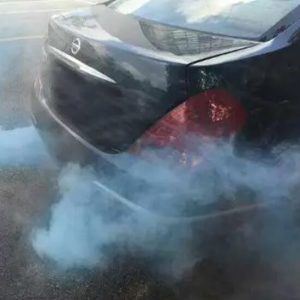
Modern driving environments increase the risk of CO exposure. Traffic congestion, long idle times, enclosed parking areas, and air-conditioning use all contribute to gas buildup. Even small exhaust leaks or external fumes entering the cabin can quickly raise CO concentration. A carbon monoxide alarm car detector helps reduce this hidden risk by offering constant monitoring regardless of driving conditions.
Another important advantage lies in its portability and independence. Unlike built-in vehicle systems that may not detect cabin air quality directly, a standalone carbon monoxide alarm car detector works continuously inside the passenger space. It protects drivers during resting, long trips, or emergency situations when awareness may be reduced.
Safety experts strongly emphasize that carbon monoxide poisoning remains one of the most preventable causes of accidental death in vehicles. The key challenge is awareness. Many drivers do not realize how quickly CO accumulates in confined environments. A carbon monoxide alarm car detector solves this problem by providing immediate, real-time alerts that humans cannot sense naturally.
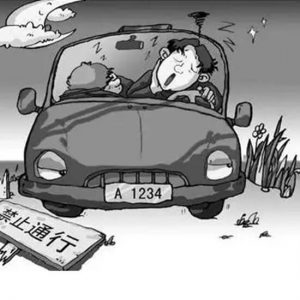
Drivers should also adopt safe habits alongside using a detector. They should avoid sleeping in a closed car with the engine running, ensure proper ventilation when idling, and regularly check exhaust systems for leaks. However, even with precautions, unpredictable situations can still occur. This is why a carbon monoxide alarm car detector remains essential as a final safety barrier.
In conclusion, the experiment proves that carbon monoxide levels can rise from zero to dangerous concentrations in less than half an hour inside a closed vehicle. The carbon monoxide alarm car detector responds at each critical stage, providing early warnings that protect life and prevent serious harm. It acts as a silent guardian that never sleeps, never loses attention, and always prioritizes safety.
Every vehicle owner should treat a carbon monoxide alarm car detector as a necessary safety investment rather than an optional accessory. It protects lives, reduces risk, and ensures that every journey remains safe from invisible danger.