
Why Do People Get Carbon Monoxide Poisoning in a Car?
Why do some people get carbon monoxide poisoning in a car?
Many people have seen news reports about drivers or passengers fainting inside a parked car. Some were rescued in time, while others sadly lost their lives. In many of these cases, the hidden danger was carbon monoxide.
Carbon monoxide is a colorless, odorless, and highly dangerous gas. You cannot see it, and you usually cannot smell it. That is why it can become a serious threat inside a vehicle without warning. Understanding how this happens can help car owners avoid preventable accidents and improve daily vehicle safety.
What causes carbon monoxide poisoning in a car?
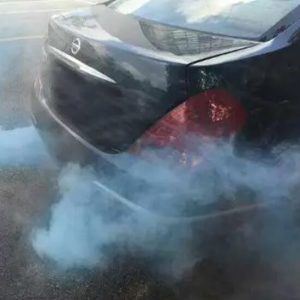
In most cases, carbon monoxide poisoning in a car happens when the vehicle stays idle for a long time in a closed or poorly ventilated environment. The engine keeps running, which produces exhaust gases. If those gases enter the cabin and build up, the people inside may inhale dangerous levels of carbon monoxide.
This risk increases under several common conditions:
- The car remains idling for a long time
- The windows stay fully closed
- The air conditioner runs continuously
- The ventilation system uses fresh air or external circulation mode
- The car is parked in a garage, basement, or narrow enclosed space
- The exhaust system has a leak, blockage, or damage
When outside air enters through the ventilation system, harmful exhaust gas may also enter the cabin. If this continues, the carbon monoxide level inside the car can rise. Once that happens, the people in the vehicle may start to feel unwell.

What are the symptoms of carbon monoxide exposure in a vehicle?
The early signs are easy to ignore. Many people think they are just tired, sleepy, or uncomfortable. Common symptoms include:
- Headache
- Dizziness
- Fatigue
- Nausea
- Drowsiness
- Confusion
- Shortness of breath
If the carbon monoxide level keeps rising, the situation can become life-threatening. A person may lose consciousness and stop responding. This is especially dangerous when someone falls asleep in the car and cannot notice the warning signs.
Why is sleeping in an idling car dangerous?
Some drivers stay in the car to rest, wait, or use the air conditioner. This may seem harmless, but it can quickly become risky. If the engine continues running and the cabin lacks proper ventilation, carbon monoxide may collect inside without any clear warning.
Sleeping makes the situation worse because the person cannot respond to symptoms in time. A driver who is awake may notice dizziness and open the window or leave the vehicle. A sleeping person may not wake up at all.
That is why safety experts strongly advise people not to sleep in a parked car with the engine running, especially in enclosed or semi-enclosed spaces.
Can carbon monoxide enter the car even with the windows closed?
Yes, it can. Many people assume closed windows always keep exhaust gas outside, but that is not completely true. Carbon monoxide can still enter the cabin through the air intake system, ventilation openings, or leaks in the vehicle body or exhaust system.
If the car uses external air circulation while idling, the blower may pull polluted air into the cabin. Damaged seals, rust, or exhaust pipe problems can also allow gas to move into the passenger area.
For this reason, closed windows alone do not guarantee safety.
How to reduce the risk of carbon monoxide poisoning in a car
Car owners can lower the risk by following a few simple habits:
1. Avoid long idling
Do not leave the engine running for a long time when the car is parked. This is especially important in garages, underground parking areas, and other enclosed spaces.
2. Do not sleep in an idling car
Even a short rest can become dangerous if carbon monoxide starts to build up.
3. Check the exhaust system regularly
A damaged exhaust pipe, muffler, or seal can increase the chance of gas entering the cabin. Routine vehicle inspection helps identify problems early.
4. Use ventilation carefully
If you must stay in the vehicle for a short time, make sure fresh air can circulate properly. Do not rely only on air conditioning.
5. Install a car carbon monoxide detector
A car carbon monoxide detector adds an extra layer of safety. It can monitor carbon monoxide levels inside the vehicle and sound an alarm when the gas concentration becomes dangerous.
Why install a car carbon monoxide detector?
A car carbon monoxide detector helps car owners identify an invisible danger before it causes harm. Since carbon monoxide has no color and no smell, people often do not realize the risk until symptoms begin. By then, the concentration may already be high.
A quality car carbon monoxide detector can provide several practical benefits:
- Real-time monitoring of carbon monoxide levels
- Audible alarm when gas concentration rises
- Better protection for drivers, passengers, children, and pets
- Extra safety during long waits, road trips, or overnight parking
- More confidence in vehicles used in cold weather or high-traffic areas
For families, commercial drivers, fleet operators, and people who spend long hours in vehicles, this type of device can be a smart safety investment.
Is a car carbon monoxide detector expensive?
In most cases, no. Compared with the health risk of carbon monoxide poisoning, the cost of a detector is relatively low. Vehicle safety devices continue to gain attention worldwide, and more buyers now look for compact, reliable, and easy-to-install monitoring products.
As awareness grows, the search interest in car carbon monoxide detector and related vehicle gas safety products also continues to rise. This trend shows that more consumers now understand the importance of in-car air safety.
Carbon monoxide poisoning in a car is not a rare accident. It usually happens because of long idling, poor ventilation, or exhaust gas entering the cabin. Since carbon monoxide is impossible to see and hard to detect without equipment, prevention is always the best strategy.
Car owners should avoid sleeping in an idling vehicle, maintain the exhaust system properly, and pay close attention to ventilation conditions. Most importantly, installing a car carbon monoxide detector can help detect danger early and reduce the chance of a serious incident.
A small safety device may cost very little, but protecting human life matters far more. Stay alert, improve vehicle safety, and make every drive safer for everyone inside the car.