
What Precautions Matter During Automatic Fire Alarm System Inspection?
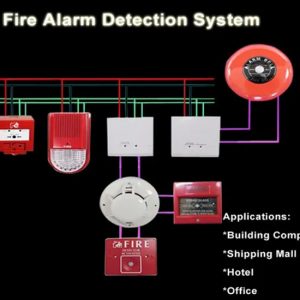
After an automatic fire alarm system is installed, regular inspection becomes essential. A system may look complete on the wall, but real fire protection depends on how well every detector, control panel, power supply, and linkage device performs during daily operation. Industry guidance consistently notes that fire alarm systems require ongoing inspection, testing, and maintenance throughout their service life, not only at installation.
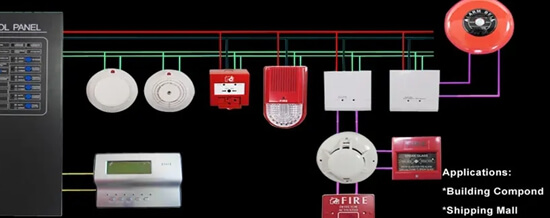
For facility managers, contractors, and buyers looking for a fire alarm system for sale, understanding inspection precautions helps reduce faults, improve response speed, and support long-term system reliability. A well-maintained system protects people, property, and compliance records.
1. Check detectors with the correct test method
The first priority during fire alarm system inspection is detector verification. Smoke detectors should be tested with suitable smoke test tools instead of informal methods. When smoke reaches the detector, the confirmation light should respond correctly and the detector should send the alarm signal to the fire alarm controller. The controller should display the event clearly and record the alarm time accurately.
This step confirms three key points at once:
- the detector can sense fire conditions;
- the signal can reach the panel;
- the panel can display and record the event correctly.
When the test ends, staff should silence and reset the system promptly. Long alarm duration may stress some components and may also disturb normal site operation.
2. Confirm that the control panel records events clearly
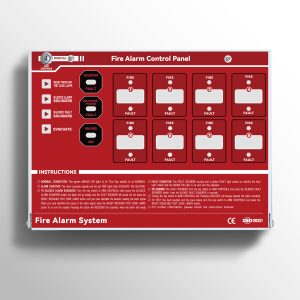
A reliable control panel is the center of the entire automatic fire alarm system. During inspection, users should verify whether the panel shows the correct detector address, zone, device status, and alarm time. If the panel clock is inaccurate or the event history is incomplete, troubleshooting becomes harder later.
Recent inspection guidance for commercial systems also highlights control panel checks, including functions, communication, and monitoring connection status.
For this reason, every inspection should confirm:
- alarm display accuracy;
- normal sound and light indication;
- proper silence and reset function;
- readable history records;
- stable communication with field devices.
3. Inspect the power supply carefully
Power supply stability is another major point in fire alarm system maintenance. The AC power supply of the system should remain stable and should not fluctuate with large electrical equipment. If the fire alarm system shares the same circuit with lighting or other heavy loads, users should separate the circuits as soon as possible.
A dedicated circuit improves reliability because the alarm system must stay active when other equipment starts, stops, or overloads. Inspection and maintenance references also stress the importance of keeping systems ready to operate at all times and checking power-related reliability as part of routine service.
In practical terms, users should inspect:
- main AC power status;
- standby power condition;
- wiring integrity;
- separate circuit availability;
- response during power switching.
4. Test standby power and switching function
A fire alarm system must keep working during a main power failure. That makes standby batteries and power switching functions critical. Weekly or monthly battery-related testing is commonly included in maintenance practice, because backup power directly affects emergency readiness.
During inspection, users should verify that:
- the system changes to backup power smoothly;
- no fault signal appears during changeover;
- the panel remains fully functional;
- linked devices stay responsive.
This precaution is especially important in commercial buildings, warehouses, offices, schools, and public facilities where emergency continuity matters.
5. Verify linkage with emergency devices
A strong fire alarm system testing routine does not stop at detectors and panels. It should also confirm that linked fire safety equipment works normally. Once an alarm is triggered, the system should connect with emergency lights, evacuation indicators, and other programmed outputs without delay.
Users should test whether the fire control equipment can activate:
- fire accident lights;
- evacuation indicators;
- smoke control devices;
- fire doors;
- fire shutters;
- emergency lighting systems;
- alarm change-over switches.
If any linked device fails to act, the whole safety chain becomes weaker. Modern inspection practice emphasizes not only visible condition checks but also real functional testing under operating conditions.
6. Notify relevant people before testing
Before scheduled testing, the site should notify building occupants and the monitoring company or responsible agency. This helps avoid confusion, unnecessary panic, and unwanted emergency response. Fire alarm inspection guidance based on NFPA 72 specifically stresses notifying affected parties before scheduled tests.
This simple step improves both safety and professionalism. It also helps maintenance teams complete testing more efficiently.
7. Re-test the system after repair or adjustment
Any repair, wiring adjustment, device replacement, or software-related change may affect system performance. Reacceptance testing is commonly required after these kinds of modifications so users can confirm the system still performs as intended.
That means users should never assume a repaired system is ready without another full functional check. A small change in one point may affect communication, panel display, or linkage logic elsewhere.
8. Keep clear inspection records
Every fire alarm system inspection should leave a clear record. Good documentation helps with maintenance planning, code review, troubleshooting, and insurance support. It also proves that the system has received proper care over time.
Useful records include:
- inspection date and time;
- tested devices and zones;
- alarm and fault results;
- reset confirmation;
- battery or power findings;
- linkage test results;
- corrective actions taken.
Clear records turn routine inspection into long-term protection value.
Why these precautions matter
Buying a fire alarm system for sale is only the beginning. Real value comes from dependable operation after installation. Regular inspection helps detect hidden problems early, supports compliance, and improves readiness in a real emergency. Industry sources consistently describe inspection, testing, and maintenance as ongoing requirements across the life of the system.
For distributors, project buyers, and facility operators, choosing a supplier that understands both product quality and post-installation reliability is a smart move. A dependable supplier should support not only product selection, but also practical guidance on fire alarm system maintenance and testing.
The most important precautions during automatic fire alarm system inspection include checking detectors correctly, confirming control panel records, verifying dedicated power supply, testing backup power, confirming linkage action, notifying relevant people before testing, and keeping complete maintenance records. These steps help every automatic fire alarm system stay ready when it matters most.
If you are looking for a reliable fire alarm system for sale, choose products designed for stable performance, convenient inspection, and long-term maintenance. A quality system plus proper inspection practice creates stronger fire protection for any building.