
How Do You Choose a Carbon Monoxide Detector for Your Home?
Choosing a carbon monoxide detector does not need to feel complicated. Many buyers think they must understand every technical detail before making a decision, but that is not true. In most cases, the best approach is simple: choose a carbon monoxide detector that matches the place of use, delivers stable performance, and offers clear alerts when danger appears.
A carbon monoxide detector is not a product people buy for decoration. It is a practical safety device. The goal is straightforward. You want early warning, reliable sensing, and easy daily use. If a detector can meet these basic needs, it already solves the most important problem.
Why is choosing a carbon monoxide detector so important?
Carbon monoxide is dangerous because people cannot see it or smell it. That is why families, landlords, contractors, and safety distributors continue to focus on the carbon monoxide detector category. A good detector helps users discover risk earlier and respond faster. For home safety, this matters far more than fancy design or excessive marketing claims.
When buyers search online, they often compare price first. Price matters, but value matters more. A low-cost product that fails to respond in time is not cost-effective. A well-designed carbon monoxide detector with stable sensing and dependable alarm performance gives better long-term value.
What is the first rule when choosing a carbon monoxide detector?
The first rule is to match the detector to the real use requirement.
Ask these questions first:
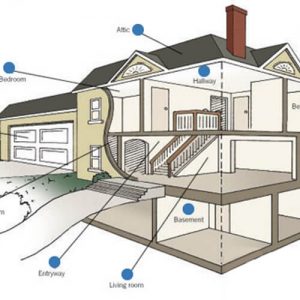
- Will the detector be used in a house, apartment, hotel room, garage area, or rental property?
- Does the user want a stand-alone carbon monoxide detector or a combination unit?
- Is the buyer looking for battery-powered, plug-in, or hardwired power?
- Does the project need a simple household alarm or a more commercial safety solution?
Many people make the mistake of starting with technical data and ignoring the use scenario. In reality, use requirements come first. Once the application is clear, product selection becomes much easier.
For example, a homeowner may prefer a compact carbon monoxide detector with simple installation and a loud alarm. A property manager may care more about maintenance cycle, batch consistency, and replacement reminders. A distributor may focus on certification, stable quality, and cost control. These needs are different, so the right product should match the buyer’s actual goal.

Which performance features matter most?
After confirming the use scenario, performance becomes the next key factor. If you are choosing a carbon monoxide detector, pay attention to the following areas.
1. Sensor sensitivity
The sensor is the core of the product. A sensitive sensor helps the detector identify dangerous carbon monoxide levels earlier. This is the most important feature in the whole device. Without stable sensing, other features lose value.
Many buyers prefer detectors that use electrochemical sensing technology because this type is widely associated with stable CO detection performance in home alarm products. That makes it a strong selling point for buyers who care about reliability and user confidence.
2. Response time
A carbon monoxide detector should respond quickly when gas concentration rises. Faster response supports earlier warning. In real safety situations, earlier warning creates more time for ventilation, evacuation, and action.
3. Accuracy and stability
High accuracy helps reduce unnecessary concern and improves product trust. Stability also matters because a home safety device should work well over time, not only on the first day of installation. Buyers often look for products that keep reliable performance across normal household conditions.
4. Alarm method
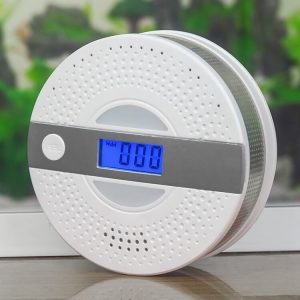
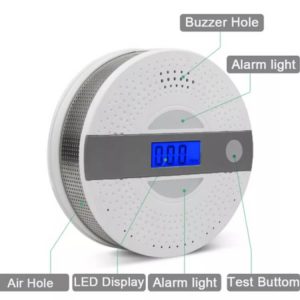
A detector should make warnings easy to notice. Loud audible alarms remain essential, but many users also value digital displays, voice prompts, or indicator lights. These features improve user experience and make the product easier to understand.
5. Power supply
Different applications need different power options. Battery-powered units suit flexible installation. Plug-in models work well for convenient indoor use. Hardwired models may fit larger projects or fixed installations. When choosing a carbon monoxide detector, the best power method depends on the project environment and maintenance plan.
6. End-of-life reminder
This feature is often overlooked, but it is very useful. A detector cannot last forever. An end-of-life reminder helps users replace the product on time and maintain safety continuity. For distributors and B2B buyers, this feature also improves product professionalism.
Is cheap always better?
No. The better question is whether the product offers the right balance of price and performance.
Many buyers want a carbon monoxide detector that is affordable, reliable, and easy to sell or use. That is a reasonable goal. Cost-effective products are attractive, especially when they combine quality components, dependable assembly, and practical design. Some products use imported core components and local assembly to balance quality and cost. This approach can improve value for both brands and end users.
Still, low price alone should never drive the decision. A detector should first meet the use requirement and performance requirement. After that, price becomes meaningful.
How can buyers make selection easier?
If you want a simple method, follow these steps:
Step 1: Define the use scenario
Know where and how the detector will be used.
Step 2: Focus on the sensor
Choose a carbon monoxide detector with reliable sensor performance.
Step 3: Check response and accuracy
Fast warning and stable detection should be priorities.
Step 4: Review alarm features
Look for clear sound, visible indicators, and easy operation.
Step 5: Compare power options and maintenance needs
Select the power type that fits the project.
Step 6: Evaluate cost performance
Do not buy the cheapest unit blindly. Buy the model that creates the best overall value.
What makes a good carbon monoxide detector for B2B buyers?
For distributors, importers, and project buyers, product selection includes more than end-user features. A good carbon monoxide detector should also support business needs such as quality consistency, product clarity, market demand, and efficient sourcing.
In B2B markets, buyers often prefer products with:
- Stable production quality
- Clear specification structure
- Easy installation
- Strong price-performance ratio
- Attractive packaging or OEM/ODM support
- Features that match real market demand
That is why practical models often perform better than overly complex ones. A carbon monoxide detector should be easy to explain, easy to install, and easy to trust.
So, is choosing a carbon monoxide detector easy? Yes, it can be.
You do not need to become a technical expert before buying. Start with the use requirement, then check the core performance points: sensor sensitivity, response time, accuracy, alarm method, and power supply. After that, compare cost performance and select the detector that offers the best value for the intended market.
In the end, a good carbon monoxide detector should do one job well: detect risk early and help protect people in time. That is the standard that matters most.