
Why Does a Protector Fire Alarm Panel Need Self Inspection?
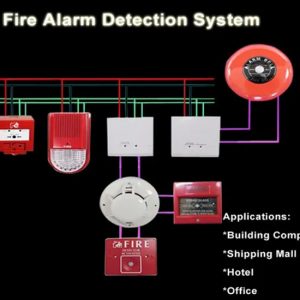
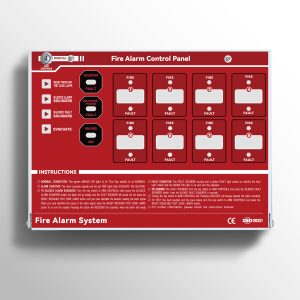
A protector fire alarm panel plays a central role in any automatic fire alarm system. It receives signals, displays system status, sends alarms, and helps building managers react quickly when danger appears. Because this panel works as the control center, regular self inspection is essential. A quick and structured check helps confirm that the protector fire alarm panel can still perform its core tasks when every second matters.
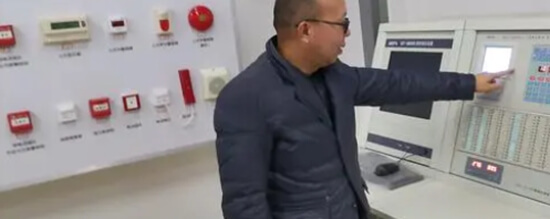
So, why does a protector fire alarm panel need self inspection?
The first reason is system reliability. A fire alarm system cannot protect people or property if the control panel fails to recognize faults, send alarms, or show the right status information. Self inspection helps verify that the sound, light, display, and indicator functions remain in normal working condition. It also helps confirm that connected parts respond correctly and that the full system stays ready for real emergencies. Fire alarm standards and industry guidance emphasize periodic inspection, testing, and maintenance because reliable performance depends on routine checks.
The second reason is faster fault detection. In daily operation, a protector fire alarm panel may develop issues such as abnormal indicators, communication errors, power problems, battery faults, printer issues, or display failures. Self inspection helps staff find these problems early instead of discovering them during a real fire event. Early detection reduces downtime, supports faster maintenance, and lowers the risk of hidden failures inside the automatic fire alarm system. Industry inspection checklists commonly include panel status, indicators, power supply, batteries, and communication functions for exactly this reason.
The third reason is to confirm alarm and notification performance. A protector fire alarm panel must do more than simply receive signals. It must also show accurate information, trigger audible and visual alerts, and coordinate with related equipment. During self inspection, operators can check whether the panel display is clear, whether LEDs and buzzers work properly, and whether printing or event recording functions remain available where applicable. Testing guidance for fire alarm control panels also highlights verifying control functions and communication performance as part of proper maintenance.
Another key reason is compliance and maintenance discipline. After commissioning, daily maintenance, repair, or troubleshooting, self inspection helps verify that the protector fire alarm panel has returned to normal operation. This process supports a safer maintenance workflow and helps building owners or service teams keep the system in a known, documented condition. NFPA resources and related fire alarm inspection guidance clearly note that inspection, testing, and maintenance are part of proper fire alarm system management.
Self inspection also improves confidence for building operators. In commercial buildings, factories, warehouses, schools, hotels, and offices, managers need to know that the control panel is ready every day. A routine self inspection process makes that possible. Instead of waiting for a complaint or a visible fault, teams can confirm panel health in advance. This proactive approach helps reduce risk and supports more stable fire protection management.
In practical use, a protector fire alarm panel self inspection usually focuses on several points. Operators check whether the panel powers on normally, whether the display shows correct information, whether the sound and light indicators work, whether printing or event records remain available, and whether the matching devices and circuits stay in a normal state. They also review the working condition of the power supply and battery backup because power loss can affect fire alarm performance. NFPA guidance specifically notes that secondary power for fire alarm systems must be designed, inspected, tested, and maintained.
For manufacturers, distributors, and project buyers, this topic also has clear product value. A well-designed protector fire alarm panel should make self inspection simple, fast, and easy to understand. Clear displays, stable indicators, user-friendly operation, and dependable communication functions all improve daily maintenance efficiency. Buyers often prefer control panels that support straightforward inspection routines because they reduce service pressure and help end users manage system status with more confidence.
In short, self inspection is not just a routine task. It is a practical way to confirm that a protector fire alarm panel can detect faults, support alarm transmission, maintain stable operation, and protect the integrity of the automatic fire alarm system. When teams perform regular checks after commissioning, maintenance, or repair, they improve safety readiness and reduce the chance of failure at critical moments.
If you want a fire alarm system to stay dependable, self inspection of the protector fire alarm panel should never be ignored. A few minutes of checking can protect equipment performance, support code-minded maintenance, and improve fire safety for the entire building.