Why Every Home Needs a Carbon Monoxide Poisoning Alarm in Winter?
Time has moved us into a new year, but for many families, painful memories from winter accidents never fully leave. In cold seasons, people focus on warmth, comfort, and family. Yet hidden danger can enter a home quietly. That danger is carbon monoxide.
In late autumn, many families still use traditional heating methods. Charcoal fires, coal stoves, gas appliances, and poorly ventilated heating equipment may all increase indoor risk. Carbon monoxide has no color and no smell, so people often do not notice it in time. The CDC explains that common symptoms include headache, dizziness, weakness, nausea, chest pain, and confusion. In severe cases, exposure can lead to unconsciousness or death.
That is why a carbon monoxide poisoning alarm is not just another home device. It is an early-warning product that can protect families before symptoms become severe.
A Sad Lesson Many Families Know Too Late
Imagine two elderly parents living alone in the countryside during a cold winter. They close the doors and windows to keep warm. A charcoal fire burns quietly inside the room. The house feels comfortable, but danger is building in silence. Because carbon monoxide cannot be seen or smelled, the risk grows without warning. By the time family members realize something is wrong, the situation may already be critical.
Stories like this happen in many places during winter. They remind us of one simple truth: heating safety needs more than experience and habit. It needs reliable detection.
A carbon monoxide poisoning alarm helps solve this problem. Once carbon monoxide reaches a dangerous level, the device can sound a sharp alarm and alert people to act fast. That early warning can create precious time to open windows, leave the area, and seek help.
Why Carbon Monoxide Is So Dangerous
Carbon monoxide often comes from incomplete combustion. It can be produced by charcoal, wood, coal, gasoline-powered equipment, gas water heaters, stoves, furnaces, and generators. The CDC warns against using ovens to heat a home and against using charcoal grills, generators, or gasoline-powered equipment in enclosed or partially enclosed spaces.
The danger becomes greater in winter because people often:
- close doors and windows tightly
- use heating equipment for long hours
- stay indoors for extended periods
- rely on older or poorly maintained appliances
A carbon monoxide poisoning alarm adds a practical layer of protection in these situations. It does not replace ventilation or safe appliance use, but it provides the warning many families would otherwise miss.

Every Home Should Install a Carbon Monoxide Poisoning Alarm
A carbon monoxide poisoning alarm offers several important benefits for homes, apartments, rental properties, and family houses:
1. Early warning saves reaction time
A CO incident can escalate quickly. An alarm helps people respond before exposure becomes severe.
2. Better protection for children and seniors
Older adults, children, and people who are sleeping may not notice the early symptoms of CO exposure. A loud alarm makes the danger harder to miss. CDC notes that people who are sleeping can die from CO poisoning before they ever have symptoms.
3. Stronger winter heating safety
Homes that use charcoal, coal, fireplaces, gas heaters, or water heaters face more risk during colder months. A carbon monoxide poisoning alarm supports safer daily use.
4. More peace of mind for family members away from home
Many adult children worry about elderly parents living alone. Installing a carbon monoxide poisoning alarm is a practical way to improve home safety and reduce worry.
Where to Install a Carbon Monoxide Alarm
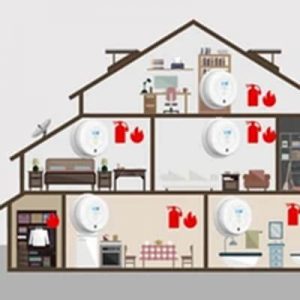
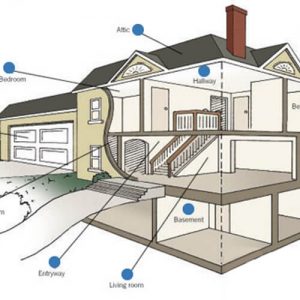
NFPA recommends installing CO alarms in a central location outside each sleeping area and on every level of the home, plus other locations required by local regulations.
For home safety planning, common placement areas include:
- outside bedrooms
- near living spaces
- on each floor of the house
- near heating equipment when appropriate under product instructions and local code
Always follow the product manual and local regulations for exact installation distance and height.
What to Do If the Alarm Sounds
If a carbon monoxide poisoning alarm goes off, act immediately. NFPA says you should move to a fresh-air location outdoors or by an open window or door and make sure everyone is accounted for.
A practical response plan is:
- Open doors and windows if it is safe to do so.
- Move everyone to fresh air immediately.
- Do not ignore the alarm or assume it is a false alert.
- Call emergency services or qualified professionals for inspection.
- Do not re-enter until the area is confirmed safe.
Home Safety Is About Prevention, Not Regret
Many families only understand the value of a carbon monoxide poisoning alarm after a painful accident. But true safety starts before the emergency happens. A detector or alarm is a small product compared with the value of a life, a parent, or a child.
For homeowners, landlords, importers, distributors, and safety project buyers, carbon monoxide detection remains a meaningful category in the broader home safety market. Families want simpler, clearer, and more reliable protection. A well-designed carbon monoxide poisoning alarm answers that need with direct value: early detection, fast warning, and better protection for indoor spaces.
Winter should be a season of warmth, not silent danger. Carbon monoxide incidents often happen in ordinary homes during ordinary daily life. That is exactly why prevention matters.
Installing a carbon monoxide poisoning alarm is a practical step toward safer living. It helps protect elderly parents at home, children in bedrooms, and every family member who deserves a safer indoor environment. For family safety, this is not a product people should wait to consider after an accident. It is a product worth installing before danger arrives.
Choose prevention. Choose warning. Choose a safer home with a reliable carbon monoxide poisoning alarm.