
Why a Stand Alone Carbon Monoxide Detector Matters in Winter?
When winter arrives, families focus on staying warm. They use coal stoves, gas water heaters, fireplaces, and other heating devices more often. At the same time, the risk of carbon monoxide exposure rises. That is why a stand alone carbon monoxide detector becomes an important part of home safety during the cold season.
Carbon monoxide is dangerous because people cannot see it, smell it, or taste it. It can build up indoors when fuel does not burn completely or when ventilation is poor. A family may feel comfortable and safe at home, yet hidden danger may already be in the room. This is exactly why more households now choose a stand alone carbon monoxide detector as a simple and practical safety solution.
In many communities, winter safety campaigns now include detector installation and public education. Staff members visit homes, explain the alarm function, and teach residents how to respond if the device sounds. This kind of local action does more than install a product on the wall. It gives families confidence, improves safety awareness, and helps reduce avoidable accidents during the heating season.

Why winter creates a higher carbon monoxide risk
Winter changes daily habits. People close doors and windows to keep warm. They use heating appliances for longer hours. In some homes, residents rely on coal stoves or other combustion-based devices for heat. If smoke pipes leak, equipment ages, or ventilation drops, carbon monoxide can collect indoors.
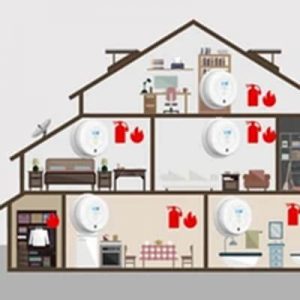
This risk becomes even greater in rural homes, older buildings, temporary housing, and small enclosed spaces. A stand alone carbon monoxide detector helps solve this problem by monitoring the air continuously. Instead of waiting for symptoms, families receive an earlier warning and can act faster.
That is one of the biggest advantages of a stand alone carbon monoxide detector. It works as a daily safety guard, especially when people sleep, rest, or stay indoors for long periods in winter.
How a stand alone carbon monoxide detector helps protect families
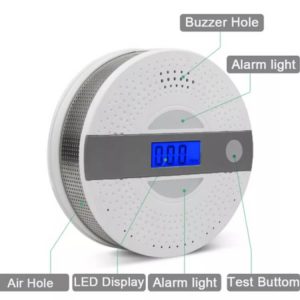
A stand alone carbon monoxide detector monitors the carbon monoxide concentration in the air. When the gas level rises above a set threshold, the unit triggers an audible alarm. That sound warns people to ventilate the room, leave the dangerous area, and take the next safety steps immediately.
For many households, this early warning matters a lot. Carbon monoxide poisoning often develops quietly. Some people only notice headache, dizziness, fatigue, nausea, or confusion after exposure begins. By then, the situation may already be serious. A stand alone carbon monoxide detector gives a clearer and faster signal than human senses ever can.
For families that use coal stoves, gas heaters, water heaters, or fireplaces, this device adds another layer of protection. It also supports safer daily living for children, older adults, and anyone who may not recognize early symptoms quickly.
A practical winter safety solution for home heating
In winter, people want warmth without worry. That is why a stand alone carbon monoxide detector fits real home-heating needs. It is easy to understand, easy to install, and easy to use in daily life.
After installation, residents do not need complex training. They only need to know a few key points:
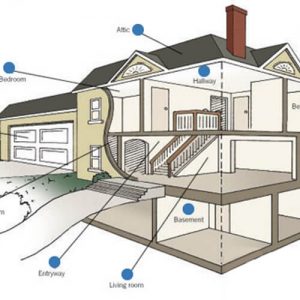
- Keep the detector in the right location according to product guidance
- Test it regularly
- Learn the meaning of the alarm sound
- Open doors and windows quickly if the alarm activates
- Move to fresh air and avoid re-entering until the area is safe
This simple routine can make a big difference. When safety tools are easy to use, more families keep using them correctly over time. That practical value makes the stand alone carbon monoxide detector a strong choice for households, housing projects, community programs, and safety distributors.
Community installation improves both safety and awareness
Installing alarms in homes is important, but education matters just as much. In many winter outreach efforts, staff members do not just mount the detector and leave. They explain the principle of carbon monoxide detection, show how the alarm works, and teach families how to respond calmly and correctly.
This approach brings two benefits. First, it helps people trust and use the product. Second, it spreads safety knowledge from one home to another. Villagers, homeowners, tenants, and family members start paying more attention to ventilation, fire use, electrical safety, and appliance maintenance.
A stand alone carbon monoxide detector becomes more effective when users understand it well. That is why installation plus education creates a stronger safety result than installation alone.
Where a stand alone carbon monoxide detector works best
A stand alone carbon monoxide detector is a smart choice for many indoor environments, especially in winter. Common application areas include:
- Homes with coal stoves
- Houses with gas water heaters
- Apartments with fuel-burning appliances
- Rural homes during the heating season
- Small indoor spaces with limited ventilation
- Rental properties and residential projects
- Community safety upgrade programs
For distributors and project buyers, this creates steady demand in both consumer and institutional markets. Home safety remains a long-term concern, and winter heating adds a strong seasonal buying reason.
What buyers should look for
Not every alarm creates the same user experience. When choosing a stand alone carbon monoxide detector, buyers often look for:
- Stable carbon monoxide detection
- Clear audible alarm
- Easy wall installation
- Reliable daily operation
- User-friendly design
- Suitable application for household heating environments
For B2B buyers, clear instructions, consistent quality, and practical installation design also matter. Products that are simple for end users often perform better in real applications because they reduce confusion and improve proper use.
Why this product matters for modern home safety
Home safety no longer depends only on locks, cameras, or fire extinguishers. Air safety now plays a bigger role, especially in colder months. A stand alone carbon monoxide detector fills that need with a focused and practical function.
It helps families heat their homes more confidently. It supports communities that want to reduce winter accidents. It gives distributors and safety brands a product that fits seasonal demand and everyday use. Most importantly, it helps turn invisible danger into a clear warning before the situation becomes critical.
For households that use coal, gas, wood, or other indoor heating sources, adding a stand alone carbon monoxide detector is not just a product upgrade. It is a smarter safety habit for winter living.
Final thoughts
There is no small matter when family safety is involved. Winter heating should bring comfort, not hidden risk. A stand alone carbon monoxide detector gives families a practical way to detect danger early, respond faster, and create a safer indoor environment.
As more communities promote winter safety and more households pay attention to carbon monoxide prevention, the value of a stand alone carbon monoxide detector continues to grow. It is simple, effective, and highly relevant for modern home heating protection.
If your goal is to improve winter home safety, reduce carbon monoxide risk, and give residents greater peace of mind, a stand alone carbon monoxide detector is a smart place to start.