
Why Every Home Needs a Carbon Monoxide Alarm in Winter?
Winter brings comfort, but it also brings hidden danger. Many families rely on gas boilers, heaters, fireplaces, or other fuel-burning equipment to stay warm. These systems make daily life more comfortable, yet they can also create a serious indoor risk: carbon monoxide.
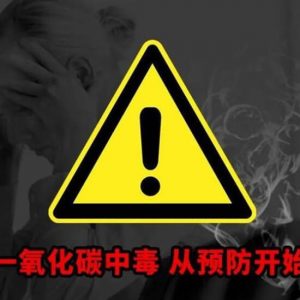
Carbon monoxide is dangerous because people cannot see it, smell it, or taste it. When heating equipment fails, vents get blocked, or indoor airflow becomes poor, carbon monoxide can build up quickly. Without a carbon monoxide alarm, families may not notice the problem until the situation becomes critical. Health Canada advises homeowners to test carbon monoxide alarms regularly, replace batteries as recommended, and replace the device when it reaches its expiry date. NFPA safety guidance also recommends regular testing and timely replacement when alarms fail or reach end of life.
A tragic winter case reminds us why this matters. An elderly couple in Orleans experienced carbon monoxide poisoning at home after pet hair blocked the vent of their gas boiler. Reports about the case state that the alarm battery had been removed, which left the home without an effective warning when carbon monoxide levels rose. Public discussions of the incident focused on blocked venting, alarm maintenance, and the danger of ignoring repeated warning sounds.
This story carries a clear message: a home heating system alone does not protect a family. Safe living depends on regular equipment checks, clean vents, and a working carbon monoxide alarm.

Why a carbon monoxide alarm matters
A carbon monoxide alarm gives families an early warning before carbon monoxide reaches a deadly level. That early warning can create the time people need to open windows, leave the building, and call for help. Without that alert, people may stay inside because carbon monoxide does not create obvious signs in the room itself.
Many homeowners still underestimate the role of a carbon monoxide alarm. Some people treat alarm sounds as a nuisance. Others remove the battery after repeated beeping. That decision can turn a preventable problem into a life-threatening emergency. Health Canada specifically recommends testing CO alarms regularly, replacing batteries as directed, and checking the expiry date on the unit. Canada’s Healthy Home Guide also recommends certified smoke and CO alarms, especially near sleeping areas and on each floor.
Common causes of carbon monoxide buildup in winter
Winter increases the risk of indoor carbon monoxide exposure because homes stay closed for longer periods and heating systems run more often. Several conditions can increase danger:
Blocked vents
Pet hair, dust, debris, snow, or ice can block vents and exhaust paths. Once the vent path narrows or closes, harmful gases may flow back indoors instead of leaving the house. Natural Resources Canada warns that combustion appliances require proper venting and that smoke and CO alarms should be used whenever these appliances are present.
Poor equipment maintenance
A boiler, furnace, or water heater needs regular inspection and cleaning. Small maintenance issues can grow into major safety risks during peak winter use.
Removed batteries or expired alarms
An alarm cannot protect anyone if the battery is missing or the unit has already expired. Health Canada states that users should replace batteries and the alarm itself as recommended by the manufacturer.
Ignoring warning sounds
People sometimes confuse an alert with a malfunction and silence the device without checking the source of danger. That mistake removes the most important line of protection in the home.
How to prevent carbon monoxide poisoning at home
Every household should follow a simple winter safety routine.
1. Install a certified carbon monoxide alarm
Choose a certified carbon monoxide alarm that meets local safety requirements. Place alarms on every level of the home, especially near sleeping areas. Health Canada and Canada’s public health guidance both recommend certified CO alarms and regular testing.
2. Test the alarm regularly
Press the test button on schedule. Make alarm testing part of monthly home maintenance. NFPA recommends testing CO alarms at least once a month.
3. Replace batteries on time
Do not wait for repeated low-battery signals. Replace batteries as the manufacturer recommends and write the installation date on the battery or device. Health Canada explicitly recommends this habit.
4. Replace expired alarms
A carbon monoxide alarm does not last forever. Sensors have a limited service life, so every family should check the expiry date and replace outdated units.
5. Keep vents and exhaust paths clear
Inspect exterior vents often during winter. Remove snow, pet hair, leaves, and other debris. A clean vent path helps keep combustion gases moving out of the home.
6. Service boilers and heating systems regularly
Schedule inspection and cleaning before or during the heating season. Professional maintenance helps reduce hidden risk and improve long-term performance.
7. Never ignore an alarm
If a smoke and carbon monoxide alarm sounds, take it seriously. Move people to fresh air first. Then contact emergency services or a qualified technician.
Why combined protection makes sense
A smoke and carbon monoxide alarm offers dual protection in one unit. It helps homeowners reduce product clutter while improving household safety coverage. For families, landlords, property managers, and housing projects, this option can make installation and maintenance easier.
A combined alarm also supports better home safety awareness. Instead of treating smoke risk and CO risk as separate issues, users can protect against both with one device. In homes that use boilers, gas heaters, fireplaces, or attached garages, this kind of protection becomes even more valuable.
A winter home should feel warm, not dangerous. The loss of life in a carbon monoxide incident often starts with a small and preventable problem: a blocked vent, poor maintenance, or a disabled alarm. These details may seem minor at first, but they can lead to devastating results.
A reliable carbon monoxide alarm is not just another household accessory. It is an essential layer of home protection. If you want to reduce winter risk, start with the basics: keep vents clear, maintain your heating equipment, test your alarms, and replace batteries and expired units on time.
When families act early, they protect not only their homes but also the people inside them.