How Fast Can Carbon Monoxide Poisoning Become Fatal?
Carbon monoxide poisoning can become fatal very quickly. The exact time depends on the gas concentration, room ventilation, exposure time, age, and health condition. High levels in a closed space can lead to collapse or death before a person fully understands the danger. The CDC notes that common symptoms include headache, dizziness, weakness, nausea, vomiting, chest pain, and confusion, and high exposure can cause unconsciousness or death.

Why Carbon Monoxide Poisoning Is So Dangerous
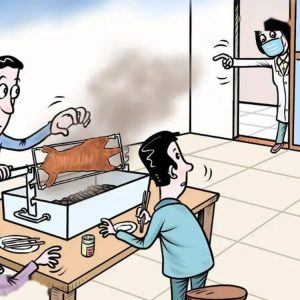
Carbon monoxide is a colorless and odorless gas. Many people do not notice it until symptoms begin. Early discomfort may feel like the flu, but continued exposure can quickly become life-threatening. Older adults, children, sleeping people, and those with underlying health issues often face higher risk. If exposure is suspected, move to fresh air at once and seek emergency medical care immediately.
A Smarter Way to Prevent CO Risk
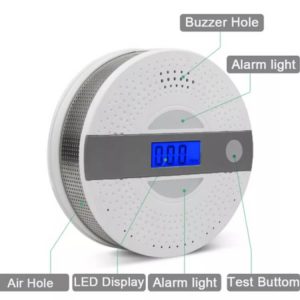
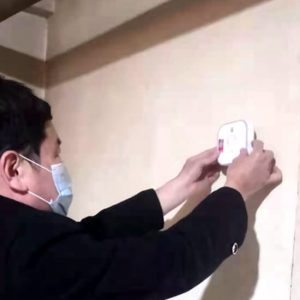
Prevention matters more than guessing how long exposure may last. Installing mini carbon monoxide detectors at home, in offices, bedrooms, hallways, and other enclosed spaces adds an important layer of protection. NFPA and CPSC guidance recommends carbon monoxide alarms outside sleeping areas and on every level of the home, while EPA notes that each floor needs a separate detector.
If you want a compact solution for daily safety, mini carbon monoxide detectors help detect danger early and support faster action. For families, landlords, hotels, and workplaces, a reliable carbon monoxide detector is a simple step that can reduce risk and improve peace of mind. Choosing the right mini carbon monoxide detectors is a practical way to strengthen indoor safety before an emergency starts.