Why Are Smart CO and Smoke Detectors Essential for Modern Safety?
Why Are Smart CO and Smoke Detectors Important Today?
Smart CO and smoke detectors are intelligent safety devices that detect carbon monoxide and smoke while sending instant alerts through alarms and mobile notifications.
Homeowners and business operators now face greater safety risks from hidden gas leaks, electrical fires, and faulty heating systems. Traditional alarms only provide local alerts. However, smart CO and smoke detectors deliver faster warnings, mobile connectivity, and real-time monitoring that improve response time and reduce damage.
Carbon monoxide remains one of the most dangerous household threats. It has no smell, no color, and no taste. People often notice symptoms only after exposure becomes severe. At the same time, smoke from electrical faults or kitchen fires can spread rapidly through homes and commercial buildings.
This is why installing smart CO and smoke detectors has become essential for modern safety planning. These devices protect families, employees, equipment, and property every day.
What Is Carbon Monoxide and Why Is It Dangerous?
Carbon monoxide forms during incomplete combustion. Many common appliances can release it into indoor air.
Common sources include:
- Gas stoves
- Furnaces
- Fireplaces
- Water heaters
- Charcoal grills
- Generators
- Gas-powered equipment
Poor ventilation increases the danger. Small indoor spaces can quickly trap carbon monoxide gas.
Exposure symptoms often include:
- Headaches
- Dizziness
- Nausea
- Fatigue
- Confusion
- Breathing problems
High exposure levels may cause unconsciousness or death within minutes.
Because people cannot detect carbon monoxide naturally, smart CO and smoke detectors provide critical protection through continuous monitoring.
How Do Smart CO and Smoke Detectors Work?
Modern smart CO and smoke detectors use advanced sensors to monitor air quality and smoke particles continuously.
When dangerous levels appear, the system immediately activates:
- Loud warning alarms
- Flashing LED indicators
- Smartphone notifications
- Smart home alerts
- Emergency integrations
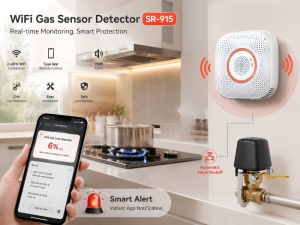
Many smart systems connect with mobile apps. Users can monitor conditions even while traveling.
Advanced models also support:
- Wi-Fi connectivity
- Voice assistant integration
- Battery monitoring
- Self-testing functions
- Multi-room synchronization
These features make smart CO and smoke detectors more reliable than conventional standalone alarms.

Why Traditional Alarms No Longer Provide Enough Protection
Traditional smoke alarms still help detect fire hazards. However, they lack modern communication features.
Basic alarms usually:
- Alert only nearby occupants
- Provide no remote notifications
- Require manual testing
- Offer limited sensor accuracy
Modern buildings require faster response systems. Delayed warnings can increase injuries and property damage.
By comparison, smart CO and smoke detectors provide immediate updates across connected devices. Families and facility managers receive alerts even when nobody stays on-site.
This advantage becomes extremely valuable for:
- Vacation homes
- Warehouses
- Restaurants
- Hotels
- Offices
- Rental properties
Key Benefits of Smart CO and Smoke Detectors
Early Hazard Detection
Fast detection saves lives. Early warnings give occupants enough time to evacuate safely.
Modern sensors identify risks before smoke or carbon monoxide reaches dangerous levels.
Real-Time Mobile Alerts
Smart devices send notifications directly to smartphones. Users stay informed wherever they are.
This feature improves emergency response dramatically.
Continuous Monitoring
Unlike older systems, smart CO and smoke detectors monitor environments 24 hours daily.
Continuous protection reduces unnoticed safety risks.
Smart Home Integration
Many systems connect with:
- Alexa
- Google Home
- Security platforms
- Automated ventilation systems
Integrated systems improve overall building safety.
Lower Maintenance Risks
Modern devices automatically perform self-checks and battery monitoring.
Users receive maintenance reminders immediately.
Multi-Device Connectivity
Interconnected alarms activate together. If one detector senses danger, every connected unit sounds simultaneously.
This feature improves evacuation speed significantly.
Best Installation Locations for Smart CO and Smoke Detectors
Correct placement improves detection accuracy and response speed.
Recommended locations include:
Bedrooms
Install detectors near sleeping areas. People remain most vulnerable during sleep.
Hallways
Hallway placement helps monitor airflow between rooms.
Kitchens
Install nearby but not directly above cooking appliances to reduce false alarms.
Living Rooms
Heating systems and fireplaces often increase carbon monoxide risks.
Basements
Fuel-burning equipment commonly operates in basement areas.
Commercial Kitchens
Restaurants and food facilities need reliable monitoring near gas-powered equipment.
Warehouses and Factories
Industrial environments often contain combustion equipment and electrical systems.
Proper placement ensures smart CO and smoke detectors provide maximum protection throughout the building.
Why Businesses Need Smart CO and Smoke Detectors
Commercial environments face higher operational risks than residential properties.
Restaurants, hotels, factories, and warehouses often use:
- Gas-powered appliances
- Boilers
- Industrial heaters
- Electrical machinery
These systems increase fire and carbon monoxide risks.
Business owners also face legal and insurance responsibilities. Installing reliablesmart CO and smoke detectors helps reduce liability while improving workplace safety compliance.
Commercial advantages include:
- Faster emergency response
- Reduced downtime
- Asset protection
- Employee safety
- Insurance benefits
- Centralized monitoring
For many industries, smart detection systems now represent a basic operational requirement.
Smart Features That Improve Safety
Remote Access
Users can monitor alarms remotely through mobile applications.
This feature benefits property managers and multi-site businesses.
Voice Notifications
Advanced systems announce hazard types and locations clearly.
Voice alerts reduce confusion during emergencies.
Self-Testing Technology
Automatic diagnostics improve reliability and reduce maintenance failures.
Battery Backup Systems
Power outages often occur during emergencies. Backup batteries maintain continuous operation.
Cloud Connectivity
Cloud-based systems store event history and maintenance records.
Facility managers can review safety performance easily.
Common Mistakes When Installing Smart CO and Smoke Detectors
Improper installation reduces effectiveness significantly.
Avoid these common mistakes:
Installing Near Windows
Strong airflow may disrupt accurate detection.
Mounting Too Close to Bathrooms
Steam can trigger false alarms.
Ignoring Maintenance
Dirty sensors reduce detection accuracy.
Using Expired Devices
Most detectors require replacement every 7–10 years.
Installing Only One Detector
Single-device coverage leaves dangerous blind spots.
Placing Devices Behind Furniture
Blocked airflow slows sensor response.
Correct installation helps smart CO and smoke detectors operate efficiently in every environment.
How Smart Detection Supports Modern Smart Homes
Smart homes depend heavily on automation and connected technology.
Modern smart CO and smoke detectors integrate with broader security ecosystems, including:
- CCTV systems
- Smart locks
- HVAC systems
- Emergency lighting
- Mobile security apps
When smoke or carbon monoxide appears, automation systems can:
- Unlock exits
- Activate ventilation
- Turn on lights
- Notify emergency contacts
These features create faster and safer emergency responses.
Why Carbon Monoxide Incidents Increase During Winter
Winter creates higher carbon monoxide risks because heating systems operate more frequently.
People also close windows and reduce ventilation during cold weather.
Common winter hazards include:
- Portable heaters
- Indoor charcoal burning
- Fireplace use
- Generator operation
- Furnace malfunctions
Installing smart CO and smoke detectors before winter greatly reduces seasonal risks.
What to Look for When Buying Smart CO and Smoke Detectors
Choosing the right detector improves long-term reliability.
Important features include:
Certified Safety Standards
Look for certifications such as:
- CE
- EN standards
- RoHS
- ISO quality systems
Sensor Accuracy
High-quality sensors reduce false alarms while improving response speed.
Wireless Connectivity
Wi-Fi and app integration improve monitoring convenience.
Long Battery Life
Reliable backup power supports continuous protection.
Interconnect Capability
Connected alarms provide stronger building-wide safety.
Mobile Notifications
Real-time alerts improve emergency awareness.
Selecting certified smart CO and smoke detectors ensures dependable performance in residential and commercial environments.
Why Smart Detectors Improve Emergency Response
Emergency response time often determines survival outcomes.
Smart systems reduce delays through:
- Instant notifications
- Faster evacuation
- Remote awareness
- Multi-device alerts
- Automated emergency actions
These improvements help minimize injuries and property damage.
For businesses, faster response also reduces operational losses.
Future Trends in Smart CO and Smoke Detectors
Safety technology continues advancing rapidly.
Future smart detectors may include:
- AI-powered risk analysis
- Predictive maintenance
- Air quality monitoring
- Enhanced sensor precision
- Smart evacuation guidance
- Cloud-based building analytics
These innovations will make smart CO and smoke detectors even more valuable in homes and workplaces.
Carbon monoxide and fire hazards can appear without warning. Early detection remains the best defense against serious injury and property loss.
Modern smart CO and smoke detectors provide advanced protection through real-time monitoring, instant alerts, and smart connectivity. They help families sleep safely and allow businesses to operate with greater confidence.
Whether protecting a small apartment, a restaurant kitchen, or a large industrial facility, investing in reliable smart CO and smoke detectors remains one of the smartest safety decisions available today.
By installing high-quality smart detection systems and placing them correctly, property owners can significantly reduce risks while creating safer environments for everyone.
FAQ:
1. What are smart CO and smoke detectors?
Smart CO and smoke detectors are intelligent safety devices designed to detect carbon monoxide and smoke while sending instant alerts through loud alarms, LED indicators, mobile notifications, and smart home systems. They help protect homes, offices, rental properties, restaurants, hotels, warehouses, and commercial buildings.
2. Why are smart CO and smoke detectors important today?
Smart CO and smoke detectors are important because modern homes and businesses face hidden risks from carbon monoxide, electrical fires, faulty heating systems, kitchen fires, and gas-powered equipment. Unlike traditional alarms, smart detectors can provide real-time alerts, remote monitoring, and faster emergency response.
3. What dangers can smart CO and smoke detectors detect?
They can detect carbon monoxide buildup and smoke particles caused by fire risks. Carbon monoxide may come from gas stoves, furnaces, fireplaces, water heaters, charcoal grills, generators, and gas-powered equipment. Smoke may come from electrical faults, kitchen fires, overheated appliances, or burning materials.
4. How do smart CO and smoke detectors work?
Smart CO and smoke detectors use advanced sensors to monitor air conditions continuously. When dangerous CO levels or smoke particles are detected, the device activates loud alarms, flashing indicators, smartphone alerts, smart home notifications, and sometimes emergency integrations.
5. How are smart detectors different from traditional alarms?
Traditional alarms usually only alert people nearby. Smart detectors provide stronger protection by sending mobile notifications, supporting Wi-Fi connectivity, monitoring battery status, offering self-testing functions, connecting multiple rooms, and integrating with smart home or security systems.
6. Where should smart CO and smoke detectors be installed?
They should be installed near bedrooms, hallways, living rooms, kitchens, basements, commercial kitchens, warehouses, factories, boiler rooms, and areas with fuel-burning equipment. They should not be placed too close to windows, bathrooms, strong airflow, or behind furniture, because these locations may affect detection accuracy.
7. Why do businesses need smart CO and smoke detectors?
Businesses need smart CO and smoke detectors to improve employee safety, protect assets, reduce downtime, support compliance, and respond faster to emergencies. They are especially useful for restaurants, hotels, factories, warehouses, rental properties, offices, and multi-site facilities that need remote monitoring and centralized safety management.
8. What features should buyers look for in smart CO and smoke detectors?
Buyers should look for certified safety standards, accurate sensors, Wi-Fi or app connectivity, loud alarm output, long battery life, battery backup, interconnect capability, mobile notifications, self-testing functions, and stable product quality. For B2B buyers, OEM/ODM support, packaging customization, technical support, and reliable supply are also important.
If you need reliable smart CO and smoke detectors for homes, apartments, hotels, restaurants, offices, warehouses, or commercial safety projects, choose SUMRING. We support stable product quality, smart connectivity options, OEM/ODM service, packaging customization, and long-term supply cooperation. Contact SUMRING today for product details and quotation support.