
Why a CO Gas Detector Is Essential for Home and Business Safety?
Carbon monoxide is one of the most dangerous hidden threats in daily life. You cannot see it. You cannot smell it. You cannot taste it. Yet it can build up quickly and put families, workers, and property at serious risk. The Centers for Disease Control and Prevention states that carbon monoxide, or CO, is a poisonous gas that can cause headache, dizziness, weakness, nausea, confusion, loss of consciousness, and even death. People who are asleep or impaired may not notice symptoms before the danger becomes severe.
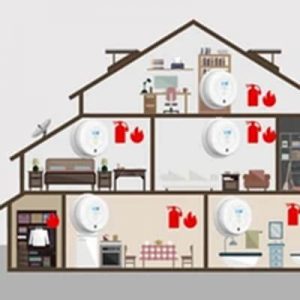
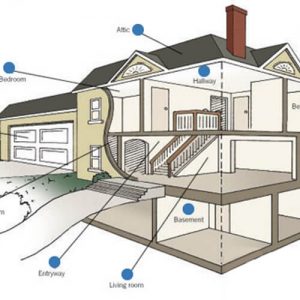
That is why prevention matters far more than late response. A reliable co gas detector gives people an early warning before carbon monoxide reaches a more dangerous level. For homes, rental properties, kitchens, boiler rooms, small shops, and other enclosed spaces, early detection can make a critical difference. The National Fire Protection Association recommends installing carbon monoxide alarms outside each sleeping area and on every level of the home. NFPA materials also stress following the manufacturer’s instructions and local code requirements for placement.
Why carbon monoxide remains a real risk
Carbon monoxide forms when fuels such as gas, oil, wood, coal, or charcoal do not burn completely. In real life, this risk often appears in everyday situations: using fuel-burning water heaters, operating cooking equipment in poorly ventilated areas, burning charcoal indoors, running engines in closed or semi-closed spaces, or using fuel-powered equipment too close to occupied areas. CDC guidance also warns that portable generators and other combustion sources can create dangerous CO exposure if used improperly.
Many people still underestimate the threat because CO does not announce itself. Symptoms can feel like the flu at first, which makes the situation even more dangerous. According to CDC, common symptoms include headache, dizziness, weakness, upset stomach, vomiting, chest pain, and confusion. At high levels, carbon monoxide can cause unconsciousness or death within a short time. NFPA also notes that high levels of CO can be fatal within minutes.

Common situations that require a co gas detector
A co gas detector is especially important in places where combustion equipment is used or ventilation may be limited. Typical examples include:
- Family kitchens
- Apartments and bedrooms near fuel-burning appliances
- Closed cooking shops
- Boiler rooms and utility rooms
- Small restaurants and food preparation spaces
- Garages or enclosed work areas
- Holiday cabins or temporary indoor heating environments
In these spaces, a carbon monoxide leak may spread before people notice any warning sign. A detector adds a visible and audible layer of protection that supports faster action.
What a co gas detector does
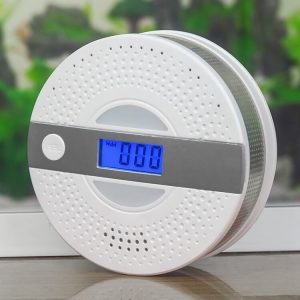
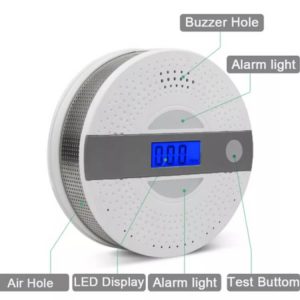
A co gas detector continuously monitors indoor air and activates an alarm when carbon monoxide reaches a dangerous threshold. This early alert helps people leave the area, improve ventilation if it is safe to do so, and seek emergency help sooner. CDC and NIOSH both emphasize immediate movement to fresh air when CO exposure is suspected or when symptoms appear.
For distributors, importers, contractors, and project buyers, this product category also answers a growing market need. Recent market reports project continued growth in the carbon monoxide alarm segment over the next several years, reflecting stronger safety awareness and broader adoption across residential and commercial settings.
Where to install a co gas detector
Correct placement improves performance. In residential settings, NFPA recommends installing carbon monoxide alarms outside each separate sleeping area and on every level of the home. Additional placement should follow product instructions and local regulations. In commercial or mixed-use environments, installers should place detectors in areas where fuel-burning equipment operates or where carbon monoxide could accumulate.
For practical planning, consider installing a co gas detector in:
- Bedrooms or hallways near sleeping areas
- Kitchens using gas appliances
- Rooms with water heaters or boilers
- Enclosed shops with cooking or heating equipment
- Utility areas with combustion-based systems
How to choose the right co gas detector
When selecting a co gas detector, buyers usually focus on several points:
Reliable sensing performance
The detector should provide stable, accurate monitoring in everyday use.
Clear alarm output
A strong sound alarm and visible indicator help people react faster, especially at night or in busy work areas.
Easy installation
Simple wall mounting or plug-in options support wider adoption in homes and projects.
Suitable application range
Residential buyers often need compact products for homes or apartments, while commercial buyers may need devices for kitchens, shops, or facilities.
Compliance and product consistency
For B2B buyers, consistent quality, documentation, and OEM/ODM support can be just as important as the detector itself.
Prevention is always better than regret
Carbon monoxide incidents often begin with ordinary daily behavior. A water heater that has not been checked, a poorly ventilated kitchen, indoor charcoal use, or combustion equipment in a closed area can all create serious danger. Because carbon monoxide is invisible and odorless, people should not rely on feeling alone. They need a dependable warning device in the right place. CDC and NFPA both emphasize prevention, proper alarm placement, and fast action when exposure is suspected.
A co gas detector is not just another electronic device. It is an active safety tool for homes, shops, and workplaces. It supports early warning, reduces response time, and helps protect both people and property. For modern indoor safety planning, that makes it a practical and necessary investment.