

31
2026-03

How to Prevent Carbon Monoxide Poisoning in the Family?
Carbon monoxide poisoning prevention means reducing CO risks through safe appliance use, proper ventilation, regular maintenance, and reliable carbon monoxide alarms. Carbon monoxide poisoning prevention should be a basic safety priority for every family. Carbon monoxide, also called CO, is dangerous because people cannot see it, smell it, or taste it. It can come from fuel-burning appliances, heating equipment, coal fires, gas water heaters, fireplaces, generators, and vehicle exhaust. When CO builds up indoors, it can affect people quickly and may become life-threatening without warning. Health authorities explain that common symptoms of carbon monoxide poisoning include headache, dizziness, weakness, upset stomach, vomiting, chest pain, and confusion. In severe cases, high exposure can cause loss of consciousness or death. People who are sleeping may not notice symptoms in time, which makes early warning especially important. For this reason, carbon monoxide poisoning prevention should never depend on human senses alone. A safer family protection plan should combine correct equipment use, proper ventilation, regular inspection, and a dependable carbon monoxide alarm. Why Is Carbon Monoxide Dangerous at Home? Carbon monoxide is produced when fuel does not burn completely. This can happen with gas, coal, charcoal, wood, propane, gasoline, or other fuels. In daily......
30
2026-03

How Do You Choose the Best Carbon Monoxide Detector for Your Home?
30
2026-03
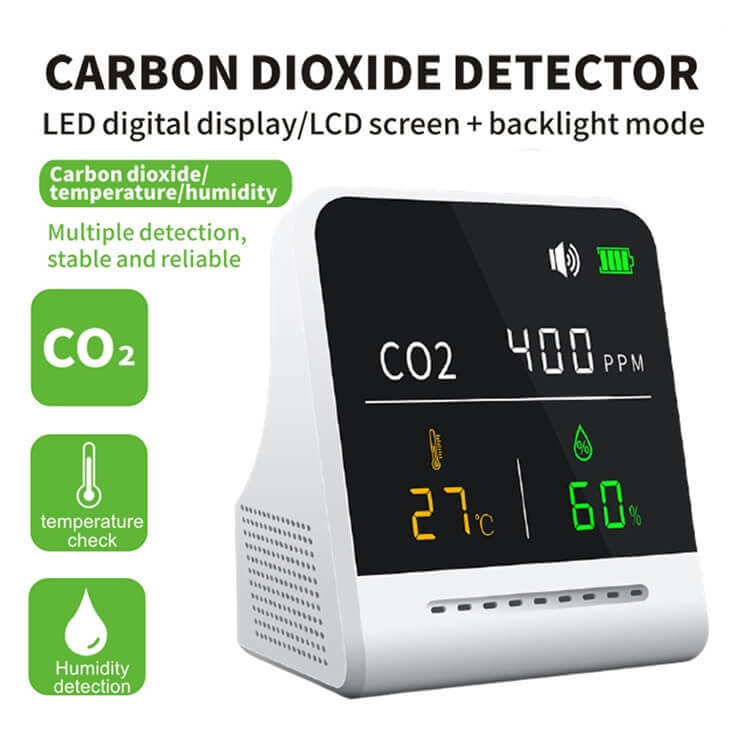
What Is a Carbon Dioxide Alarm Detector and Why Does Your Site Need One?
30
2026-03
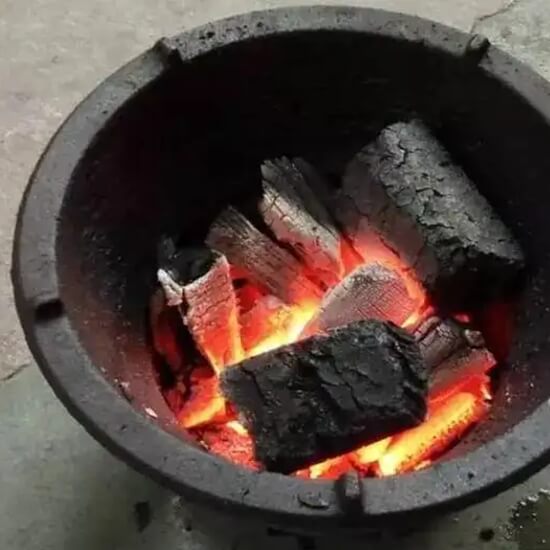
Why Does Every Home Need a Carbon Monoxide Poisoning Alarm in Winter?
A carbon monoxide poisoning alarm is a safety device that detects dangerous carbon monoxide levels indoors and alerts people before exposure becomes life-threatening. Winter is a season of warmth, family, and indoor comfort. People close windows, use heating equipment longer, and spend more time inside. However, the same habits that make a home feel warm can also create a hidden risk: carbon monoxide buildup. Carbon monoxide is dangerous because it cannot be seen, smelled, or tasted. Families may not notice it until symptoms appear, and in some cases, people who are sleeping may be affected before they recognize any warning signs. The CDC lists common symptoms of carbon monoxide poisoning as headache, dizziness, weakness, upset stomach, vomiting, chest pain, and confusion, and warns that sleeping people can die before symptoms appear. That is why installing a carbon monoxide poisoning alarm is not just a home improvement decision. It is a practical safety step for winter living. Why Carbon Monoxide Risk Increases in Winter Carbon monoxide often comes from incomplete combustion. Common sources include charcoal, coal, wood, gas heaters, fireplaces, furnaces, gas water heaters, stoves, generators, and vehicle exhaust. When these devices are used in poorly ventilated spaces, carbon monoxide can......
30
2026-03
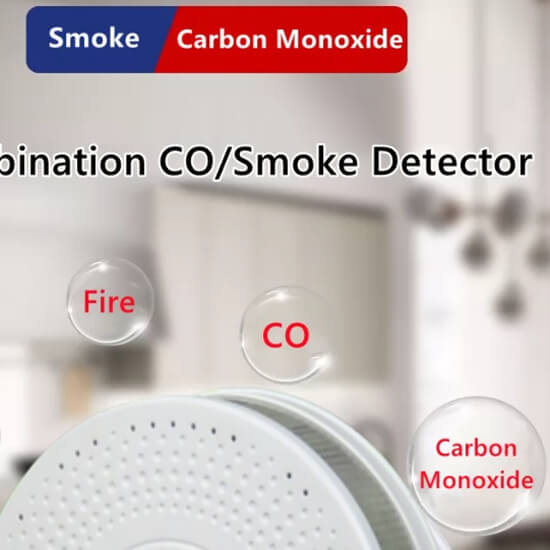
Why Does a Stand Alone Carbon Monoxide Detector Matter in Winter?
26
2026-03
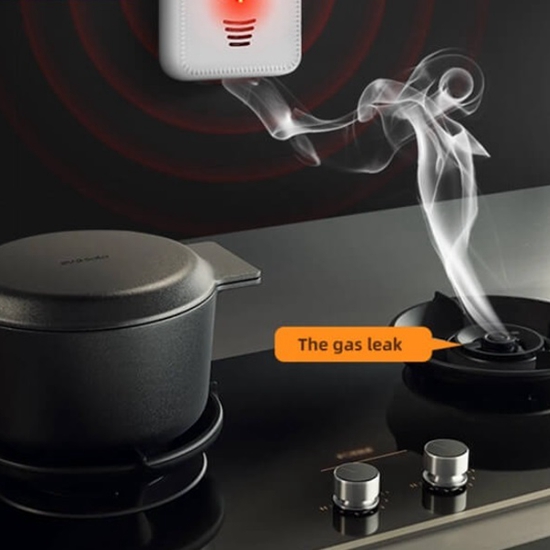
Why Is a Combined CO Detector Natural Gas Alarm a Smarter Choice?
A combined CO detector natural gas alarm is a dual-function safety device designed to detect both carbon monoxide and natural gas leakage in one compact alarm unit. Home gas safety is no longer only about detecting one danger. In many indoor spaces, natural gas leakage and carbon monoxide exposure may both become serious risks. Kitchens, apartments, rental houses, hotels, dormitories, and small commercial buildings often use gas appliances every day. When gas pipes, stoves, boilers, heaters, or ventilation systems fail, danger can appear quickly and quietly. This is why more homeowners, landlords, distributors, and project buyers are choosing a combined CO detector natural gas alarm instead of relying only on a single-function detector. One device can monitor two common gas hazards, making safety protection simpler, more practical, and easier to promote in the market. Why Single Gas Detection May Not Be Enough Many people believe that one gas alarm can solve all gas safety problems. In reality, different gases create different risks. A natural gas detector mainly focuses on combustible gas leakage, especially methane. Natural gas leaks may happen because of damaged pipes, loose connections, faulty valves, aging appliances, or incorrect installation. If gas accumulates indoors, it can create fire......
26
2026-03
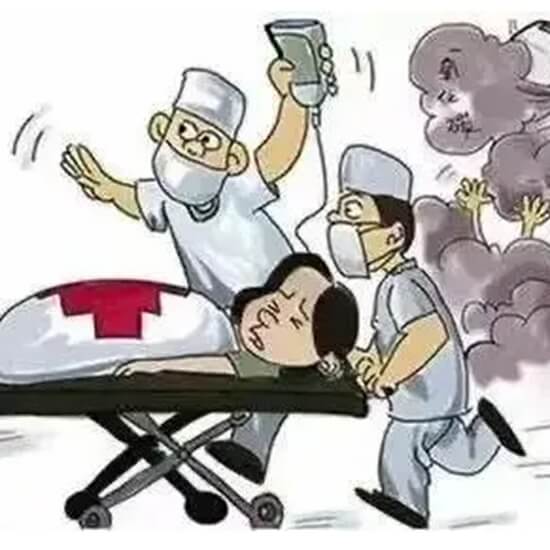
What Is the Best Carbon Monoxide Detector and Smoke Alarm for Homes?
26
2026-03
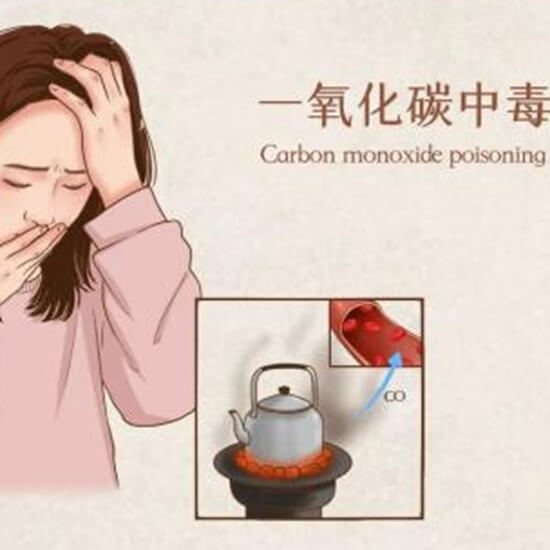
How Long Does Carbon Monoxide Stay in the Body?
26
2026-03
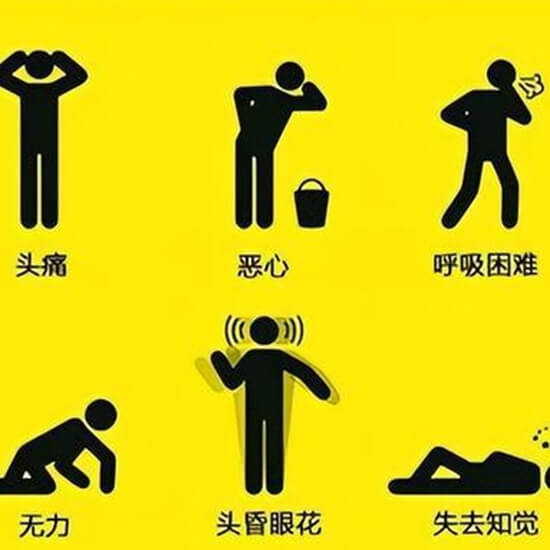
Why Is a CO Gas Detector Essential for Home and Business Safety?
25
2026-03
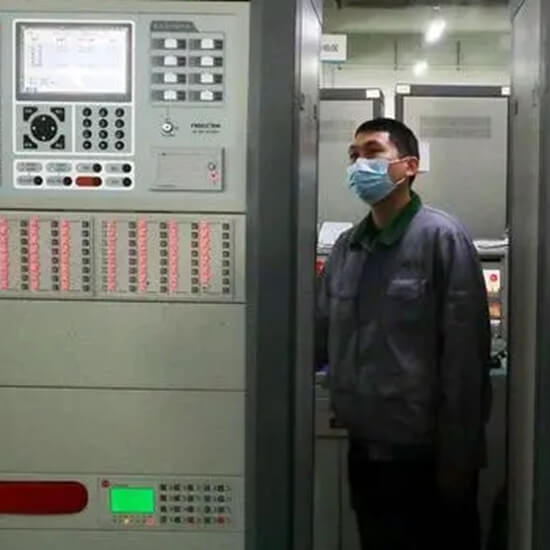
What Are Automatic Fire Alarm System Regulations for Safer Projects?
Automatic fire alarm system regulations are design, installation, compatibility, capacity, and control requirements that help a fire alarm system detect fire early, warn people quickly, and support reliable emergency response. An automatic fire alarm system is one of the most important parts of modern fire safety design. It protects people, property, and business operations by detecting fire risks at an early stage and sending clear alarm signals before the situation becomes more serious. For commercial buildings, residential towers, factories, hotels, hospitals, schools, shopping malls, warehouses, and transport projects, understanding automatic fire alarm system regulations is essential. These regulations help engineers, contractors, distributors, OEM buyers, and project purchasing teams choose the right products and design safer systems. A complete fire alarm system is not just a fire alarm panel with several detectors. It includes smoke detectors, heat detectors, manual call points, input modules, output modules, alarm sounders, strobes, short circuit isolators, fire alarm controllers, repeater panels, linkage equipment, and communication devices. When these parts work together correctly, the system can detect danger, transmit alarms, activate emergency controls, and help building managers respond faster. Why Automatic Fire Alarm System Regulations Matter Automatic fire alarm system regulations matter because poor design can create......
23
2026-03
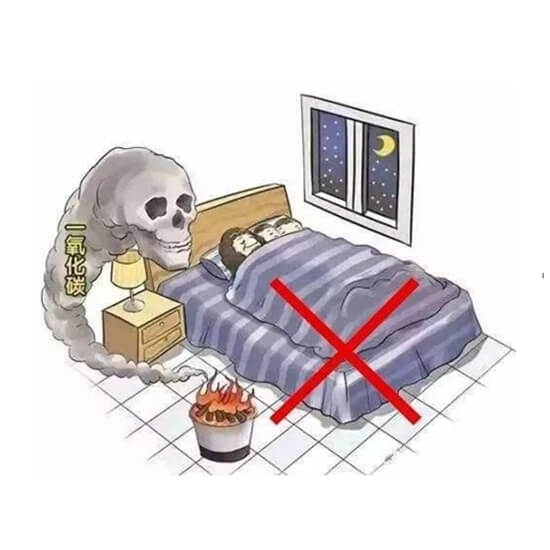
How Fast Can Carbon Monoxide Poisoning Become Fatal?
23
2026-03
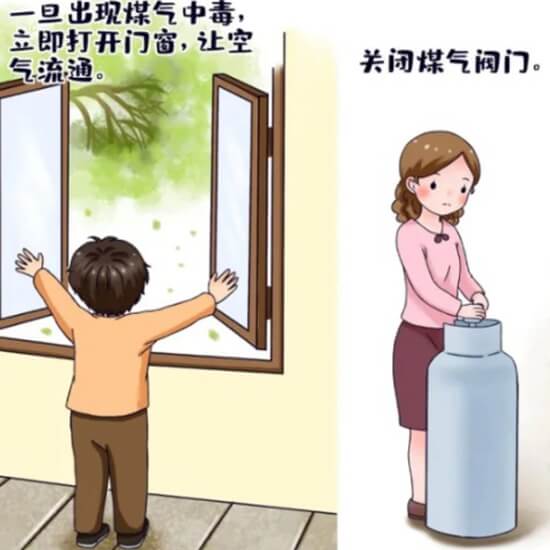
What Is Emergency Treatment for Carbon Monoxide Poisoning?
Carbon monoxide poisoning emergency treatment means the immediate rescue steps, medical care, and prevention actions used when a person has inhaled dangerous carbon monoxide gas. Carbon monoxide poisoning is a serious medical emergency because carbon monoxide, also called CO, has no color, smell, or taste. People often do not notice it until symptoms begin. Common symptoms include headache, dizziness, weakness, upset stomach, vomiting, chest pain, and confusion, and high exposure can cause unconsciousness or death. The CDC also warns that people who are sleeping or impaired may die before noticing symptoms. That is why carbon monoxide poisoning emergency treatment must begin quickly. The goal is simple: leave the dangerous area, get fresh air, call emergency help, and receive medical oxygen as soon as possible. Fast action can reduce the risk of severe injury, brain damage, heart stress, or death. Why Carbon Monoxide Poisoning Is So Dangerous Carbon monoxide forms when fuels do not burn completely. Possible sources include gas boilers, water heaters, furnaces, stoves, fireplaces, charcoal burners, generators, vehicles, and attached garages. In a poorly ventilated room, CO can build up quickly. Because it is invisible and odorless, human senses cannot detect it. This makes a co detector sensor alarm......
Let's Discuss Your Project
Contact us for quick advice, and to meet your needs with maximum efficiency!
1. How can I become a SUMRING distributor?
We welcome global partners for fire alarm system distribution.You can apply for:Regional distributor rights,OEM branding cooperation,Project-based supply agreements,Long-term B2B partnership,Contact us to discuss your target market and business plan.
2. Why choose SUMRING fire alarm systems?
Our Key advantages include:Factory-direct fire alarm manufacturer pricing;Fast delivery for urgent engineering projects;Complete fire detection product portfolio;OEM/ODM customization capability;Stable quality control under ISO9001 system;Suitable for global mid-tier fire protection projects.
3. Do you provide technical support for fire alarm systems?
Yes, we provide full technical support including:Fire alarm system installation guidance,Wiring and configuration support,Troubleshooting assistance,Project-based consultation for distributors and contractors.