How to Prevent Carbon Monoxide Poisoning in the Family?
Carbon monoxide poisoning prevention means reducing CO risks through safe appliance use, proper ventilation, regular maintenance, and reliable carbon monoxide alarms.
Carbon monoxide poisoning prevention should be a basic safety priority for every family. Carbon monoxide, also called CO, is dangerous because people cannot see it, smell it, or taste it. It can come from fuel-burning appliances, heating equipment, coal fires, gas water heaters, fireplaces, generators, and vehicle exhaust. When CO builds up indoors, it can affect people quickly and may become life-threatening without warning.
Health authorities explain that common symptoms of carbon monoxide poisoning include headache, dizziness, weakness, upset stomach, vomiting, chest pain, and confusion. In severe cases, high exposure can cause loss of consciousness or death. People who are sleeping may not notice symptoms in time, which makes early warning especially important.
For this reason, carbon monoxide poisoning prevention should never depend on human senses alone. A safer family protection plan should combine correct equipment use, proper ventilation, regular inspection, and a dependable carbon monoxide alarm.
Why Is Carbon Monoxide Dangerous at Home?
Carbon monoxide is produced when fuel does not burn completely. This can happen with gas, coal, charcoal, wood, propane, gasoline, or other fuels. In daily family life, CO risks may come from gas water heaters, coal heating, fireplaces, gas stoves, boilers, portable generators, and cars running in garages or enclosed spaces.
The biggest problem is that CO gives no clear warning before it harms people. A room may look normal. The air may smell normal. Family members may only feel tired, dizzy, or uncomfortable at first. Some people may think they have a cold or flu. That delay can make the situation more dangerous.

That is why carbon monoxide poisoning prevention is not only about buying one safety product. It is about building a complete home safety habit.
1. Replace Unsafe or Outdated Water Heaters
One important step in carbon monoxide poisoning prevention is avoiding outdated or unsafe water heaters. Old flue-type water heaters and direct-discharge water heaters can create serious risks, especially when installed in bathrooms, small rooms, or poorly ventilated spaces.
During winter, many families close doors and windows tightly while showering to keep warm. However, if the water heater burns gas and the room has poor ventilation, carbon monoxide may accumulate indoors. This risk becomes higher when the exhaust pipe is blocked, damaged, badly installed, or not connected to a proper outdoor discharge path.
Families should choose water heaters that match local safety requirements and installation rules. They should also make sure that gas appliances are installed by qualified professionals. Regular maintenance is important because blocked vents, aging parts, and poor combustion can all increase CO danger.
A safer home starts with reliable equipment, correct installation, and enough airflow.
2. Use Coal Fires and Indoor Heating More Carefully
In some regions, families still use coal heating or charcoal heating during cold seasons. This makes carbon monoxide poisoning prevention even more important. Coal and charcoal can release carbon monoxide when burning, especially in enclosed spaces with limited oxygen.
If coal heating is still necessary, the room should have practical safety measures. Small ventilation windows, a properly installed chimney, and a clear exhaust path can help reduce risk. Families should never block ventilation openings just to keep the room warmer.
The chimney should be checked regularly. If smoke cannot discharge smoothly, dangerous gas may return indoors. Ash, dust, bird nests, snow, or poor chimney design can all affect exhaust performance.
Families should also avoid sleeping in rooms where coal or charcoal is still burning. If anyone feels headache, dizziness, nausea, weakness, or confusion, they should leave the area immediately, move to fresh air, and seek emergency help when needed.
3. Keep Good Ventilation in Daily Life
Ventilation is a simple but powerful part of carbon monoxide poisoning prevention. When fuel-burning appliances are used indoors, fresh air helps support safer combustion and reduces gas accumulation.
Families should avoid using gas stoves, charcoal grills, or portable camping equipment as indoor heating tools. These products are not designed for closed indoor heating and may create dangerous CO levels.
Portable generators are another high-risk source. Safety guidance from the EPA and CPSC states that generator exhaust contains carbon monoxide and generators should never be used inside a home or garage, even if doors or windows are open. They should only be used outside and far away from windows, doors, and vents.
This point is especially important during storms, power outages, or winter emergencies. Many CO accidents happen when families use temporary heating or power equipment incorrectly.
4. Install a Reliable Carbon Monoxide Alarm
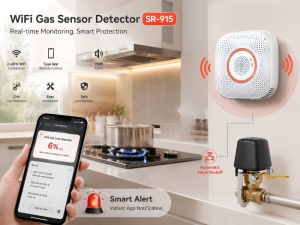
A reliable alarm is one of the most important tools for carbon monoxide poisoning prevention. Because CO cannot be detected by human senses, families need an early-warning device that can monitor the environment and sound an alarm when danger appears.
A good carbon monoxide alarm should have stable detection performance, clear sound output, visible indicators, and easy operation. For family users, the product should be simple to install and easy to understand. For distributors and project buyers, the alarm should also support stable supply, market adaptability, and clear product positioning.
Many safety organizations recommend installing CO alarms in homes and maintaining them properly. The Minnesota Department of Health notes that carbon monoxide poisoning can be prevented with simple actions such as installing a CO alarm and maintaining fuel-burning appliances.
For stronger protection, families should place alarms near sleeping areas and on different levels of the home according to local requirements and product instructions. Alarms should be tested regularly, and batteries should be replaced when needed. If the device reaches the end of its service life, it should be replaced on time.
5. Check Appliances and Exhaust Systems Regularly
Regular inspection is another key part of carbon monoxide poisoning prevention. Fuel-burning equipment should not be treated as “install once and forget.” Water heaters, boilers, gas heaters, fireplaces, chimneys, and exhaust pipes all need periodic checks.
Families should pay attention to warning signs such as yellow or unstable flames, unusual smell from appliances, soot marks, poor heating performance, blocked vents, or repeated alarm sounds. These signs may indicate incomplete combustion or ventilation problems.
For vehicles, families should never leave a car running in a closed garage. Even if the garage door is open, exhaust may still enter the home. If a car is used in winter, the exhaust pipe should be clear of snow, mud, or debris.
Good maintenance lowers risk and helps safety products work more effectively.
6. Teach Family Members How to Respond
Carbon monoxide poisoning prevention also includes emergency awareness. Every family member should know what to do when a carbon monoxide alarm sounds.
The response should be simple:
Leave the area immediately.
Move to fresh air.
Do not ignore the alarm.
Do not re-enter the home until it is checked and confirmed safe.
Call emergency services if anyone feels unwell.
This is especially important for children, elderly family members, and people who may not recognize CO symptoms quickly. A clear family response plan can save time during an emergency.
Why Carbon Monoxide Alarms Are a Growing Market Opportunity
A modern carbon monoxide alarm is not only a family safety product. It is also a growing category in the global home safety market. More importers, distributors, project contractors, and OEM/ODM buyers are looking for reliable household alarm solutions that are easy to install, simple to explain, and suitable for different regional markets.
For B2B buyers, product reliability matters. A strong carbon monoxide alarm should offer stable sensing performance, clear alarm signals, practical design, and consistent manufacturing quality. Buyers also need flexible customization, packaging support, branding options, and dependable delivery.
This is why choosing the right supplier matters as much as choosing the right product. A dependable manufacturer can help customers build their own brand, expand a home safety product line, and serve local residential or commercial channels with confidence.
At SUMRING, we focus on reliable fire and gas safety products for global partners. Our carbon monoxide alarm solutions are designed for practical home safety needs and B2B market development.
Whether you are an importer, distributor, project buyer, or brand owner, SUMRING can support your OEM and ODM requirements with stable production, flexible customization, and professional service. If you are looking for a trusted carbon monoxide alarm supplier, our team can help you develop safer, smarter, and more market-ready home protection products.
Protecting families starts with prevention. The right habits, safe appliances, good ventilation, and a dependable fire and monoxide alarm can make every home safer.
FAQ:
1. What does carbon monoxide poisoning prevention mean?
Carbon monoxide poisoning prevention means reducing CO risks through safe appliance use, proper ventilation, regular maintenance, and reliable carbon monoxide alarms. Since carbon monoxide cannot be seen, smelled, or tasted, prevention should combine good safety habits with early-warning detection devices.
2. Why is carbon monoxide dangerous at home?
Carbon monoxide is dangerous because it can build up indoors without any obvious warning. It may come from gas water heaters, fireplaces, boilers, coal heating, generators, gas stoves, or vehicle exhaust. Early symptoms such as headache, dizziness, weakness, nausea, and confusion may be mistaken for common illness, which can delay emergency action.
3. What are the most common sources of carbon monoxide in a house?
Common home sources include fuel-burning appliances, gas water heaters, coal or charcoal heating, fireplaces, boilers, portable generators, gas stoves, and cars running in garages. Any equipment that burns gas, coal, wood, propane, gasoline, or charcoal may produce carbon monoxide if combustion or ventilation is poor.
4. How can families prevent carbon monoxide poisoning in daily life?
Families can prevent carbon monoxide poisoning by using fuel-burning appliances correctly, keeping rooms ventilated, checking chimneys and exhaust pipes, avoiding indoor use of grills or generators, maintaining water heaters and boilers, and installing dependable carbon monoxide alarms near sleeping areas and key living spaces.
5. Why should outdated or unsafe water heaters be replaced?
Outdated or unsafe water heaters may cause carbon monoxide buildup, especially when they are installed in bathrooms, small rooms, or poorly ventilated spaces. If the exhaust pipe is blocked, damaged, or incorrectly installed, CO may return indoors. Replacing unsafe equipment and using professional installation can greatly reduce risk.
6. Can a carbon monoxide alarm really help protect a family?
Yes. A carbon monoxide alarm provides early warning when CO levels become dangerous. Because people cannot detect CO by sight, smell, or taste, a reliable alarm is one of the most important tools for carbon monoxide poisoning prevention. It helps families respond quickly before exposure becomes life-threatening.
7. Where should carbon monoxide alarms be installed?
Carbon monoxide alarms should be installed near sleeping areas and on different levels of the home according to local requirements and the product manual. Families should also consider placing alarms near areas where fuel-burning appliances are used, while avoiding locations that may affect normal sensor performance.
8. What should people do when a carbon monoxide alarm sounds?
When a carbon monoxide alarm sounds, people should leave the area immediately, move to fresh air, avoid re-entering the home until it is checked and confirmed safe, and call emergency services if anyone feels unwell. The alarm should never be ignored, even if there is no visible danger.
Carbon monoxide poisoning prevention starts with safer habits, reliable equipment, and a dependable early-warning alarm. For importers, distributors, project buyers, and OEM/ODM brand owners, choosing a trusted carbon monoxide alarm supplier is the key to building a stronger home safety product line. SUMRING provides reliable fire and gas safety alarm solutions with stable production, flexible customization, and professional B2B support—helping your business deliver safer, smarter, and more market-ready protection products.