

23
2026-03
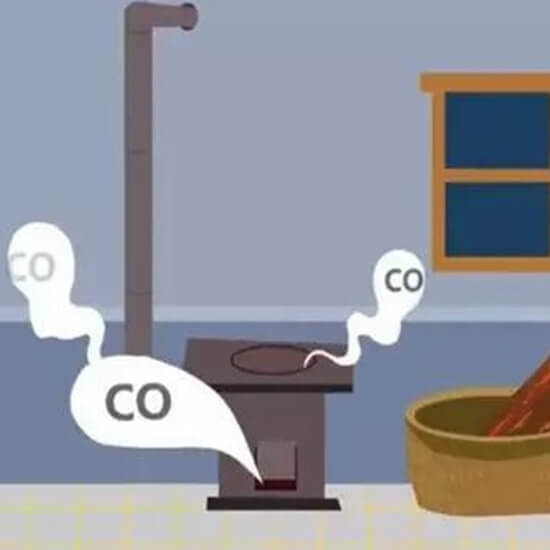
How Can You Know If There Is Carbon Monoxide in a Room?
21
2026-03
本-1024x699.png)
Why Is SR-918DSY a Smart Gas Leak Detector for Indoor Safety?
A gas leak detector is a safety device that detects combustible gas or carbon monoxide early and warns users before indoor danger becomes critical. Indoor safety has become a serious priority for homes, apartments, rental properties, hotels, offices, and light commercial spaces. Many indoor environments use gas appliances every day, including gas stoves, water heaters, boilers, and heating systems. When ventilation is poor or equipment fails, combustible gas leaks and carbon monoxide buildup may appear without clear human warning. This is why choosing a reliable gas leak detector is no longer optional for many buyers. The SR-918DSY is designed as a practical gas leak detector for indoor safety. It combines combustible gas detection and carbon monoxide monitoring in one compact device. Instead of using separate alarms for different risks, users can manage two major indoor threats through one installation point. This makes the SR-918DSY suitable for modern homes, apartments, kitchens, utility rooms, rental units, and light commercial applications. For distributors, contractors, and OEM buyers, the SR-918DSY also offers strong business value. It supports high-demand product categories such as gas leak detector, carbon monoxide detector, gas and CO detector, and indoor gas detector. With voice alerts, flash alarm, LCD display, AC90–240V......
21
2026-03
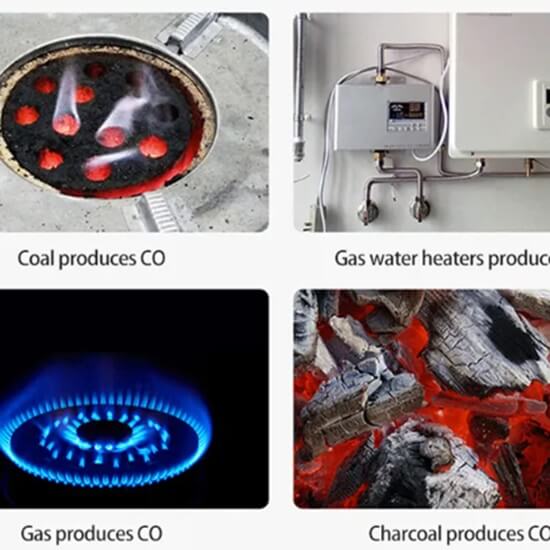
What Are Carbon Monoxide Poisoning Signs at Home?
A smoke and carbon monoxide alarm is a home safety device that detects smoke from fire and carbon monoxide gas, then alerts people early with a loud warning sound. Carbon monoxide poisoning is one of the most dangerous indoor safety risks because carbon monoxide cannot be seen, smelled, or tasted. It may come from fuel-burning appliances, gas heaters, fireplaces, boilers, generators, stoves, or vehicles running in enclosed spaces. When carbon monoxide builds up indoors, people may not realize there is danger until symptoms begin. According to the CDC, common carbon monoxide poisoning symptoms include headache, dizziness, weakness, upset stomach, vomiting, chest pain, and confusion. High exposure can cause loss of consciousness or death. That is why every home, apartment, rental property, hotel room, office, dormitory, and light commercial space should consider installing a smoke and carbon monoxide alarm. A reliable alarm gives people an early warning before the situation becomes critical. Instead of depending on smell or personal feeling, users can rely on a device designed to monitor invisible threats. Why Carbon Monoxide Poisoning Is So Dangerous Carbon monoxide affects the body by reducing the blood’s ability to carry oxygen. When oxygen delivery is reduced, the brain, heart, and other......
21
2026-03

What Is the Normal Carbon Monoxide Range and When Is It Dangerous?
A carbon monoxide detector is a safety device that measures CO gas in the air and warns people before invisible carbon monoxide reaches dangerous levels. Carbon monoxide is one of the most dangerous gases in homes, workplaces, hotels, garages, boiler rooms, and commercial buildings because people cannot see it, smell it, or taste it. This is why understanding the normal carbon monoxide range is essential for safety planning. A room may look completely normal while CO is slowly building up in the air. According to the U.S. EPA, average carbon monoxide levels in homes without gas stoves are usually about 0.5 to 5 ppm. Near properly adjusted gas stoves, CO levels are often around 5 to 15 ppm. Near poorly adjusted stoves, levels may reach 30 ppm or higher. For many buyers, the most important question is simple: when does carbon monoxide become dangerous? The answer depends on both concentration and exposure time. A short exposure to a low level may not cause obvious symptoms, but a higher level or longer exposure can quickly become a health emergency. Why the Normal Carbon Monoxide Range Matters The normal carbon monoxide range helps users understand whether indoor air is safe or requires......
21
2026-03

Can a Carbon Monoxide Detector Help Prevent Delayed Encephalopathy?
20
2026-03
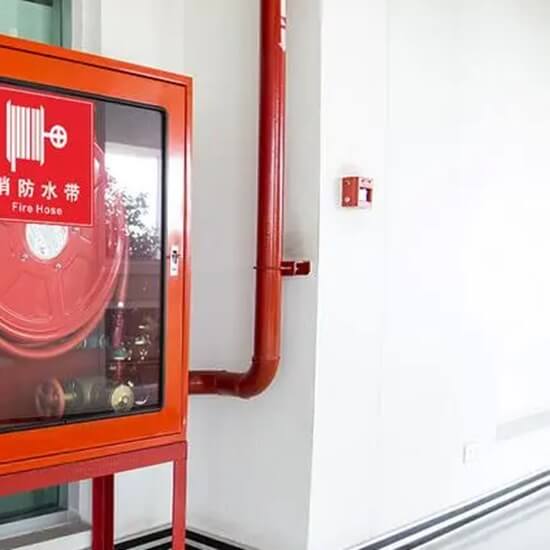
Where Should Fire Alarm Manual Call Points Be Installed?
Fire alarm manual call points are manually operated alarm devices installed in buildings to allow people to trigger a fire alarm quickly when they discover a fire or emergency. Fire alarm manual call points are an essential part of a complete fire alarm system. They allow people to report a fire immediately before automatic detectors respond or when human observation is faster than sensor detection. In high-rise buildings, public facilities, residential projects, factories, hotels, warehouses, entertainment venues, and commercial spaces, correct installation of manual call points can improve emergency response speed and reduce fire-related losses. For B2B buyers, contractors, distributors, and project engineers, understanding the fire alarm manual call points installation location is important for system design, product selection, and project compliance. A fire alarm system is not only about smoke detectors or fire alarm control panels. It must also include manual alarm devices in key locations where people can easily access them during an emergency. Why Fire Alarm Manual Call Points Matter A fire can develop quickly. In some cases, smoke detectors or heat detectors may not activate immediately, especially when the fire is in an early stage or located in a separated area. A person who notices smoke,......
30
2025-04
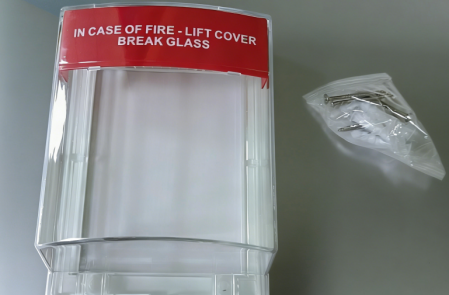
Why Choose an IP67 Manual Call Point Cover for Outdoor Fire Alarm Protection?
An IP67 manual call point cover is a protective enclosure designed to shield fire alarm manual call points from water, dust, accidental activation, and tampering in indoor and outdoor environments. In modern fire alarm projects, reliability starts long before an emergency happens. Fire safety systems must stay operational every day in busy public areas, industrial zones, and outdoor installations. When manual call points face rain, dust, impact, or misuse, system performance can suffer. This creates maintenance issues, false alarms, and unnecessary operational costs. That is why more contractors, distributors, and system integrators now specify an IP67 manual call point cover for commercial and industrial projects. A high-quality cover protects the manual call point while keeping it visible and accessible during emergencies. It also helps extend product lifespan and improves long-term system stability. For B2B buyers, this product delivers both technical and commercial value. Why Fire Alarm Projects Need Better Protection Manual call points remain one of the most important components in any fire alarm system. People use them to trigger alarms quickly during emergencies. However, these devices often sit in exposed locations where daily risks can affect performance. Common risks include: accidental activation rain exposure dust accumulation physical impact unauthorized......
10
2025-03
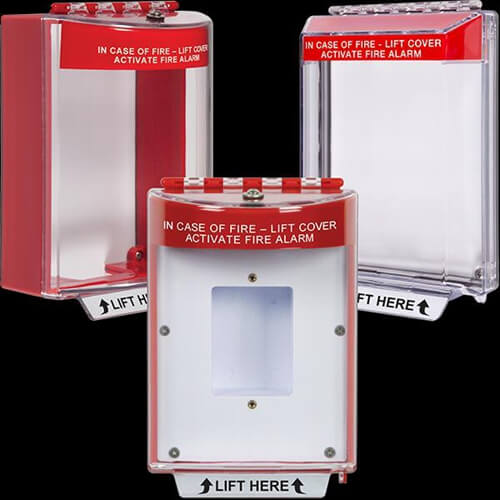
What’s the SR-A08-P ? pull station cover ?
05
2025-03
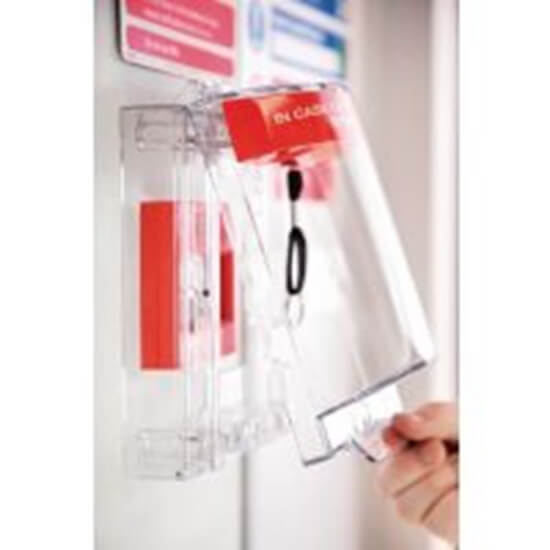
How’s the fire alarm dust covers SR-A08-P from sumring ?
20
2025-02
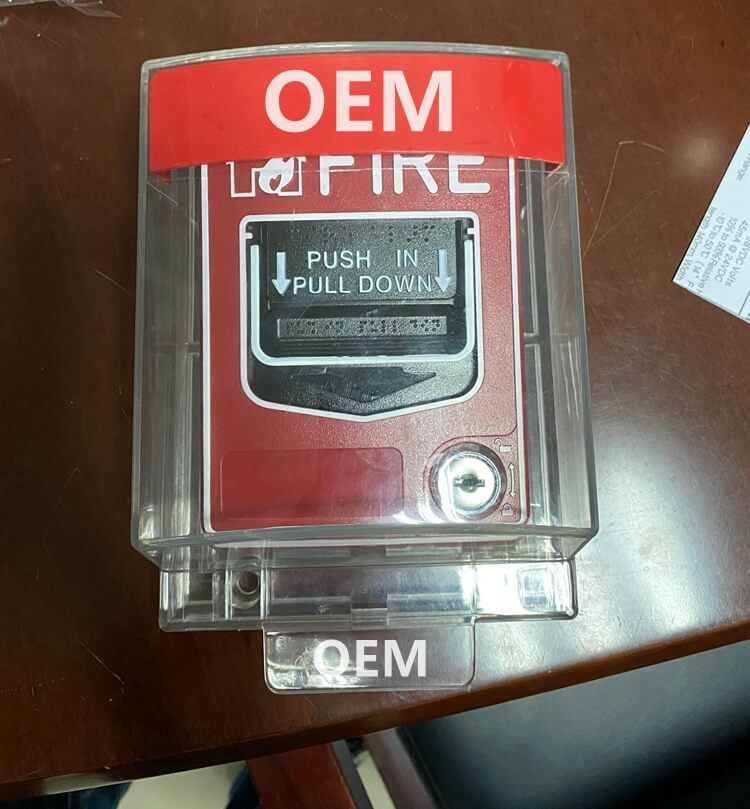
Sumring fire alarm plastic cover
fire alarm plastic cover
15
2025-02
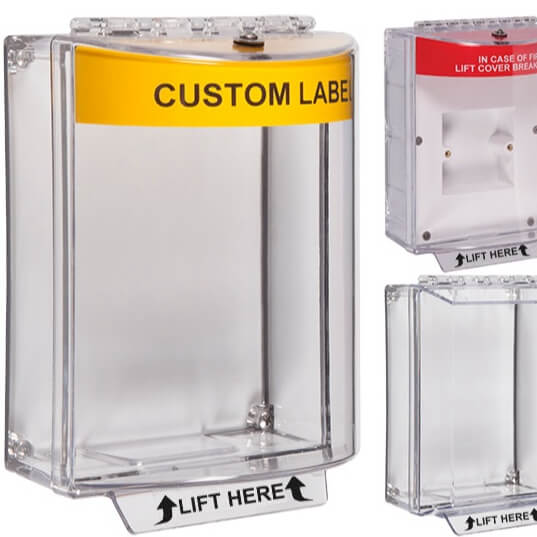
Sumring supply a range of protective call point covers
10
2025-02

Do fire call points need covers ?
Let's Discuss Your Project
Contact us for quick advice, and to meet your needs with maximum efficiency!
1. How can I become a SUMRING distributor?
We welcome global partners for fire alarm system distribution.You can apply for:Regional distributor rights,OEM branding cooperation,Project-based supply agreements,Long-term B2B partnership,Contact us to discuss your target market and business plan.
2. Why choose SUMRING fire alarm systems?
Our Key advantages include:Factory-direct fire alarm manufacturer pricing;Fast delivery for urgent engineering projects;Complete fire detection product portfolio;OEM/ODM customization capability;Stable quality control under ISO9001 system;Suitable for global mid-tier fire protection projects.
3. Do you provide technical support for fire alarm systems?
Yes, we provide full technical support including:Fire alarm system installation guidance,Wiring and configuration support,Troubleshooting assistance,Project-based consultation for distributors and contractors.