How Long Does Carbon Monoxide Stay in the Body?
Carbon monoxide poisoning recovery time is the period your body needs to remove carbon monoxide from the blood and recover from the oxygen shortage caused by CO exposure.
Carbon monoxide leaves the body through breathing, but the exact recovery time can be different for every person. In many cases, carbon monoxide poisoning recovery time depends on three important factors: how much carbon monoxide a person inhaled, how long the exposure lasted, and how quickly the person received fresh air or medical oxygen.
Carbon monoxide is dangerous because people cannot see it, smell it, or taste it. Once inhaled, it enters the bloodstream and attaches to hemoglobin, the part of red blood cells that normally carries oxygen. This reduces oxygen delivery to the brain, heart, and other organs. According to CDC clinical guidance, common symptoms of carbon monoxide poisoning include headache, dizziness, weakness, nausea, vomiting, chest pain, and altered mental status.
For homeowners, landlords, hotels, offices, and project buyers, understanding carbon monoxide poisoning recovery time is not only a medical topic. It is also a safety reminder. The best emergency is the one that is prevented before symptoms begin. That is why new carbon monoxide detectors are becoming an essential part of modern home and building safety.
How Long Does Carbon Monoxide Stay in the Body?
In simple terms, carbon monoxide can start leaving the body once the person is moved away from the source and begins breathing clean air. However, the process can be much faster when medical oxygen is used.
Medical references commonly note that treatment involves fresh air, high-concentration oxygen, and in selected severe cases, hyperbaric oxygen therapy. Merck Manual explains that treatment for carbon monoxide poisoning includes fresh air and high concentrations of oxygen, sometimes with a hyperbaric oxygen chamber.
This means carbon monoxide poisoning recovery time is not a fixed number. A person with mild exposure may feel better after leaving the contaminated area and receiving medical evaluation. A person with serious exposure may need emergency treatment, hospital monitoring, or specialized oxygen therapy.
Important note: anyone with suspected carbon monoxide poisoning should not wait at home to “see if it gets better.” Mayo Clinic advises people with symptoms such as headache, dizziness, nausea, shortness of breath, weakness, or confusion to get into fresh air immediately and call emergency medical help.

Why Carbon Monoxide Poisoning Recovery Time Can Vary?
The body’s recovery depends on exposure level, physical condition, and treatment speed. A healthy adult with mild exposure may recover faster than a child, elderly person, pregnant woman, or someone with heart or lung disease. People who were exposed while sleeping may also face higher risk because they may not wake up in time.
Several factors can affect carbon monoxide poisoning recovery time:
The concentration of carbon monoxide in the room matters. A small leak in a ventilated area may cause different results than a high-level leak in a closed bedroom, garage, hotel room, or boiler room.
The exposure duration also matters. The longer a person breathes carbon monoxide, the more serious the poisoning may become.
Treatment speed is critical. Early oxygen therapy helps remove carbon monoxide faster and supports oxygen delivery to vital organs. Cleveland Clinic notes that oxygen is a key first step in treatment because carbon monoxide impairs the body’s ability to transport oxygen.
This is why carbon monoxide poisoning recovery time should always be treated seriously. Even if symptoms seem mild, professional evaluation is important.
Common Symptoms That Require Fast Action
Carbon monoxide poisoning can look like flu, fatigue, food poisoning, or simple tiredness. This makes it easy to ignore. However, symptoms after suspected exposure should be treated as an emergency.
Common warning signs include:
Headache
Dizziness
Nausea or vomiting
Weakness
Shortness of breath
Chest pain
Confusion
Sleepiness
Loss of consciousness in severe cases
Cleveland Clinic describes carbon monoxide poisoning as life-threatening and warns that people should contact emergency services immediately if they suspect exposure.
If a home carbon monoxide detector sounds, leave the area immediately. Do not open windows and stay inside to search for the source. Do not restart fuel-burning equipment. Move everyone outdoors, call emergency services, and wait for professionals to check the space.
Can Carbon Monoxide Cause Delayed Problems?
Yes. Some people may feel better after the first stage but later develop delayed neurological or cognitive problems. These may include memory issues, mood changes, movement problems, difficulty concentrating, or other nervous system symptoms.
Research on delayed neurological effects after acute carbon monoxide poisoning describes possible symptoms such as memory loss, movement disorders, communication problems, and mood-related changes during the delayed phase.
This is another reason why carbon monoxide poisoning recovery time is not only about how quickly someone feels normal again. Medical follow-up may be needed, especially after moderate or severe exposure.
Why Prevention Matters More Than Recovery?
Once carbon monoxide exposure happens, every minute matters. But for families and property managers, the smarter solution is prevention. A reliable carbon monoxide detector can identify danger before people develop serious symptoms.
Carbon monoxide leaks may come from gas water heaters, boilers, furnaces, fireplaces, charcoal burning, blocked chimneys, generators, or vehicles running in enclosed areas. In winter, the risk often increases because people close windows and use heating appliances more often.
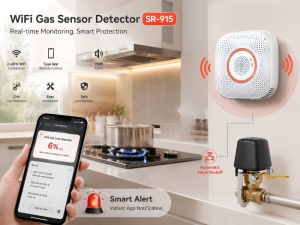
A home carbon monoxide detector gives early warning when CO levels rise. For apartments, rental houses, hotels, offices, dormitories, and light commercial spaces, installing new carbon monoxide detectors can help reduce risk and improve safety management.
Modern buyers often look for detectors with:
Fast response
Loud alarm sound
Clear LED indicators
Easy wall or ceiling installation
Battery or wired power options
Long service life
Stable sensing performance
Simple maintenance
Compliance-ready design for projects
For B2B buyers, distributors, and safety product contractors, these features are not only product details. They are selling points that match real customer needs.
Why New Carbon Monoxide Detectors Are a Strong SEO Product Direction?
Search interest around carbon monoxide detector, home carbon monoxide detector, and new carbon monoxide detectors remains strong because the product solves a real safety problem. Buyers do not search only for a device. They search for protection, confidence, and a practical way to reduce hidden risk.
A high-conversion product page should explain both the danger and the solution. When a page discusses carbon monoxide poisoning recovery time, it naturally connects user concern with product value. People who want to know how long carbon monoxide stays in the body are already aware of risk. This makes them more likely to consider prevention products.
For Rank Math SEO and GEO optimization, this content direction works well because it answers direct questions:
What is carbon monoxide poisoning?
How long does carbon monoxide stay in the body?
What affects carbon monoxide poisoning recovery time?
When should people seek medical help?
Why should homes install new carbon monoxide detectors?
What type of home carbon monoxide detector is suitable?
This structure helps search engines and AI answer engines understand the page clearly.
Choosing the Right Home Carbon Monoxide Detector
When selecting a home carbon monoxide detector, buyers should focus on reliability, alarm clarity, and installation convenience. A good detector should provide early warning, be easy for families to understand, and fit different indoor environments.
For distributors and project buyers, product selection should also consider packaging customization, stable supply, certification support, OEM/ODM flexibility, and after-sales service. These factors directly affect market competitiveness.
A practical carbon monoxide detector is suitable for many applications, including:
Residential homes
Apartments
Rental properties
Hotels
Schools
Dormitories
Offices
Small shops
Gas appliance areas
Heating rooms
The stronger the safety awareness in the market, the greater the demand for reliable new carbon monoxide detectors.
Carbon monoxide poisoning recovery time depends on exposure level, exposure duration, and how quickly treatment begins. Mild cases may improve faster after fresh air and medical care, while serious cases may require oxygen therapy, hospital treatment, and follow-up observation.
However, recovery should never be the first line of defense. Prevention is safer, easier, and more practical. Installing a reliable home carbon monoxide detector helps identify danger early and gives people more time to leave the area before symptoms become severe.
For homeowners, landlords, distributors, and project buyers, new carbon monoxide detectors are not optional safety accessories. They are essential early-warning devices for modern indoor protection.
FAQ:
1. How long does it take for CO to leave the body?
Mild exposure may clear in hours; severe exposure may require days with oxygen therapy.
2. Can children recover faster than adults?
Not necessarily. Children are more vulnerable due to lower body mass and higher oxygen needs.
3. Are delayed neurological symptoms common?
Yes. Memory, mood, and movement problems can appear days or weeks after exposure.
4. Does hyperbaric oxygen shorten recovery?
Yes, it accelerates CO removal and reduces risk of long-term complications.
5. Can CO poisoning be fatal?
Yes. High-level exposure can cause unconsciousness or death if not treated promptly.
6. How do home CO detectors help?
They provide early warning before CO reaches dangerous levels, reducing recovery time risk.
7. Should I see a doctor even if I feel better?
Yes. Professional evaluation is recommended for moderate to severe exposures.
8. Can CO poisoning recur?
Yes, if preventive measures aren’t taken, repeated exposure is possible.