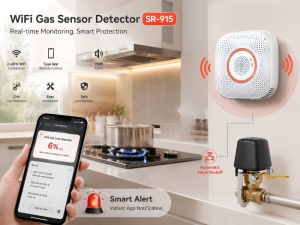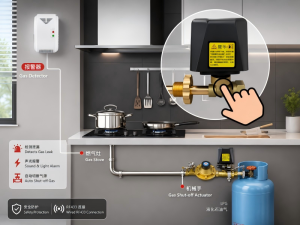

Why Is a Combined CO Detector Natural Gas Alarm a Smarter Choice?
A combined CO detector natural gas alarm is a dual-function safety device designed to detect both carbon monoxide and natural gas leakage in one compact alarm unit.
Home gas safety is no longer only about detecting one danger. In many indoor spaces, natural gas leakage and carbon monoxide exposure may both become serious risks. Kitchens, apartments, rental houses, hotels, dormitories, and small commercial buildings often use gas appliances every day. When gas pipes, stoves, boilers, heaters, or ventilation systems fail, danger can appear quickly and quietly.
This is why more homeowners, landlords, distributors, and project buyers are choosing a combined CO detector natural gas alarm instead of relying only on a single-function detector. One device can monitor two common gas hazards, making safety protection simpler, more practical, and easier to promote in the market.
Why Single Gas Detection May Not Be Enough
Many people believe that one gas alarm can solve all gas safety problems. In reality, different gases create different risks.
A natural gas detector mainly focuses on combustible gas leakage, especially methane. Natural gas leaks may happen because of damaged pipes, loose connections, faulty valves, aging appliances, or incorrect installation. If gas accumulates indoors, it can create fire or explosion risks.
Carbon monoxide is different. It usually comes from incomplete combustion. Gas water heaters, boilers, stoves, fireplaces, and other fuel-burning equipment may produce carbon monoxide when combustion is poor or ventilation is blocked. Carbon monoxide is especially dangerous because people cannot see it, smell it, or taste it.
A standard natural gas alarm may not detect carbon monoxide. A standard CO detector may not detect natural gas leakage. This means using only one type of detector may leave a safety gap. A combined CO detector natural gas alarm helps close that gap by offering dual monitoring in one device.
What Does a Combined CO Detector Natural Gas Alarm Detect?
A combined CO detector natural gas alarm is designed to monitor two major indoor gas risks:
First, it detects carbon monoxide caused by incomplete combustion. This is important in homes and facilities that use gas heaters, gas boilers, water heaters, fireplaces, or other combustion appliances.
Second, it detects natural gas leakage from pipelines, gas stoves, valves, heaters, or connected appliances. This helps users respond before gas concentration becomes dangerous.
By combining these two functions, the device provides broader safety coverage than a single-gas alarm. For end users, this means easier protection. For B2B buyers, it creates a stronger product value proposition.

Why Is a Combined CO Detector Natural Gas Alarm Better for Homes?
Modern homes often have limited space, multiple appliances, and enclosed indoor environments. Many families want safety products that are easy to install, easy to understand, and easy to maintain. A combined CO detector natural gas alarm matches this demand well.
Instead of installing two separate alarms in the same area, users can choose one device that monitors both carbon monoxide and natural gas. This reduces product clutter and makes the safety system easier to manage.
For families, the main value is peace of mind. They do not need to worry about whether they selected the wrong alarm type for the wrong risk. A dual-function alarm gives them a more complete layer of protection.
Best Application Scenarios
A combined CO detector natural gas alarm is suitable for many residential and light commercial environments, including:
Homes and apartments where gas stoves or gas heaters are used.
Rental properties where landlords need simple and reliable safety upgrades.
Hotels and guesthouses that must protect guests in rooms or service areas.
Worker dormitories and staff housing where cooking and heating appliances may be used frequently.
Small shops, offices, and service spaces with gas appliances or heating equipment.
Kitchens and dining areas where gas leakage risks may appear during daily use.
These spaces often require both combustible gas monitoring and carbon monoxide warning. A combined CO detector natural gas alarm makes the safety setup easier and more economical.
Key Benefits of a Combined CO Detector Natural Gas Alarm
1. Dual Protection in One Device
The biggest advantage is simple: one detector monitors two risks. Users can receive warnings for carbon monoxide buildup and natural gas leakage from a single alarm unit. This improves safety coverage without adding more devices.
2. Lower Installation Complexity
Installing two separate alarms may require more space, more wiring, more maintenance, and more user education. A combined CO detector natural gas alarm helps reduce this complexity. For project buyers and installers, this can make deployment faster and more efficient.
3. Better User Convenience
End users usually prefer simple safety products. A dual-gas alarm reduces confusion because people do not need to manage multiple devices in the same area. Clear sound alerts, indicator lights, and display functions can help users recognize danger more quickly.
4. Stronger B2B Market Appeal
For distributors, importers, wholesalers, and safety brands, a combined CO detector natural gas alarm is easier to promote than many single-function products. The selling point is clear: one device, two protections, broader application.
This makes it attractive for online retail, offline distribution, project procurement, and private-label business.
5. Suitable for OEM and ODM Projects
Many brand owners want products that can stand out in a competitive safety market. A combined CO detector natural gas alarm can support OEM and ODM customization, including logo printing, packaging design, alarm function options, power supply choices, and market-specific requirements.
For companies building a home safety product line, this type of dual-function detector can become a valuable upgrade product.
What Should Buyers Look for Before Purchasing?
Not all detectors offer the same level of reliability. When selecting a combined CO detector natural gas alarm, buyers should consider several important points.
Sensor Performance
The sensor is the core of the device. A good alarm should provide stable and accurate detection for both carbon monoxide and combustible gas. Stable sensing performance helps reduce false alarms and improves real danger response.
Clear Alarm Methods
A practical detector should include a strong audible alarm, visible indicator lights, and user-friendly status display. In an emergency, users need clear warning signals that are easy to notice.
Stable Power Design
For household and project use, long-term stable operation is important. Buyers should check whether the device supports the power design required by their market or installation environment.
Easy Installation
A combined CO detector natural gas alarm should be easy to mount, operate, and maintain. Simple installation helps reduce labor cost and improves user acceptance.
Certification and Compliance
For export buyers, certification is a key decision factor. Different markets may require different safety standards, testing reports, or compliance documents. Importers and distributors should confirm requirements before bulk purchasing.
Supplier Support
B2B buyers should also evaluate supplier capability. Stable production, technical guidance, OEM service, ODM support, packaging customization, and after-sales response can all affect long-term cooperation.
Why This Product Supports Safety Education
A combined CO detector natural gas alarm is not only a product. It also helps users understand gas safety more clearly.
Many consumers still do not know the difference between natural gas leakage and carbon monoxide poisoning. Some may think a gas alarm can detect every gas risk. Others may install only a CO detector and ignore combustible gas leakage.
A dual-function alarm makes the safety message easier to explain. It tells users that indoor gas danger may come from different sources. Natural gas leakage can create fire and explosion risks. Carbon monoxide can cause poisoning without smell or visible warning. Both risks deserve attention.
For safety brands and distributors, this creates a strong educational marketing angle. You are not simply selling an alarm. You are offering a more complete gas safety solution.
Why Demand Is Growing in the Global Market
The home safety market is moving toward integrated, compact, and user-friendly products. Buyers want devices that solve more problems without making installation more complicated. A combined CO detector natural gas alarm fits this trend because it combines two important safety functions in one product.
For residential users, it offers convenience and protection. For landlords, it supports safer rental management. For hotels and dormitories, it helps improve guest and occupant safety. For distributors and OEM buyers, it creates a product category with strong commercial potential.
As gas safety awareness increases, dual-function alarms are likely to become more common in homes and small commercial spaces.
A Smarter Safety Choice for Modern Living
Choosing a combined CO detector natural gas alarm is a practical decision for modern indoor safety. It helps detect carbon monoxide and natural gas leakage, reduces the need for multiple devices, and makes safety management easier for users.
For homeowners, it provides stronger peace of mind. For landlords and project managers, it simplifies installation and safety upgrades. For distributors, importers, and brand owners, it offers a high-value product with clear selling points and strong market demand.
If your business focuses on home safety, gas detection, fire protection, or OEM/ODM safety products, a combined CO detector natural gas alarm is a smart product category to consider. It combines real safety value with strong commercial potential, making it suitable for today’s growing demand for integrated protection solutions.
FAQ:
- What is a combined CO detector natural gas alarm?
A dual-function device that detects both carbon monoxide and natural gas leaks. - Why choose a dual-function alarm over single-function detectors?
It covers both risks, reducing safety gaps and simplifying installation. - Can it prevent both poisoning and fire/explosion?
Yes, it detects CO poisoning and natural gas leaks before hazards escalate. - Where should I install it?
Kitchens, gas appliance areas, rental units, hotels, dormitories, and small offices. - How does it alert users?
Audible alarms, visible indicators, and digital displays signal danger clearly. - Is it suitable for OEM/ODM projects?
Yes, it supports customization of logos, packaging, power options, and alarm settings. - Does it require frequent maintenance?
Minimal. Stable sensors and power designs reduce false alarms and upkeep. - Are certifications important?
Absolutely. CE, UL, RoHS, and local standards ensure compliance and export readiness.