What Are the Most Effective Fire Prevention Measures for Modern Homes?
Fire prevention refers to the proactive measures taken to reduce the risk of fire and minimize its impact on life and property.
Practical Significance of Fire Prevention in Modern Homes:
With the rapid increase in electricity consumption and household appliances, modern homes face a higher risk of fires. According to UK fire statistics, over 50,000 serious domestic fires occur annually, causing significant casualties and property damage. In many cases, these fires also affect neighboring households, amplifying the consequences. The practical significance of fire prevention lies in its ability to reduce these losses and protect families from sudden tragedies.
Characteristics of Home Fires:
- Rapid Spread: Modern home materials, including synthetic furniture and electrical devices, facilitate quick flame propagation.
- Hidden Dangers: Fires often start in concealed areas like kitchens, laundry rooms, or behind appliances.
- Smoke Hazards: Smoke inhalation is a leading cause of fatalities, sometimes exceeding the dangers of flames.
- Human Factor: Panic, delayed alarm activation, and lack of preparedness significantly increase casualty rates.
Understanding these characteristics allows homeowners to implement targeted fire prevention measures, ensuring timely detection and response.
Common Causes of Domestic Fires:
- Electrical malfunctions and overloaded circuits
- Unattended cooking or kitchen appliances
- Misuse of heating devices, such as space heaters or fireplaces
- Smoking indoors
- Improper storage of flammable materials
Statistics indicate that household fires account for approximately 30% of all fires nationwide. While some hazards are obvious, many are hidden or overlooked, emphasizing the need for proactive safety measures.
Practical Fire Prevention Measures:
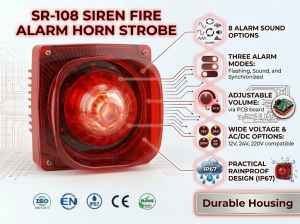
- Install Fire Alarm Sensors: Modern fire alarm sensors can detect smoke, heat, or carbon monoxide early. They provide critical seconds for evacuation and can significantly reduce property loss. Families should ensure alarms are installed in every bedroom, hallway, and main living area.
- Regular Equipment Maintenance: Check wiring, appliances, and heating devices routinely. Faulty cords, overloaded outlets, or neglected stoves increase fire risk.
- Safe Storage Practices: Keep flammable materials, such as chemicals or paper, away from heat sources. Store propane and gas cylinders in ventilated areas.
- Emergency Planning: Establish evacuation routes, conduct family fire drills, and designate a meeting point outside the home.
- Fire Extinguishers and Sprinklers: Keep fire extinguishers accessible in the kitchen, garage, and near electrical panels. For larger homes, consider installing a residential sprinkler system.
- Smoke and CO Detector Integration: Devices that combine smoke, carbon monoxide, and natural gas detection provide comprehensive coverage, alerting families to multiple hazards simultaneously.

Behavioral Awareness and Education:
Education is as important as equipment. Many households experience fires because residents lack basic fire safety knowledge. Learning how to use fire extinguishers, respond to alarms, and evacuate calmly can prevent panic and reduce casualties. Local fire departments often offer workshops, online tutorials, and community programs that are invaluable resources.
Urban Fire Prevention Challenges:
In densely populated urban areas, fires can spread quickly between units. Shared walls, closely spaced buildings, and high-rise living require residents to be even more vigilant. Common preventive measures include:
- Ensuring fire doors remain closed
- Avoiding blocking escape routes
- Coordinating with neighbors on safety awareness
Even minor preventive actions, when consistently applied, can significantly reduce the risk of catastrophic fires.
Technological Advancements in Fire Prevention:
Modern fire prevention leverages technology to improve detection and response:
- Smart Fire Alarm Sensors: These devices connect to mobile apps, sending real-time alerts even when homeowners are away.
- Integrated Systems: Combining smoke, CO, and gas detection in one system ensures comprehensive monitoring.
- Automated Suppression Systems: Residential sprinklers and fire retardant systems can control fire before it escalates.
Such innovations make it easier for families to proactively manage risk and protect their property.

Legal and Insurance Considerations:
Many insurance policies provide incentives for homes with functional fire alarms and safety equipment. Installing compliant fire alarm sensors can lower premiums while ensuring faster emergency response. Additionally, local building codes often mandate certain fire prevention measures, making compliance both a safety and legal priority.
The Economic Impact of Home Fires:
The financial consequences of domestic fires are substantial. Beyond property damage, there are medical costs, temporary relocation expenses, and potential legal liabilities. Preventive measures such as alarm sensors, fire extinguishers, and safety planning not only save lives but also mitigate economic loss. Investing in fire prevention is therefore a cost-effective strategy in the long run.
Fire prevention is not merely a precaution; it is an essential practice for modern families. By understanding the causes of home fires, implementing proper safety equipment, and maintaining vigilance, households can drastically reduce both the human and financial toll of fire incidents.
Take action today—click fire alarm sensors to safeguard your home and loved ones. Protect your family before a tragedy occurs.
FAQ:
1.What is the most common cause of home fires?
Unattended cooking, electrical faults, and improper heating device use are the leading causes.
2.How can fire alarm sensors prevent casualties?
Early detection alerts residents, allowing timely evacuation and emergency response.
3.Are smoke alarms alone sufficient for home safety?
While essential, combining smoke, CO, and gas detectors provides comprehensive protection.
4.Where should fire alarms be installed in a home?
Install alarms in bedrooms, hallways, kitchens, and main living areas for optimal coverage.
5.How often should fire prevention equipment be checked?
Check batteries, sensors, and extinguishers monthly; replace outdated devices as recommended.
6.Can urban apartment residents implement effective fire prevention?
Yes, by following building codes, keeping escape routes clear, and using integrated alarm systems.
7.Do fire prevention measures affect insurance premiums?
Yes, many insurers offer reduced premiums for homes with compliant alarms and safety equipment.
8.What immediate steps should I take if a fire starts?
Evacuate calmly, activate the nearest fire alarm, call emergency services, and avoid re-entering the building.
? Fire accidents don’t give warnings—but early protection does.
Every year, thousands of home fires start silently from electrical faults, cooking mistakes, or gas leaks—spreading faster than families can react. In these critical moments, seconds decide everything.
Don’t wait for a fire to teach you a lesson.
? Protect your home before it’s too late. Choose Sumring smart fire alarm solutions today.