Can Heat Set Off a Smoke Detector? Causes and Buyer Checks
Understanding Heat-Related Smoke Alarm Activations in Buildings
A smoke detector false alarms event is an unwanted alarm when a detector signals danger although no fire-related smoke is present. Heat alone does not normally activate a conventional smoke detector: its sensing chamber responds to airborne combustion particles, not room temperature. However, temperature and humidity changes can alter the environment and contribute to unwanted activations, especially in garages and other uncontrolled spaces.
For B2B buyers, this distinction supports product selection and installation reviews.
1. Does Heat Directly Trigger a Conventional Smoke Detector?
Most conventional photoelectric smoke detectors use an optical sensing chamber. When smoke particles enter, they scatter light toward a receiver. The electronics evaluate this change and activate the alarm when the signal reaches its specified threshold.
The chamber does not measure ambient temperature. A hot room without smoke would therefore not normally trigger a standard photoelectric detector simply because the air is warm. Many ionization detectors also respond to combustion particles rather than functioning as dedicated heat sensors.
Each detector has rated operating limits. Conditions outside them may affect stability and service life. Buyers should distinguish direct heat detection from environmental effects that may contribute to a smoke detector false alarms complaint.
2. How Can Temperature and Humidity Changes Contribute?
Temperature changes affect airflow, humidity, and condensation. In garages, attics, or unconditioned warehouses, moving air can carry dust, fumes, and insects into a sensing chamber.
Moisture droplets or condensation may also interfere with optical detection. This is not the same as the detector sensing heat as a fire signal. The U.S. Fire Administration notes that smoke alarms in garages may sound because of changes in temperature and humidity, as well as dust, fumes, and insects. Its heat alarm guidance explains why a suitable heat alarm may be considered for garage protection.
A recurring smoke detector false alarms report should prompt a review of site conditions, detector location, contamination, and the manufacturer’s operating limits—not an automatic conclusion that the sensor is defective.
3. Other Common Causes of Smoke Alarm Activation
Temperature is only one possible factor. Common environmental and maintenance causes include:
-
Cooking aerosols and steam: Fine airborne droplets may affect sensing.
-
Construction dust: Drilling, sanding, and ceiling work can introduce interfering particles.
-
Insects and contamination: Debris or insects may affect the optical path.
-
Fumes: Vehicle exhaust or nearby industrial processes may influence detector performance.
-
Poor placement: Installation close to cooking sources or ventilation outlets may increase nuisance activations.
-
Unsuitable conditions: Operation outside rated temperature or humidity limits may reduce reliability.
When investigating a smoke detector false alarms report, record timing, nearby equipment activity, recent construction, and environmental conditions before replacing the detector.
4. Smoke Detector vs. Heat Detector: Which Is Suitable?
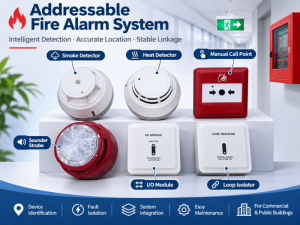
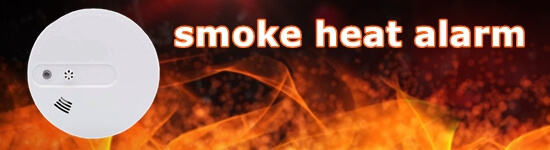
Smoke detectors identify airborne smoke particles and are commonly used where early smoke warning is required. Heat detectors respond to a temperature condition, such as reaching a fixed threshold or detecting a rapid rise, depending on the model.
Heat detection may suit selected areas where dust, steam, or fumes make smoke detection unsuitable. Garages are one example in U.S. Fire Administration guidance. However, heat detection may respond later than smoke detection in some fire scenarios. It should not automatically replace smoke alarms in sleeping areas or other spaces where smoke detection is required.
For combined smoke-and-heat products, confirm the sensing elements and alarm logic. Some devices activate when either sensor reaches its threshold; others use a multi-sensor algorithm. Do not assume every combined detector works the same way. This distinction matters when assessing a smoke detector false alarms concern and specifying an alternative.
5. What Should B2B Buyers Check Before Selecting a Detector?
Buyers should check:
-
Detection principle: Photoelectric, ionization, fixed-temperature heat, rate-of-rise heat, or combined.
-
Environmental limits: Operating temperature, humidity range, and condensation restrictions.
-
System compatibility: For wired detectors, zone voltage, standby and alarm current, end-of-line arrangement, reset behavior, and panel compatibility.
-
Installation: Mounting position, spacing, airflow, ceiling structure, and inspection access.
-
Compliance: Exact-model approvals and target-market requirements. One model’s certification does not automatically cover a product family.
-
Maintenance: Cleaning instructions, inspection intervals, and replacement criteria.
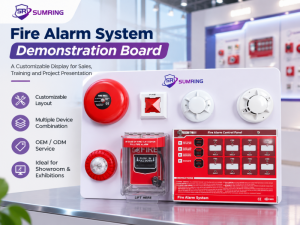
For wired projects, review SUMRING’s 2-wire photoelectric smoke detector selection guide for panel compatibility, electrical parameters, environmental limits, and sample evaluation. These checks help reduce avoidable smoke detector false alarms during commissioning and operation.
6. How Can Installers Reduce Repeat Nuisance Activations?
First, rule out a real fire. Never remove or disable a detector to avoid an alarm; follow site emergency procedures and manufacturer instructions.
If no fire is present, qualified personnel should inspect for dust, insects, moisture, fumes, construction debris, blocked ventilation, and unsuitable placement. Clean only as instructed; do not modify the sensing chamber.
If the environment is unsuitable for smoke detection, the project designer should assess whether a listed heat detector or another approved arrangement is appropriate. Any change must comply with local fire codes and the building’s fire strategy. Document a persistent smoke detector false alarms problem and resolve it at system level rather than disabling protection.
7. What Should B2B Buyers Request from a Manufacturer?
For OEM, ODM, and bulk procurement, request a datasheet, installation manual, wiring diagram where applicable, operating limits, model-specific certification documents, and sample test procedure. Confirm the sensing technology and combined-detector alarm logic.
For quotations, provide the target market, application, system type, panel model, quantity, site conditions, and documentation requirements. This helps distinguish a product defect from an application mismatch.
FAQs
1. Can high room temperature alone activate a normal smoke detector?
Usually not. A conventional smoke detector responds to smoke particles, not room temperature. Check the model’s operating limits and investigate other environmental factors.
2. Why might a smoke alarm sound in a hot garage?
Temperature and humidity changes, dust, fumes, and insects can contribute to unwanted alarms. The U.S. Fire Administration recommends considering a suitable heat alarm for garages. These are recognized causes of smoke detector false alarms.
3. Does a heat detector detect smoke?
No. A standard heat detector responds to temperature conditions, not smoke particles. Confusing the two devices can contribute to smoke detector false alarms complaints.
4. Can steam activate a photoelectric smoke alarm?
Moisture droplets may enter the sensing chamber and interfere with optical detection. Follow the manufacturer’s placement guidance and avoid routine steam exposure.
5. Should a heat detector replace a smoke detector?
Not automatically. The correct arrangement depends on room use, fire risk, local codes, and the approved fire protection design.
6. What should distributors check when customers report repeated false alarms?
Review the model, location, environment, maintenance history, wiring and panel compatibility where relevant, and the manufacturer’s instructions. Collect event details to identify the cause of a smoke detector false alarms complaint before deciding on replacement.
7. What documents should B2B buyers request?
Request the model-specific datasheet, installation instructions, wiring information where applicable, relevant certification documents, operating limits, and sample evaluation records.
Conclusion
Heat alone does not normally activate a conventional smoke detector. Temperature, humidity, dust, steam, insects, fumes, and poor placement can still contribute to nuisance alarms.
Match detection technology to the site, verify compatibility, and follow applicable fire safety requirements. SUMRING supports project-based product selection and OEM/ODM discussions.