How Can a Custom Fire Alarm System Demonstration Board Help B2B Buyers?
How Can a Custom Fire Alarm System Demonstration Board Help B2B Buyers?
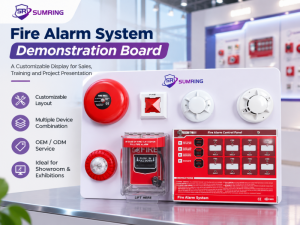
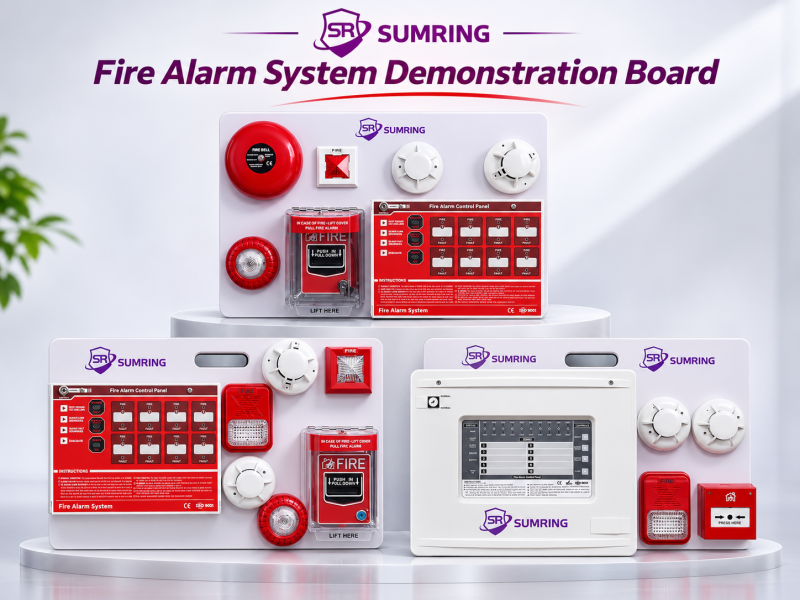
A Fire Alarm System Demonstration Board is a purpose-built display that presents selected fire detection, alarm control, manual activation, notification, and protection devices on one organized panel. Depending on its design, it can provide a physical product showcase, a supervised functional demonstration, or both.
For fire safety distributors, contractors, system integrators, and OEM brands, a customizable board helps explain product relationships without carrying a separate sample case for every customer meeting.
Why Choose a Customized Board Instead of a Standard Product Display?
A catalog shows what a supplier sells. A well-designed Fire Alarm System Demonstration Board shows how selected products are positioned, identified, and—when technically compatible—operated together.
That distinction matters at trade shows, distributor showrooms, technical training rooms, and project presentations. Buyers can compare device sizes, understand protective accessories, and discuss which equipment fits their market.
Customization also avoids unnecessary devices. A distributor may prioritize familiar control equipment and manual call points, while a contractor may need a layout that clarifies detection, indication, and maintenance access. The goal is an understandable demonstration, not the largest possible collection.
What Components Can Be Included?
A Fire Alarm System Demonstration Board can combine a control panel with devices representing the main functions of a conventional fire alarm installation. The exact combination should be approved against the buyer’s intended audience, space, power supply, and available compatible equipment.
| Display Component | Role on the Board | Customization Consideration |
|---|---|---|
| Fire alarm control panel | Receives and displays relevant system signals | Size, zone arrangement, visible indicators |
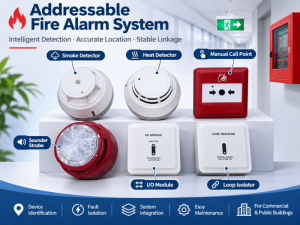
| Smoke detector | Illustrates smoke detection equipment | Housing, base, mounting position |
| Heat detector | Shows temperature-based detection | Separate labeling and placement |
| Audible and visual siren | Illustrates warning sound and light | Sound control and visitor comfort |
| Manual call point | Shows deliberate fire alarm activation | Access, reset method, mounting |
| Emergency button with protective cover | Demonstrates a separately labeled emergency-control accessory | Cover fit, text, color, opening clearance |
| Fire alarm bell | Presents a traditional audible warning device | Space, safe demo volume |
| Remote indicator or accessory | Explains optional indication or connections | Availability and compatibility |
The emergency button must not be presented as interchangeable with a fire alarm manual call point. Its function, labeling, and electrical interface depend on the chosen product. Optional devices can be added only after their suitability is checked.
Which Seven Details Should Buyers Customize?
1. Product Mix
Decide whether the Fire Alarm System Demonstration Board will emphasize fire detection, manual activation, audible warnings, or protective covers. A focused selection is easier to explain than an overcrowded layout.
2. Board Size and Layout
Choose wall-mounted, tabletop, or transportable presentation formats according to the venue. Allow room for visible labels, device access, safe cable routing, and replacement of sample units.
3. Branding and Language
An OEM fire alarm demonstration panel may use an approved customer logo, multilingual component names, market-specific terminology, and consistent colors. Printed explanations should accurately describe each installed device.
4. Demonstration Mode
Select a static display or request a functional demonstration design. A working display may show an initiating event, control-panel indication, and notification response, but only where interfaces and operating conditions are verified.
5. Protective Cover Presentation
A manual call point cover display for trade shows can show how different cover dimensions or warning texts affect product selection. Leave enough space for the cover to open without obstructing neighboring equipment.
6. Power and Wiring
Specify the destination market, input power arrangement, device voltages, wiring access, and protective measures. Any proposed electrical demonstration requires review before assembly and use.
7. Packaging and Transport
Discuss removable parts, protective packing, replacement accessories, and how the board will be installed after delivery. Transport needs can influence material and panel dimensions.
How Should a Live Demonstration Be Organized?
A Fire Alarm System Demonstration Board should communicate one clear sequence: identify an initiating device, observe the panel’s response, and recognize the intended audible or visual indication. If a cover is shown, explain its protective purpose separately.
For an interactive fire alarm control panel demonstration, trained personnel should operate the equipment using a documented test procedure. Provide a clearly identified demonstration mode, controlled sound levels, and a reliable way to reset the display.
A training display is not an installed life-safety system. It should never be represented as proof of building-code compliance, device interoperability, or field installation suitability.
What Technical Checks Matter Before Production?
Before approving a Fire Alarm System Demonstration Board, verify the panel interfaces, detector types, initiating circuits, notification loads, supply requirements, mounting clearances, and labeling. Confirm which components can actually be connected and which are display-only samples.
Document the approved wiring diagram and distinguish any simulated signal from an actual device response. When approval or certification is relevant, obtain evidence for each applicable product and market rather than assuming that the assembled display carries a system-wide approval.
For standards background, consult the NFPA 72 National Fire Alarm and Signaling Code. Applicable requirements depend on the jurisdiction and intended installation; a demo board does not replace engineering review.
What Should B2B Buyers Include in an OEM/ODM Inquiry?
An OEM Fire Alarm System Demonstration Board request should state the destination country, target audience, intended venue, preferred devices, display dimensions, branding requirements, and whether live operation is needed.
Ask the supplier for a proposed layout, component list, electrical scope, sample approval process, quotation assumptions, and packaging plan. Confirm customization feasibility, minimum quantity, lead time, and any tooling or artwork charges before placing an order.
For broader device selection, see SUMRING’s fire alarm products for B2B projects. The guide explains equipment categories that buyers can shortlist before defining their display.
FAQ
1. Can the Fire Alarm System Demonstration Board be customized for a distributor’s brand?
Yes, a proposed OEM project can include branding, language, layout, and selected components, subject to supplier confirmation and approved artwork.
2. Does every device need to work electrically?
No. A static panel can display product samples. A functional panel should connect only confirmed compatible devices and clearly identify display-only items.
3. Can smoke and heat detectors appear together?
Yes. They can be presented as separate detection types, with clear descriptions of their different operating principles.
4. Can a manual call point and emergency button share one display?
Yes, provided their distinct purposes are labeled and their circuits are not incorrectly combined.
5. Are covers available with different sizes or text?
Selected protective-cover options may support different dimensions, colors, or printed warnings. Confirm available configurations and fit before design approval.
6. Is a demo board suitable for trade shows?
Yes. A compact, legible display can support product explanations and buyer discussions; transport and venue rules should influence its design.
7. Does the complete board have fire alarm certification?
Not automatically. Individual device certificates do not certify the assembled demonstration board or authorize it as a building fire alarm system.
8. What documents should buyers request?
Request a layout drawing, component list, electrical diagram if applicable, operating instructions, and the agreed sample acceptance criteria.
Conclusion
A customized Fire Alarm System Demonstration Board turns a group of safety products into a structured conversation about operation, protection, and system selection. Its value comes from choosing relevant devices, presenting their differences accurately, and making training or product demonstrations easy to follow.
SUMRING welcomes discussions with distributors, contractors, integrators, and OEM/ODM buyers about project-specific display requirements. Share your intended market, product mix, branding needs, and demonstration goals to begin a technical review.