EN54 vs UL Difference: What Fire Alarm Standard Should You Choose?
EN54 vs UL difference refers to the key differences between the European EN54 fire alarm system standard and the North American UL certification system, including certification logic, testing focus, product scope, installation requirements, and global market application.
Why EN54 and UL Standards Matter in Fire Alarm Projects?
For fire alarm distributors, engineering contractors, system integrators, and B2B buyers, understanding the EN54 vs UL difference is not only a technical topic. It directly affects product selection, project approval, installation compliance, and long-term safety responsibility.
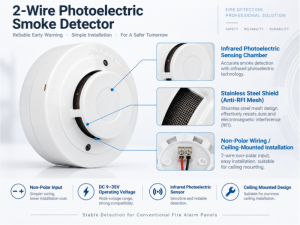
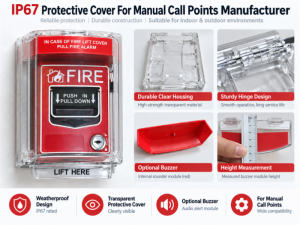
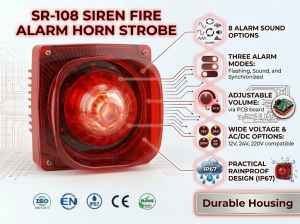
A fire alarm product may look similar from the outside, but the certification behind it can be completely different. A smoke detector, fire alarm control panel, heat detector, manual call point, or sounder used in a European project may need EN54 compliance. The same type of product used in the United States may require UL listing or UL certification.
This is why international fire alarm buyers should not only compare price, appearance, or basic specifications. They should first confirm which standard the project requires.
What Is EN54 in Fire Alarm Systems?
EN54 is a European standard series for fire detection and fire alarm systems. It covers different parts of a complete fire alarm system, including control panels, smoke detectors, heat detectors, alarm sounders, manual call points, power supplies, and other connected devices.
In many European and international projects, EN54 is treated as a key technical requirement. It is often used in commercial buildings, public facilities, industrial sites, hotels, schools, hospitals, transportation hubs, warehouses, and high-rise buildings.
The important point is that EN54 is more system-oriented. It does not only look at whether one single product works independently. It also considers whether the product can perform reliably within a complete fire alarm system.
This is one of the most important parts of the EN54 vs UL difference.
What Is UL Certification for Fire Alarm Products?
UL is a North American safety certification system widely recognized in the United States and Canada. In fire alarm applications, UL standards are commonly used for smoke detectors, fire alarm control units, heat detectors, notification appliances, and other fire safety devices.
UL certification focuses strongly on product safety, electrical performance, reliability, and compliance with North American fire safety codes. For example, a fire alarm control panel may need to meet specific UL requirements before it can be used in certain US projects.
Compared with EN54, UL is more product- and component-oriented. A device is tested according to its own category and intended use. This does not mean UL is weaker or stronger than EN54. It means the certification logic is different.
So when discussing EN54 vs UL difference, the key is not which one is better. The key is which one is required by the target market and project specification.
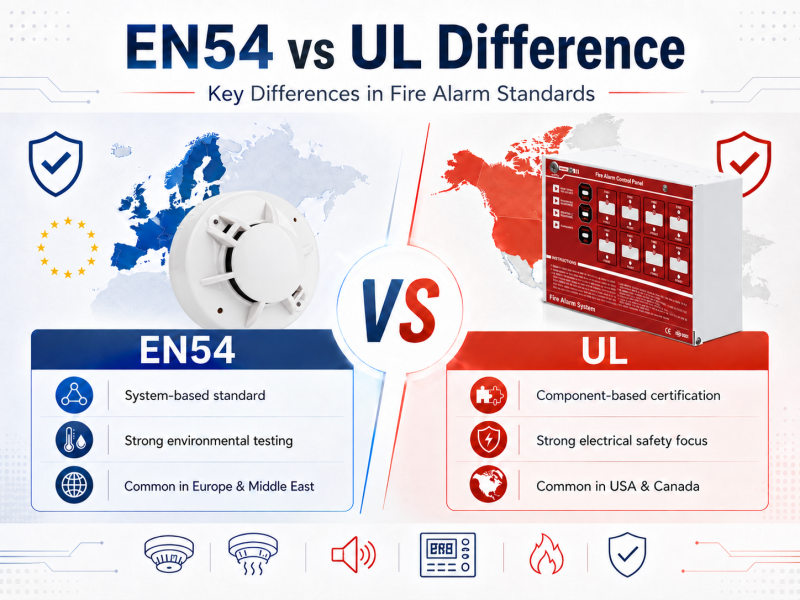
EN54 vs UL Difference:
| Comparison Item | EN54 | UL |
|---|---|---|
| Main Region | Europe, Middle East, some international projects | United States, Canada, North America |
| Certification Logic | More system-based | More product/component-based |
| Testing Focus | Environmental reliability, system performance | Electrical safety, device reliability |
| Typical Products | Control panels, detectors, sounders, manual call points | Control units, detectors, alarms, notification appliances |
| Project Use | EU and international fire alarm projects | North American code-driven projects |
| Buyer Focus | System compliance and compatibility | UL listing and local code acceptance |
Testing Focus: Environmental Reliability vs Electrical Safety
A major EN54 vs UL difference lies in testing focus.
EN54 testing often emphasizes whether a product can remain stable under different environmental conditions. This may include temperature changes, humidity, vibration, long-term performance, alarm response, and resistance to false alarms. In fire alarm systems, reliability is critical because the device must work when danger occurs, not only under ideal laboratory conditions.
UL testing pays strong attention to electrical safety, construction safety, response performance, component reliability, wiring safety, and failure behavior. For North American projects, UL certification helps confirm that the product meets recognized safety requirements for its intended use.
For international buyers, this means the same fire alarm device may require different internal design considerations depending on whether it is targeting EN54 or UL certification.
Certification Scope: System Standard vs Product Listing
Another key EN54 vs UL difference is certification scope.
EN54 is commonly understood in relation to fire alarm systems. A complete system may include:
- Fire alarm control panel
- Smoke detector
- Heat detector
- Manual call point
- Sounder or sounder strobe
- Power supply
- Input/output modules
- Linked warning devices
UL certification is often applied to specific product categories. For example, a smoke detector, control panel, or notification appliance may be tested according to the applicable UL standard.
This distinction matters for B2B procurement. A buyer should not assume that one certification automatically replaces the other. EN54 compliance does not automatically mean the product is accepted in North America. UL certification does not automatically mean the product meets European project requirements.
Can EN54 and UL Replace Each Other?
In most cases, no.
One of the common misunderstandings about EN54 vs UL difference is the idea that EN54 and UL are interchangeable. They are not.
A European project may request EN54-certified fire alarm devices because local regulations, project consultants, or fire authorities require them. A US project may request UL-listed fire alarm products because the local code, inspector, or insurance requirement expects UL-recognized equipment.
For engineering contractors, using the wrong certification may create serious project risks, including:
- Product rejection during inspection
- Project approval delay
- Extra replacement cost
- Additional retesting or documentation work
- Loss of customer trust
This is why certification should be confirmed at the early stage of project planning.
Which Standard Should Buyers Choose?
The correct choice depends on the project location and the project specification.
Choose EN54-related products when the project is located in Europe or when the tender document clearly mentions EN54 requirements. EN54 is also commonly requested in many Middle East, African, and international infrastructure projects.
Choose UL-certified or UL-listed products when the project is located in the United States, Canada, or when the project specification follows North American fire code requirements.
For global distributors and OEM/ODM customers, the best strategy is to define the target market first. Then confirm the required certification before finalizing the product model, technical parameters, packaging, manual, labeling, and documentation.
This practical decision process makes the EN54 vs UL difference easier to apply in real business situations.
How the Difference Affects Fire Alarm Product Design?
The EN54 vs UL difference also affects product development.
For manufacturers, certification is not just a final test after production. It influences product design from the beginning, including:
- PCB design
- Sensor selection
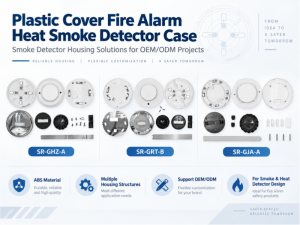
- Housing material
- Alarm threshold logic
- Power supply design
- Firmware behavior
- Fault indication
- Environmental protection
- Labeling and manuals
- System compatibility
For example, a fire alarm control panel developed for an EN54 project may need to support specific system functions, fault monitoring, zone indication, power supply supervision, and connected device compatibility. A product targeting UL markets may need to meet different construction, wiring, and electrical safety expectations.
This is why experienced manufacturers usually plan certification strategy during the R&D stage.
Why Global Fire Alarm Buyers Need a Multi-Standard Supplier?
For B2B buyers, the main challenge is not only buying a product. The real challenge is buying a product that fits the market.
A multi-standard supplier can help distributors and engineering contractors reduce compliance risks. This is especially important for companies selling fire alarm products across Europe, the Middle East, North America, Southeast Asia, and other regions.
Sumring focuses on fire alarm and safety alarm product development, covering fire alarm control panels, smoke detectors, heat detectors, manual call points, sound and light alarms, gas detectors, and related safety devices. For global B2B customers, Sumring supports OEM/ODM cooperation and product adaptation for different project requirements.
When customers understand the EN54 vs UL difference, they can communicate more clearly with manufacturers and avoid selecting products that do not match the final installation market.
conclusion
The EN54 vs UL difference is not a minor label difference. It affects product design, testing, certification, installation approval, and market entry. For fire alarm projects, choosing the wrong standard may lead to compliance risks and project delays.
EN54 is more commonly connected with European and international system-level fire alarm requirements. UL is more closely connected with North American product safety certification and local code acceptance. Neither standard is universally better. The right standard depends on where the product will be installed and what the project specification requires.
FAQs
1. What is the main EN54 vs UL difference?
The main EN54 vs UL difference is that EN54 is mainly a European fire alarm system standard, while UL is a North American product safety certification system.
2. Is EN54 accepted in the United States?
Usually, EN54 alone is not enough for US projects. Many US projects require UL-listed fire alarm products and compliance with local fire safety codes.
3. Is UL accepted in Europe?
UL certification may show strong product safety performance, but European fire alarm projects usually require EN54 compliance if specified by regulations or tender documents.
4. Can one fire alarm product have both EN54 and UL certification?
Yes, but it normally requires separate testing, documentation, design review, and certification processes. One certification does not automatically grant the other.
5. Which is better, EN54 or UL?
Neither is simply better. EN54 and UL serve different regulatory markets. The correct choice depends on project location, fire code requirements, and customer specifications.
6. Does the EN54 vs UL difference affect fire alarm control panels?
Yes. Fire alarm control panels may have different design, monitoring, indication, wiring, and documentation requirements depending on whether the project requires EN54 or UL.
7. Why should B2B buyers care about certification standards?
B2B buyers should care because wrong certification may cause project rejection, delayed installation, extra replacement cost, and loss of trust from engineering customers.
8. How can Sumring support global fire alarm projects?
Sumring provides fire alarm control panels, smoke detectors, heat detectors, manual call points, sound and light alarms, gas detectors, and OEM/ODM support for global B2B fire safety customers.
If you are selecting fire alarm products for Europe, the Middle East, North America, or other international projects, understanding the EN54 vs UL difference can help reduce compliance risk from the beginning. Sumring provides fire alarm control panels, smoke detectors, heat detectors, manual call points, sounders, and OEM/ODM support for global B2B fire safety customers.
Contact Sumring to choose the right fire alarm solution for your target market.