

manual call point
02
2026-09
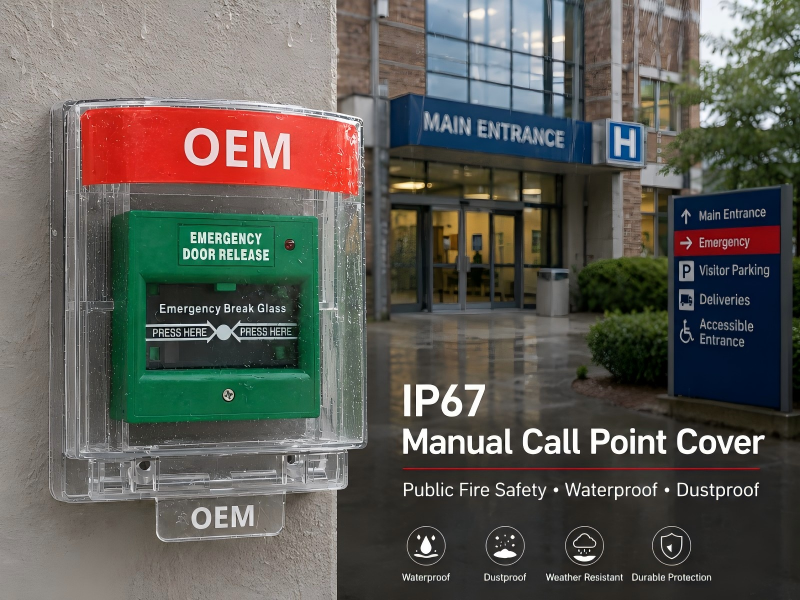
IP54 vs IP65 vs IP67: Which Protection Level Is Better for Manual Call Points?
IP54 vs IP65 vs IP67 describes three enclosure protection levels used to indicate how well electrical equipment is protected against solid particles and water under defined test conditions. If you are buying manual call points or protective covers for a fire alarm project, the obvious question is simple: should you choose IP54, IP65, or IP67? The answer is slightly less obvious. IP67 is not automatically the best choice for every manual call point. A clean hotel corridor has very different risks from an outdoor warehouse gate, a dusty factory, or a loading bay washed with water. For wholesalers and fire alarm contractors, choosing IP54 vs IP65 vs IP67 is really about matching the protection level to the site. That saves money. More importantly, it helps avoid specifying the wrong product for the environment. IEC 60529 is the international standard that classifies degrees of protection provided by electrical enclosures using the familiar IP Code. IP54 vs IP65 vs IP67: What Do the Numbers Mean? The IP code contains two digits. The first digit describes protection against solid objects and dust. The second digit describes protection against water. That makes the difference between IP54 vs IP65 vs IP67 easier to understand: Rating......
31
2026-08
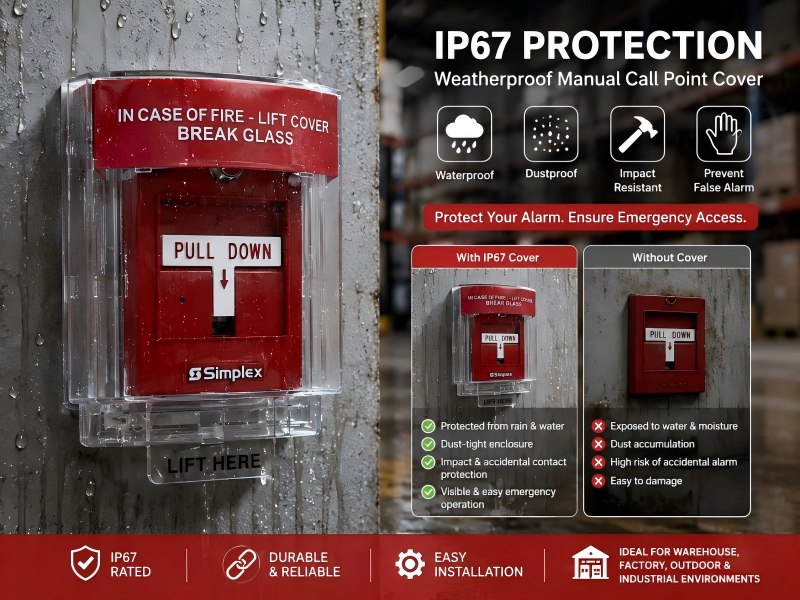
What Is an IP67 Weatherproof Manual Call Point Cover and Why Is It Important?
An IP67 Weatherproof Manual Call Point Cover is a protective enclosure installed over a fire alarm manual call point to help shield it from dust, water, accidental contact, physical damage, and unwanted operation while keeping the alarm point visible and accessible. It sounds like a small fire alarm accessory. In a real project, though, it can solve several very annoying problems. A manual call point may sit quietly on a wall for years. Yet it must work immediately when someone discovers a fire. Rain, dust, cleaning water, passing equipment, careless contact, and public misuse can all put that simple requirement at risk. That is why an IP67 Weatherproof Manual Call Point Cover is increasingly considered when engineers plan outdoor, semi-outdoor, industrial, and high-traffic fire alarm installations. For wholesalers and project contractors, the question is not simply, “Does the cover fit?” The better question is: Will it keep the manual call point protected without making emergency operation difficult? What Is an IP67 Weatherproof Manual Call Point Cover? A manual call point cover is normally a transparent protective housing fitted around a wall-mounted fire alarm activation point. The transparent structure keeps the alarm device easy to identify. A hinged front lid creates......
29
2026-06
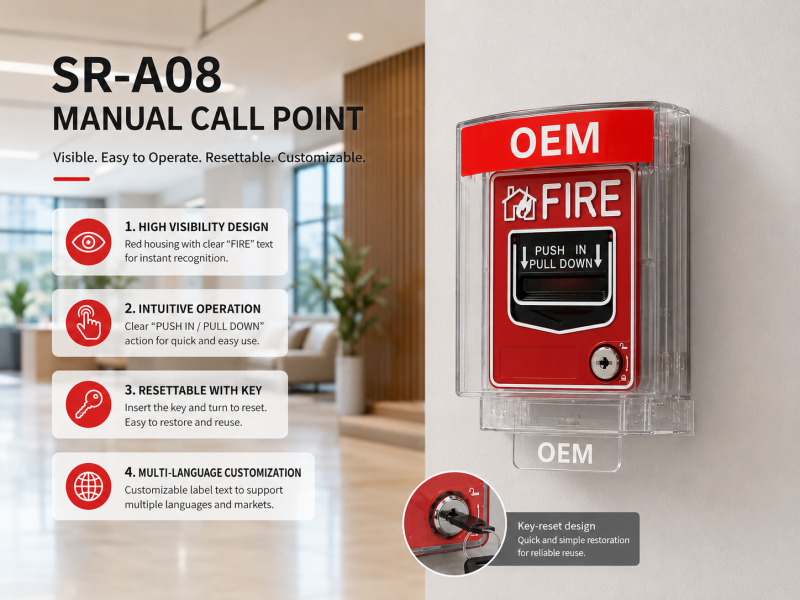
What Is a Manual Call Point and Why Is It Critical in Fire Safety Systems?
A manual call point is a wall-mounted emergency fire alarm device that allows people to manually activate a fire alarm system when a fire or emergency is detected. In modern fire safety engineering, automatic detectors such as smoke and heat sensors are widely used. However, they cannot guarantee immediate detection in every scenario. This is why the manual call point remains a mandatory and critical component in fire alarm system design. It acts as the fastest human-activated alarm trigger, ensuring that occupants can immediately alert the entire building when they discover smoke, fire, or danger. Despite its small size, the manual call point plays a major role in life safety, evacuation speed, and emergency coordination. Why Manual Call Points Are Still Required in Modern Buildings? Even advanced fire detection systems have limitations: Smoke may not reach detectors instantly Fire may start in hidden or low-ventilation areas Sensors can be affected by dust or humidity Early-stage fires may not produce enough smoke The manual call point solves these gaps by enabling instant human activation. Key Safety Function: Once activated, the manual call point immediately sends a signal to the fire alarm control panel, triggering: Building-wide alarms (sirens & strobes) Emergency evacuation......
23
2026-06
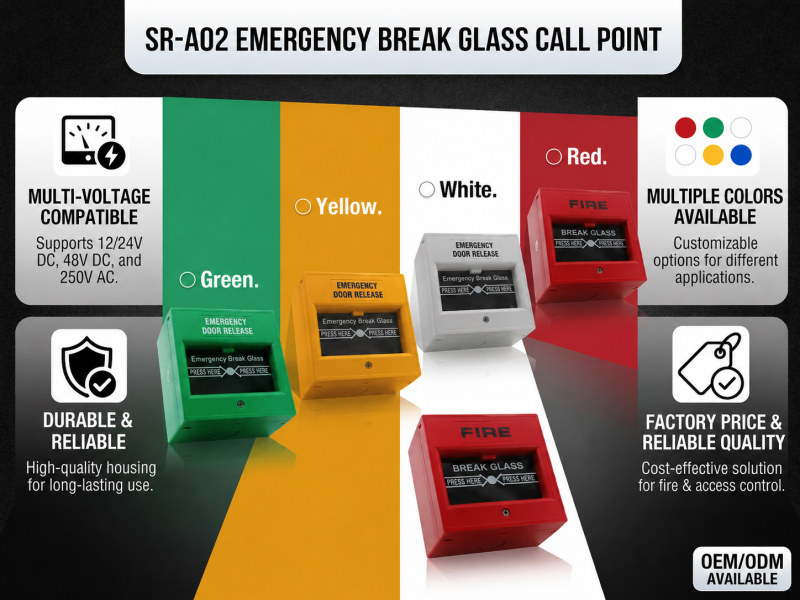
What Is SR-A02 Manual Call Point and How Does It Improve Fire Safety?
A manual call point is a fire alarm initiating device that allows occupants to manually trigger an emergency alarm system by activating a break-glass or push mechanism during a fire incident. What Is SR-A02 Manual Call Point? The SR-A02 Manual Call Point is a reliable emergency fire alarm activation device designed for fast response in critical fire situations. It allows users to immediately trigger a building-wide alarm by simply breaking the glass element, ensuring rapid evacuation and emergency response. Unlike automatic detectors, the SR-A02 Manual Call Point relies on human intervention, making it a crucial part of any layered fire protection system in commercial, industrial, and public environments. It is widely used in factories, warehouses, hotels, office buildings, and medium-sized commercial facilities where fast manual activation can significantly reduce fire damage and save lives. Why SR-A02 Manual Call Point Matters in Fire Safety Systems Fire emergencies often develop within seconds. While smoke and heat detectors provide automatic detection, human confirmation is still one of the fastest ways to initiate evacuation. The SR-A02 Manual Call Point ensures: Immediate alarm activation without delay Simple “break glass” emergency operation Direct integration with fire alarm control panels Reliable signaling to sirens, strobes, and emergency......
18
2026-06
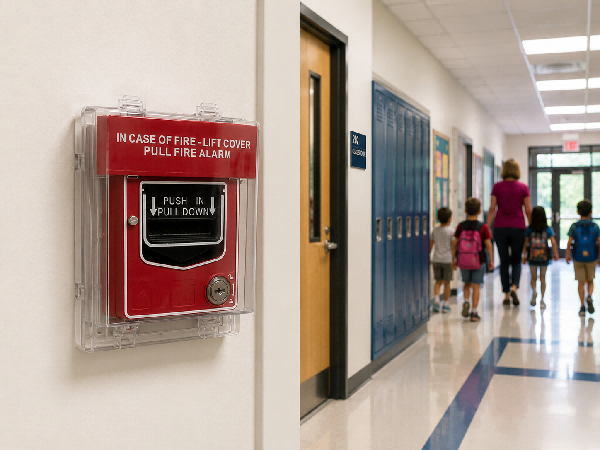
Why Choose IP67 Manual Call Point Cover for School Safety?
An IP67 manual call point cover for school safety is a protective enclosure designed to shield fire alarm manual call points from dust, water, accidental activation, and vandalism in educational environments. In modern school environments, fire safety is not just a compliance requirement—it is a life-saving system that must remain reliable at all times. However, one of the most commonly overlooked risks in school fire protection systems is the accidental or intentional damage to manual call points. This is where the IP67 manual call point cover for school safety becomes essential. Schools are high-traffic environments with students, teachers, visitors, and maintenance staff constantly moving through corridors, classrooms, and shared spaces. Without protection, fire alarm buttons can be easily pressed accidentally, tampered with, or exposed to dust and moisture. A simple disruption can lead to false alarms, unnecessary evacuations, or even system failure during real emergencies. This is why global fire safety engineers and facility managers increasingly recommend installing IP67 manual call point cover for school safety solutions in all educational buildings. What Makes IP67 Protection Important in Schools? The IP rating system defines how well a product resists solids and liquids. IP67 means: Fully dust-tight protection Protection against temporary immersion......
17
2026-06
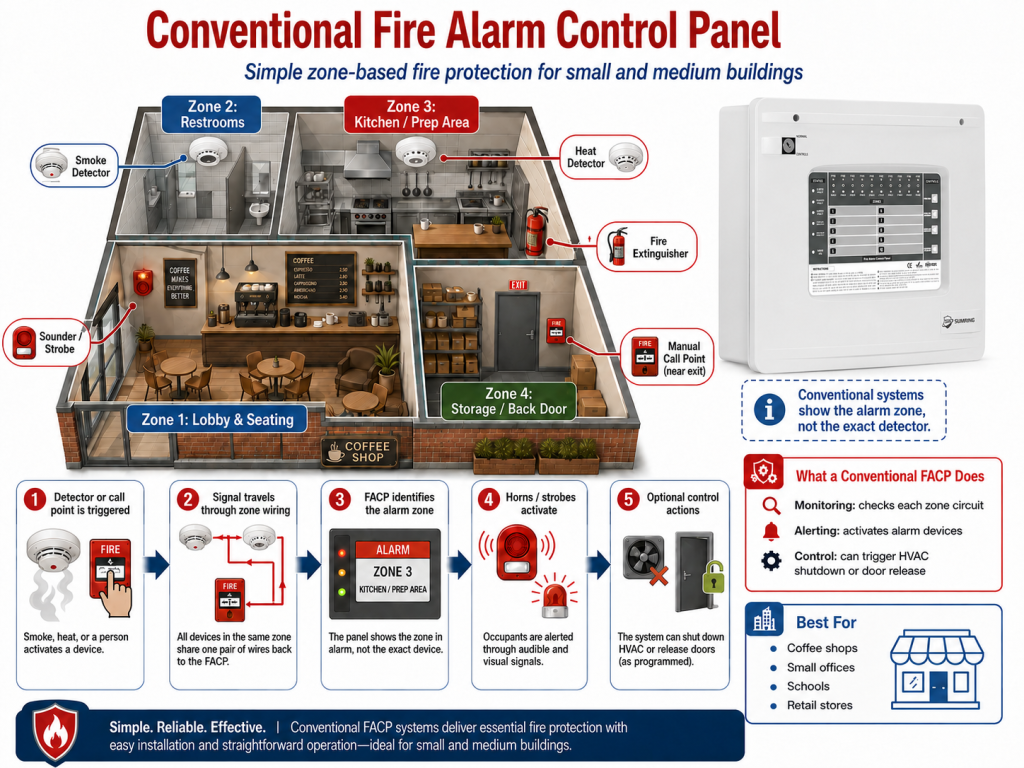
How Does a Commercial Fire Alarm System Work? Complete Guide
A commercial fire alarm system is an integrated safety network that detects fire hazards, processes signals through a control panel, and activates alarms and emergency responses to protect occupants and property. Understanding how fire alarm system works in commercial buildings is essential for building owners, facility managers, and safety engineers. A commercial fire alarm system is not just a siren—it is a coordinated life-safety infrastructure designed to detect threats early, communicate alerts instantly, and support safe evacuation. In modern buildings, fire protection relies on multiple interconnected devices that continuously monitor smoke, heat, gas, and human-triggered alarms. When any abnormal condition is detected, the system activates a structured response chain that ensures rapid reaction and minimizes damage. This article explains the complete process of how fire alarm system works in commercial buildings, including system components, detection logic, control mechanisms, and notification methods. Core Components of a Commercial Fire Alarm System To understand how fire alarm system works in commercial buildings, we must first look at its core components: 1.1 Fire Alarm Control Panel (FACP) The control panel is the “brain” of the system. It: Receives signals from detectors Analyzes alarm conditions Activates notification devices Sends signals to monitoring systems or emergency......
15
2026-06
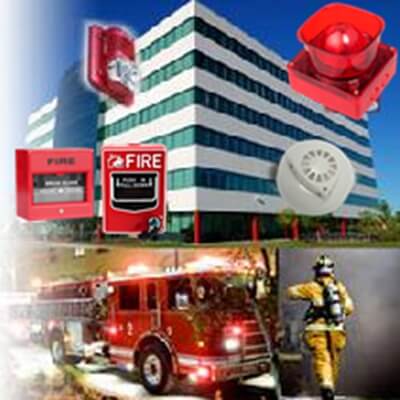
What Are the Main Components of a Building Fire Alarm System?
building fire alarm system
25
2026-05
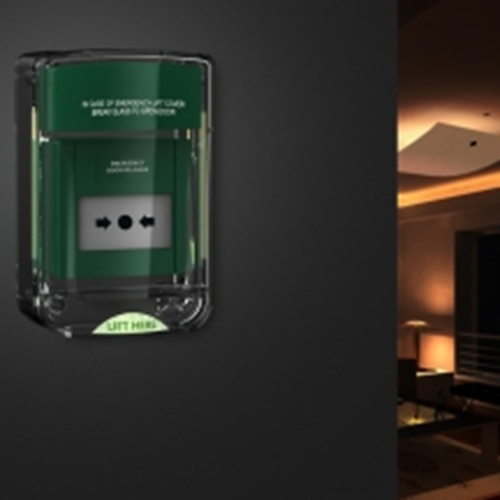
Where Should Fire Alarm Manual Call Points Be Installed?
Fire alarm manual call point installation is the process of placing manual alarm activation devices in visible, accessible, and code-compliant locations so occupants can quickly trigger a fire alarm during an emergency. In modern buildings, fire safety is not only about automatic smoke detectors, heat detectors, or control panels. Human action also plays a critical role. In many real fire situations, people may see smoke, flame, burning smell, or abnormal heat before an automatic detector activates the whole system. This is why a fire alarm manual call point is an essential part of a complete fire alarm system. A correctly installed manual call point allows building occupants to raise the alarm immediately. This faster warning can support earlier evacuation, reduce panic, and help emergency response teams act more efficiently. For public buildings, residential towers, hotels, factories, schools, entertainment venues, and commercial projects, knowing where to install a fire alarm manual call point is a key part of fire alarm system design. What Is a Fire Alarm Manual Call Point? A fire alarm manual call point is a manually operated fire alarm device. It is usually installed on walls along escape routes, near exits, beside staircases, or in public access areas.......
25
2026-03
How Do You Build a Fire Alarm Compliance Matrix for International Projects?
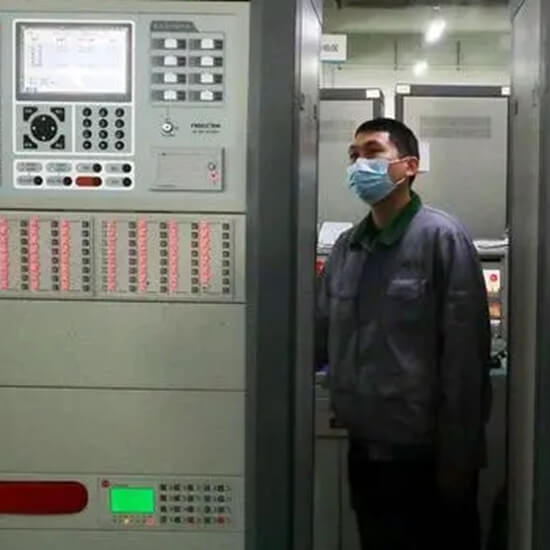
A fire alarm compliance matrix is a structured project document used to verify whether fire alarm products, certifications, system compatibility, technical documents, and approval requirements meet the rules of the final installation market. For international B2B projects, the matrix helps consultants, contractors, distributors, system integrators, and procurement teams identify compliance gaps before tender submission, quotation, or equipment ordering. Instead of asking only whether a product is EN54 or UL certified, project teams can use a fire alarm compliance matrix to connect local regulations with exact product models, certification scope, compatibility documents, site conditions, and approval responsibilities. Why Is a Fire Alarm Compliance Matrix Important? International projects often involve several layers of requirements. A product may meet a recognized standard but still fail project review because the local code, consultant specification, compatibility list, documentation package, or authority approval requires something different. A practical fire alarm compliance matrix helps teams identify the governing code, confirm product certification, check compatibility, define required submittals, assign responsibility, and record gaps before tender submission or procurement. This makes it especially useful for hotels, warehouses, commercial buildings, schools, factories, residential developments, and infrastructure projects across multiple markets. What Should a Fire Alarm Compliance Matrix Include? A useful......
20
2026-03
How to Select Fire Alarm Manual Call Points for Projects?
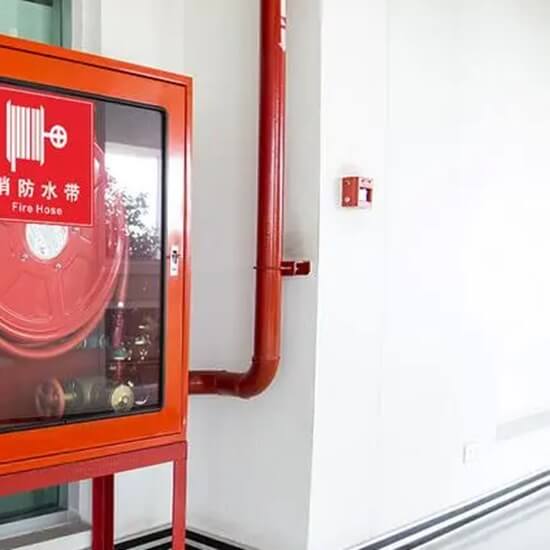
Fire alarm manual call points are manual initiating devices used to trigger a fire alarm when an emergency is identified. For commercial projects, selecting the right model requires more than comparing appearance and price. Contractors, distributors, and system integrators should evaluate system compatibility, electrical contacts, operating method, environmental conditions, project compliance, mounting requirements, and maintenance needs before bulk purchasing. This guide explains how to select the best fire alarm manual call points for commercial projects and how to reduce compatibility risks before sample approval and mass ordering. 1. Check Fire Alarm System Compatibility First, confirm what system the call point will connect to. A conventional fire alarm system normally uses zone circuits. An addressable system uses devices that communicate with a compatible control panel. These system types should not be treated as interchangeable. Before sending an inquiry, confirm: Conventional or addressable system Fire alarm control panel brand and model Zone or loop requirements Required interface or module Existing wiring method For addressable projects, protocol compatibility is especially important. A device may fit mechanically but still be incompatible with the panel. B2B tip: Send the panel datasheet, wiring diagram, or existing call point model before approving a replacement. 2. Confirm Electrical......
03
2024-07
Sumring at World Safety and Security Expo 2024
Let's Discuss Your Project
Contact us for suitable solution, and to meet your needs with maximum efficiency!
1. How can I become a SUMRING distributor?
We welcome global partners for fire alarm system distribution.You can apply for:Regional distributor rights,OEM branding cooperation,Project-based supply agreements,Long-term B2B partnership,Contact us to discuss your target market and business plan.
2. Why choose SUMRING fire alarm systems?
Our Key advantages include:Factory-direct fire alarm manufacturer pricing;Fast delivery for urgent engineering projects;Complete fire detection product portfolio;OEM/ODM customization capability;Stable quality control under ISO9001 system;Suitable for global mid-tier fire protection projects.
3. Do you provide technical support for fire alarm systems?
Yes, we provide full technical support including:Fire alarm system installation guidance,Wiring and configuration support,Troubleshooting assistance,Project-based consultation for distributors and contractors.
4. What shipping methods are available for fire alarm products?
We offer global logistics solutions:Sea freight (main export via Shenzhen / Hong Kong ports),Air freight,Express delivery (DHL, FedEx, UPS, TNT),China-Europe Railway Express (for EU markets).