
what is the combustible gas leak detector ?
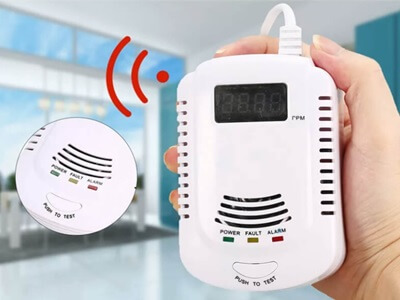
A combustible gas leak detector is an electronic safety device designed to monitor the concentration of flammable gases and generate an alarm when the gas level reaches a preset threshold.
It is commonly used to detect gases such as methane, natural gas, liquefied petroleum gas, propane, and butane. Depending on the product design, the detector may provide an audible alarm, flashing indicator, digital concentration display, relay output, solenoid valve control, or ventilation fan linkage.
For wholesalers, fire safety contractors, system integrators, and engineering companies, selecting the right detector is not only about finding a device that produces a loud alarm. Buyers also need to evaluate gas compatibility, sensor technology, power supply, alarm threshold, output interface, environmental conditions, product consistency, and long-term technical support.
Which Flammable Gases Can It Detect?
A combustible gas leak detector may be designed for one specific gas or calibrated for several gases within a similar detection range.
Common target gases include:
- Natural gas
- Methane, or CH₄
- LPG
- Propane
- Butane
- Coal gas
- Other combustible hydrocarbon gases
However, one detector should not automatically be assumed to detect every flammable gas with the same accuracy. Sensor response varies according to the target gas, calibration method, gas concentration, temperature, humidity, and installation environment.
Before ordering, B2B buyers should confirm the gas used at the project site. For example, a detector calibrated for methane may respond differently to propane or butane. The required installation height may also change because methane is lighter than air, while LPG is generally heavier than air.
What Are the Main Gas-Sensing Technologies?
Combustible gas detectors commonly use three sensing technologies:
1. Catalytic Bead Sensors
Catalytic sensors detect combustible gas through oxidation on a heated sensing element. They are widely used in industrial gas detection and can provide a response related to the percentage of the lower explosive limit.
These sensors can be suitable for many combustible gases, but their performance may be affected by oxygen concentration, sensor poisoning, contamination, or exposure to certain chemicals.
2. Semiconductor Gas Sensors
Semiconductor sensors, often called metal oxide semiconductor or MOS sensors, detect changes in electrical conductivity when the sensing material is exposed to a target gas.
They are widely used in household and light-commercial gas alarms because they can offer high sensitivity, compact construction, and cost-effective mass production.
3. Infrared Sensors
Infrared gas sensors measure the absorption of infrared light by gas molecules. They are frequently used in industrial applications where stable measurement, longer service life, or resistance to sensor poisoning is required.
Each technology has advantages and limitations. The correct choice depends on the application, target gas, measurement range, operating environment, maintenance plan, and project budget.
How Does a Semiconductor Gas Sensor Work?
A semiconductor combustible gas leak detector uses a gas-sensitive metal oxide material whose electrical properties change when combustible gas is present.
In a typical MOS sensing element, semiconductor particles such as tin dioxide are heated to an operating temperature. In clean air, oxygen molecules are adsorbed onto the surface of the sensing material and capture free electrons. This process creates a high-resistance condition.
When a reducing gas such as methane or LPG reaches the sensing surface, it reacts with the adsorbed oxygen. Electrons are released back into the semiconductor material, causing its electrical resistance to decrease. The detector’s electronic circuit measures this resistance change and converts it into a gas concentration signal.
The relationship between resistance and gas concentration is not always perfectly linear. Manufacturers therefore use circuit design, software compensation, calibration, and alarm algorithms to produce a practical and stable alarm response. Figaro, a gas-sensor manufacturer, describes this surface-reaction principle as a core operating mechanism of metal oxide semiconductor gas sensors.
Semiconductor sensors are sensitive, but their performance can also be influenced by temperature, humidity, alcohol vapor, cleaning chemicals, cooking fumes, and other interfering gases. A well-designed detector should therefore include suitable compensation, filtering, sensor fault monitoring, and stable alarm logic.
What Happens When Gas Is Detected?
When the measured gas concentration reaches the detector’s preset alarm threshold, the combustible gas leak detector normally activates audible and visual warnings.
Depending on the system configuration, it may also perform several linkage actions:
- Send a signal through a relay output
- Close an electric or mechanical gas shutoff valve
- Start a ventilation or exhaust fan
- Transmit an alarm to a control panel
- Send a wireless signal through RF technology
- Deliver a mobile notification through Wi-Fi or an app
These functions can help limit further gas accumulation, but a detector should not be described as guaranteeing prevention of an explosion. Its purpose is to provide an early warning and support appropriate safety action before the gas concentration reaches a more dangerous level.
Alarm settings are often expressed as a percentage of the lower explosive limit, or %LEL. The exact alarm threshold depends on the product design, target market, applicable standard, and certification requirements.
Gas detection equipment must also be selected, installed, tested, and maintained correctly. The UK Health and Safety Executive emphasizes that detector accuracy, instrument errors, positioning, and safety precautions all affect performance. OSHA also notes that direct-reading gas monitors require appropriate testing and calibration to provide reliable warnings in combustible atmospheres.
Where Are Combustible Gas Detectors Used?
A fixed combustible gas leak detector can be installed in many residential, commercial, and light-industrial locations, including:
Residential Kitchens
Natural gas or LPG detectors can provide early warning near cookers, boilers, water heaters, and gas pipe connections.
Restaurants and Commercial Kitchens
Restaurants may require multiple detectors because they often use several gas appliances in a concentrated area. Relay outputs can support linkage with gas valves and exhaust systems.
Hotels and Apartments
Detectors may be installed in individual rooms, shared kitchens, boiler rooms, or utility areas, depending on the building design and local requirements.
Boiler Rooms
Fixed gas monitoring can help identify leakage around boilers, regulators, valves, and pipe joints.
LPG Storage and Distribution Areas
Projects involving LPG cylinders or tanks need detectors suitable for heavier-than-air gas behavior and the actual environmental conditions.
Factories and Workshops
Industrial users may require detectors with specialized housings, control-panel communication, higher environmental protection, or approvals for hazardous locations.
A household gas alarm should not be substituted for certified explosion-protected industrial equipment in a hazardous area. Buyers must confirm whether a project requires ordinary indoor detection, commercial monitoring, or equipment specifically approved for potentially explosive atmospheres.
How Should B2B Buyers Select a Combustible Gas Leak Detector?
Purchasing decisions should be based on the project specification rather than price alone.
Confirm the Target Gas
Ask whether the detector is calibrated for natural gas, methane, LPG, propane, butane, or multiple combustible gases.
Check the Alarm Threshold
Confirm how the threshold is expressed and whether it meets the intended market or project requirement. Do not assume that every product uses the same %LEL setting.
Review the Power Supply
Common options include AC plug-in power, DC 12V or 24V input, rechargeable batteries, or mains power with battery backup. The selected voltage must match the installation system.
Evaluate Output Interfaces
For system integration, check whether the unit offers dry-contact relay output, solenoid valve control, fan linkage, RF communication, Wi-Fi, or wired control-panel compatibility.
Assess Environmental Suitability
Temperature, humidity, dust, grease, vapor, insects, and cleaning chemicals can influence detector performance. Commercial kitchens usually require more careful product selection than ordinary residential rooms.
Request Testing and Quality Documentation
Buyers should review the manufacturer’s technical specifications, test procedures, quality-control process, sensor source, production consistency, and available compliance documents.
Certifications such as CE, RoHS, EN standards, UL requirements, or local approvals should only be claimed when they apply to the exact model and configuration being purchased.
Consider OEM and Long-Term Supply
Wholesalers may require customized logos, packaging, manuals, alarm language, plugs, voltage options, or communication functions. Before placing a large order, confirm the manufacturer’s MOQ, sample process, production lead time, warranty policy, spare-part support, and product lifecycle plan.
FAQs
1. What is a combustible gas leak detector used for?
A combustible gas leak detector monitors the surrounding air for flammable gases and activates an alarm when the concentration reaches its preset threshold. Some models can also control valves, fans, or external alarm systems.
2. Can one detector sense both natural gas and LPG?
Some models can respond to both, but their sensitivity and calibration may differ. Buyers should confirm the target gas and approved installation method with the supplier before ordering.
3. Is a combustible gas detector the same as a carbon monoxide detector?
No. Combustible gas detectors monitor flammable gases such as methane or LPG. Carbon monoxide detectors monitor toxic CO gas. A combination detector must contain appropriate sensing elements for both hazards.
4. Where should a combustible gas detector be installed?
Installation depends on the gas type. Methane and natural gas detectors are generally positioned higher because the gas rises, while LPG detectors are usually positioned lower because LPG is heavier than air. Always follow the product manual and local requirements.
5. Why does a semiconductor gas detector need a warm-up period?
The heating element and sensing material need time to reach a stable operating condition. During this period, the detector may perform initialization and sensor-status checks.
6. Can the detector automatically shut off the gas supply?
A detector with a compatible output can send a signal to a solenoid valve or mechanical shutoff device. The detector, valve voltage, output type, wiring method, and reset logic must be compatible.
7. How often should gas detectors be tested?
Testing frequency should follow the manufacturer’s instructions, project maintenance plan, and applicable local regulations. Functional testing and calibration are especially important in commercial or industrial applications.
8. What information should wholesalers provide when requesting a quotation?
Buyers should specify the target gas, quantity, power supply, plug type, alarm threshold, required outputs, installation environment, certification needs, packaging, branding, and expected delivery schedule.
Conclusion
A combustible gas leak detector is an important early-warning device for locations where natural gas, methane, LPG, propane, or other flammable gases may leak. Semiconductor models detect gas by measuring changes in the electrical resistance of a gas-sensitive metal oxide material.
For B2B buyers, reliable purchasing requires more than comparing detector appearance and unit price. Gas compatibility, sensor stability, alarm threshold, installation position, valve or fan linkage, production quality, documentation, customization, delivery capacity, and after-sales support should all be reviewed before a purchase decision is made.
Selecting a properly matched combustible gas leak detector can help wholesalers, installers, and project contractors build a more practical and dependable gas safety solution for residential, commercial, and engineering applications.