What Is a Wired Smoke Detector and How Does It Work?
A wired smoke detector is a hardwired fire safety device connected to a building’s electrical system and often linked with other alarms so that when one detector sounds, the connected units also alert occupants.
A wired smoke detector is widely used in homes, apartments, hotels, schools, offices, and commercial buildings because it offers stable power, interconnection, and stronger whole-area warning than a single standalone alarm. For homeowners, the main value is early warning. For B2B buyers, contractors, and fire safety distributors, the value is system reliability, installation consistency, and long-term project suitability.
Unlike a battery-only smoke alarm, a wired smoke detector is connected to electrical wiring inside the wall or ceiling. In many systems, if one alarm detects smoke, the other connected alarms sound as well. This helps people in bedrooms, hallways, basements, or upper floors hear the alarm faster. Many hardwired alarms also include a backup battery, so the detector can continue working during a power interruption.
Still, installation must be handled carefully. Because a wired smoke detector involves electrical wiring, incorrect installation may create safety risks, false alarms, system failure, or damage to the detector. For new wiring, code-related work, or uncertain wire conditions, a licensed electrician or qualified installer should always be involved.
Why Choose a Wired Smoke Detector?
A wired smoke detector is often selected for buildings where reliable, interconnected fire warning is required. When one unit activates, the signal can trigger other connected units, giving a broader warning across the property. This is especially useful in multi-room homes, rental apartments, hotels, dormitories, and other spaces where people may not hear a single alarm from another room.
For B2B projects, this interconnection is one of the strongest purchasing reasons. A contractor may need consistent alarm performance across dozens or hundreds of rooms. A wholesaler may need products that are easy to explain, easy to stock, and suitable for different installation scenarios. A property developer may prefer hardwired alarms because they support a more complete fire alarm layout.
The key benefits include:
Reliable power from the building electrical system
Battery backup support in many models
Interconnection between multiple detectors
Stable use for residential and light commercial projects
Cleaner installation compared with loose standalone devices
Better suitability for long-term property management

Tools Commonly Used Before Installing a Wired Smoke Detector
Before working around any electrical device, preparation matters. The tools below are commonly associated with wired smoke detector installation or replacement. They should be used by someone who understands electrical safety and local code requirements.
Voltage Detector
A voltage detector helps confirm whether wires or electrical boxes may still be live. This is an important safety check before touching any wiring. Even when a circuit appears to be switched off, testing is necessary because wiring may be mislabeled, shared, or connected differently than expected.
Wire Stripper
A wire stripper removes insulation from the end of a wire without damaging the copper conductor. Damaged wires can create weak connections, overheating, or unreliable alarm performance. Proper stripping helps prepare the wire for a secure connection.
Wire Connectors
Wire connectors are used to join compatible wires safely. Many alarms include connectors, but installers should confirm the correct type, size, and rating. A loose connection can cause intermittent power, nuisance alerts, or failure of the wired smoke detector network.
About Connecting Wires Safely
The main difference between a battery-only alarm and a wired smoke detector is the connection to the building’s electrical wiring. In a typical hardwired alarm, power wires and an interconnect signal wire may be involved, depending on the system design and model.
For safety, this article does not replace the product manual, electrical code, or professional installation guidance. In general, wiring connections must be secure, insulated, and fully enclosed inside the approved electrical box. No bare conductor should remain exposed after the connector is installed. The alarm should also be mounted firmly to its base plate so vibration, dust, or movement does not affect long-term performance.
For replacements, it is important to confirm that the new wired smoke detector is compatible with the existing wiring, mounting base, voltage, and interconnection method. Different brands and models may not always communicate correctly with each other, so matching specifications is essential.
Common Installation Mistakes to Avoid
A wired smoke detector can only protect a building when it is installed and maintained correctly. Some problems are simple, but others can affect the whole alarm network.
Common mistakes include:
Using an alarm with the wrong voltage
Mixing incompatible detector brands in one interconnection line
Leaving exposed wire outside the connector
Installing the detector too close to steam, cooking fumes, or strong airflow
Ignoring low-battery warnings
Failing to test interconnected alarms after installation
Replacing only one alarm in an aging network without checking system condition
Installing without understanding local fire and electrical regulations
For contractors and distributors, these issues are not only technical problems. They can lead to customer complaints, rework, warranty disputes, or project delays. That is why product selection, installer training, and clear documentation all matter.
Where a Wired Smoke Detector Is Commonly Used?
A wired smoke detector is suitable for many residential and light commercial applications. Typical installation areas include bedrooms, corridors, living rooms, stairwells, apartment units, hotel rooms, offices, and shared accommodation buildings.
For B2B buyers, the best model depends on the project type. A hotel may care more about stable batch supply and low nuisance alarms. A residential developer may focus on compatibility, certification options, and cost control. A system integrator may care about wiring layout, alarm output, and long-term maintenance.
When selecting products for overseas markets, buyers should check local requirements and confirm whether the alarm needs specific certifications, labeling, packaging, or language customization.
What B2B Buyers Should Check Before Purchasing?
For wholesalers, engineering contractors, and fire safety procurement teams, buying a wired smoke detector is not just about unit price. A low-cost product that causes false alarms, difficult installation, or inconsistent performance can create higher long-term costs.
Before placing a bulk order, check:
Power supply and backup battery design
Alarm sound level and indicator visibility
Interconnection compatibility
Sensor type and response performance
Operating temperature and humidity range
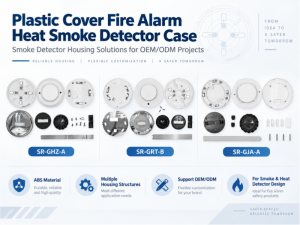
Housing material and flame-retardant structure
OEM/ODM customization options
Manual, label, and packaging language support
Lead time and stable production capacity
After-sales support and replacement policy
If the project involves specific standards such as UL, CE, RoHS, EN14604, or other regional requirements, buyers should confirm the exact certification scope with the supplier. Do not assume one certificate covers every model, market, or installation environment.
Maintenance After Installation
A wired smoke detector still needs regular maintenance. Building managers should test alarms according to the manufacturer’s instructions, keep the detector clean, replace backup batteries when required, and replace aging units at the end of their service life.
Dust, insects, humidity, cooking fumes, and unstable power can affect alarm performance. For rental properties, hotels, and large residential projects, it is useful to create a maintenance schedule and record every inspection. This helps reduce risk and gives property owners clearer responsibility management.
External Resource Suggestion
For general fire safety placement and interconnected smoke alarm guidance, buyers and installers can refer to public resources from the U.S. Fire Administration and NFPA. These resources help users understand why interconnected alarms and proper installation matter.
Internal Link Suggestions
Recommended internal links for your website:
Smoke Detector Product Category
Fire Alarm System Solutions
Carbon Monoxide Detector Products
OEM/ODM Fire Safety Device Manufacturing
Fire Alarm Accessories for Contractors
FAQ
1. What is a wired smoke detector?
A wired smoke detector is a smoke alarm connected to a building’s electrical system. Many models also support interconnection, so multiple alarms can sound together when one detects smoke.
2. Is a wired smoke detector better than a battery smoke detector?
It depends on the project. A wired model offers stable power and interconnection, while a battery model is easier to install. For new buildings or larger properties, wired detectors are often preferred.
3. Does a wired smoke detector need a battery?
Many hardwired smoke detectors include a backup battery. This helps the alarm continue operating during a power outage, but the battery still needs maintenance or replacement according to the manual.
4. Can I install a wired smoke detector myself?
Because it involves electrical wiring, installation should be handled by a qualified person. If you are unsure about the wiring, power supply, or local code, contact a licensed electrician.
5. Can different brands of wired smoke detectors be connected together?
Not always. Interconnection compatibility depends on the model and manufacturer. For safety and reliability, buyers should confirm compatibility before mixing different alarms.
6. Where should wired smoke detectors be installed?
They are commonly installed in bedrooms, hallways, stairwells, living areas, and each level of a building. Always follow local fire safety requirements and the manufacturer’s installation guide.
7. Why do B2B buyers choose wired smoke detectors?
B2B buyers choose them for stable power, interconnection, project consistency, and suitability for residential, hotel, apartment, and commercial safety projects.
8. What should I check before bulk purchasing wired smoke detectors?
Check voltage, backup battery, interconnection method, certifications, sensor type, packaging, customization options, lead time, warranty, and supplier after-sales support.
Conclusion
A wired smoke detector can provide broader and more dependable warning than a single isolated alarm, particularly when compatible detectors are interconnected throughout a property. Battery backup adds another layer of protection when mains power is interrupted.
However, the benefits depend on correct product selection, electrical compatibility, professional installation, and regular testing. Incorrect wiring can stop the alarm network from functioning and may create an electrical hazard.
For B2B distributors and project contractors, the safest purchasing approach is to verify applicable compliance documents, electrical specifications, interconnection limits, production quality, installation support, and after-sales service before placing a bulk order. A properly specified and professionally installed alarm network delivers far greater long-term value than selecting detectors based on price alone.
If your firedetectors are installed incorrectly, the detectors can actually become a fire hazard. And while the irony may be fun, the consequences won’t be. If you’re uncertain at any time during this process, consult a professional or contact us !