Why Carbon Monoxide Alarms Matter for Safer Homes and Workplaces?
Carbon monoxide is one of the most dangerous hidden threats in daily life. It has no color and no smell, so people often do not realize the danger until symptoms begin. Headache, dizziness, weakness, nausea, chest discomfort, and confusion are common warning signs. In more serious cases, carbon monoxide exposure can lead to unconsciousness or death. That is why prevention matters far more than guesswork.
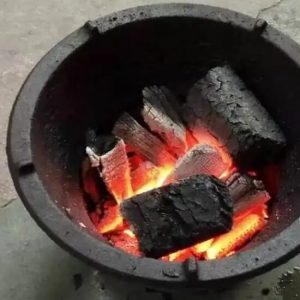
From homes and apartments to staff dormitories, vehicles, workshops, and plant areas, carbon monoxide can appear wherever fuel burns without enough ventilation. Gas water heaters, coal stoves, charcoal fires, furnaces, engines, and enclosed heating equipment all create risk when people use them incorrectly or in poorly ventilated spaces. For this reason, more buyers now search for reliable carbon monoxide alarm solutions that can deliver early warning before a dangerous situation turns into a tragedy.
At SUMRING, we believe prevention starts with awareness, proper installation, and dependable detection. As a gas alarm manufacturer, we recommend combining safe operating habits with high-quality alarm products to reduce carbon monoxide hazards in both residential and commercial environments.

1. Use fuel-burning equipment safely
Any appliance that burns gas, coal, wood, or other fuels needs proper installation and regular inspection. Gas water heaters should follow installation standards. Coal stoves and indoor heating equipment should include suitable exhaust paths. Furnaces and similar systems should not leak smoke or exhaust into occupied areas. Safe use of equipment reduces risk at the source and supports long-term indoor safety.
2. Improve ventilation during bathing and heating
Bathrooms and enclosed utility areas often become risk zones when people use water heaters for long periods. During bathing, users should control shower time, keep ventilation active, and allow air exchange whenever possible. Exhaust fans and open windows can help reduce buildup in enclosed spaces. A carbon monoxide alarm adds another layer of protection because it warns occupants even when carbon monoxide cannot be seen or smelled. NFPA recommends installing CO alarms outside each sleeping area, on every level of the home, and in other required locations according to local rules.
3. Do not ignore vehicle-related carbon monoxide risks
Carbon monoxide danger does not stay inside buildings. Vehicles can also create hazardous conditions, especially when engines idle in enclosed or poorly ventilated areas. Drivers should not leave air conditioning or engine systems running for long periods in a closed space. Fresh air circulation remains essential. In some applications, buyers also look for carbon monoxide poisoning alarms or CO detection devices designed for vehicle or mobile use to strengthen safety protection in transport scenarios.
4. Install alarms in high-risk locations
Early detection saves time, and time saves lives. A carbon monoxide alarm should be installed in places where exposure risk is higher, such as near sleeping areas, rooms with fuel-burning appliances, staff accommodation areas, and other enclosed spaces that need continuous monitoring. For distributors, project buyers, and OEM/ODM partners, this creates strong demand for practical, easy-to-install alarm products that match different building types and local requirements. NFPA’s public guidance emphasizes proper placement and choosing alarms from recognized testing sources.
5. Strengthen protection in industrial and mining environments
In industrial sites, mines, plants, and enclosed operational areas, carbon monoxide can become a serious occupational hazard. Teams should follow safety procedures closely, monitor air quality consistently, and use protective gear when they enter high-risk zones. In these settings, reliable detection and alarm response are critical parts of site management. Businesses that source carbon monoxide alarm products for industrial use often value stable performance, visible alerts, and dependable manufacturing support.
6. Build awareness through regular safety education
Technology helps, but people still need training. Families, workers, property managers, and facility operators should all understand how carbon monoxide forms, where it appears, and why fast response matters. Public education, workplace communication, and clear safety instructions all improve prevention. CDC also stresses that people should not rely on human senses to detect carbon monoxide, because exposure can happen before anyone notices a problem.
Why carbon monoxide alarm demand continues to grow
Search interest and market attention around carbon monoxide alarm and related detector terms remain strong because the buying intent is clear: users want prevention, fast warning, and practical installation. Google Trends remains a useful tool for validating regional keyword movement, while public safety organizations continue to promote detector use and prevention awareness. This combination supports steady search demand for terms such as carbon monoxide alarm, carbon monoxide detector, CO alarm, and carbon monoxide poisoning alarms.
Choose a reliable partner for carbon monoxide safety
A good alarm does more than make noise. It helps protect people, reduce response delays, and support safer living and working environments. For importers, distributors, contractors, and private-label buyers, choosing a reliable gas alarm manufacturer can improve product confidence and long-term market competitiveness.
At SUMRING, we focus on practical gas safety solutions designed for real application needs. Whether you need products for homes, commercial buildings, accommodation projects, or industrial environments, a dependable carbon monoxide alarm can become a key part of your safety offering.
Protect lives before danger becomes visible. Prevention starts with the right alarm, installed in the right place, at the right time.