

home safety
07
2026-05

Where Should You Place a Carbon Monoxide Detector at Home?
06
2026-05

What Is the Best Smoke and Carbon Monoxide Detector for Home Safety?
25
2026-04
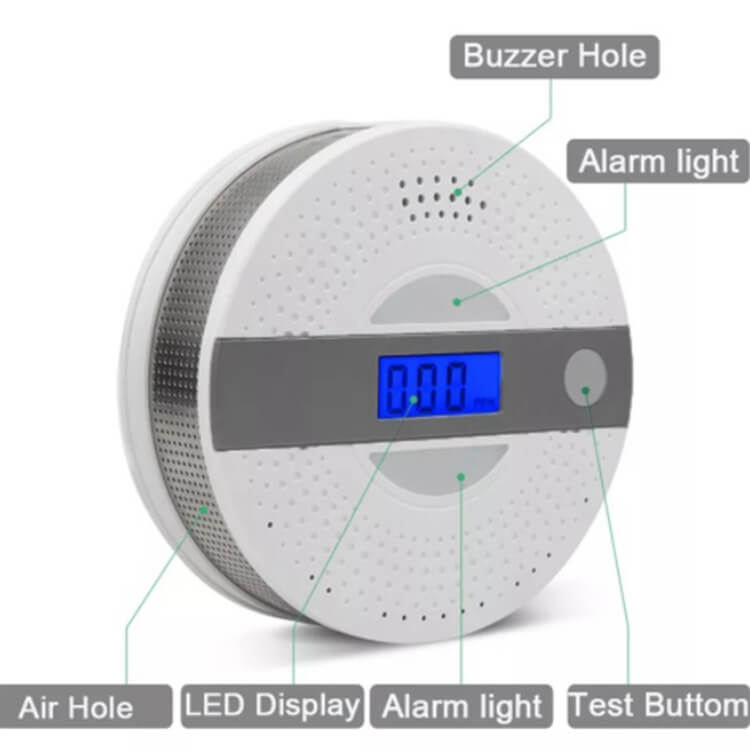
Why Use a Carbon Monoxide Detector for Home Safety?
24
2026-04

Why Should You Buy Carbon Monoxide Detectors For Sale Today for Home Safety?
24
2026-04
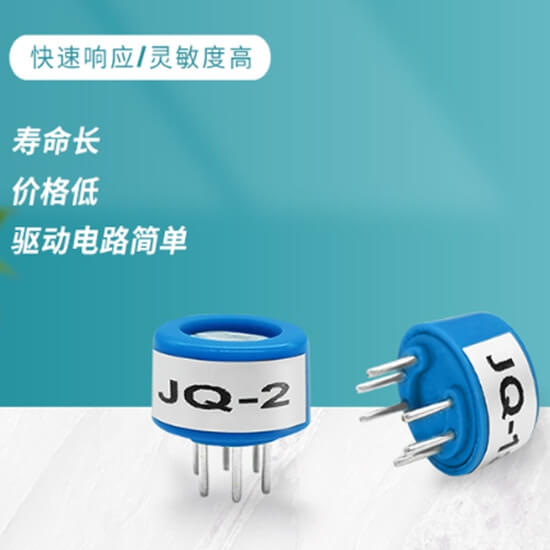
How Does a Semiconductor Carbon Monoxide Detector Work?
17
2026-04
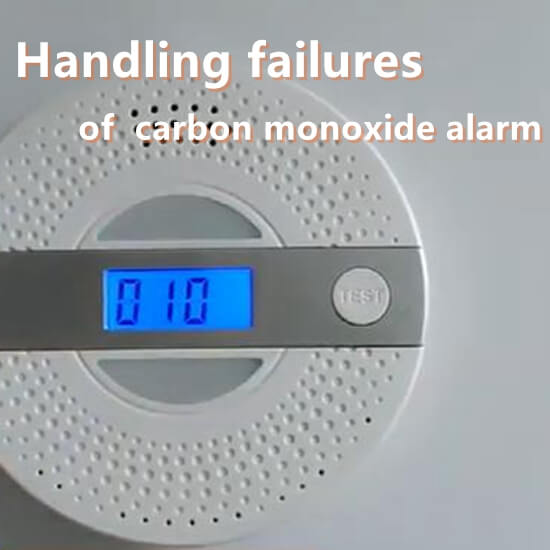
How Do You Fix a Universal CO Detector Failure Safely?
17
2026-04

How Often Should Carbon Monoxide Detector Calibration Be Done?
17
2026-04
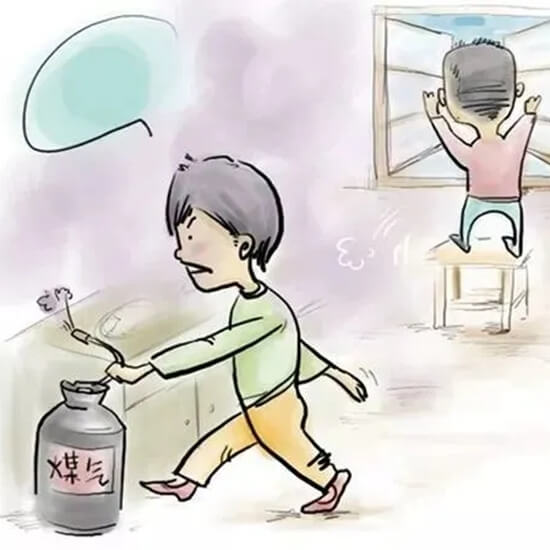
What Home CO Poisoning Risks Can the Best CO Alarm Prevent?
03
2026-04

Winter Carbon Monoxide Safety Guide for Residential Projects
30
2026-03
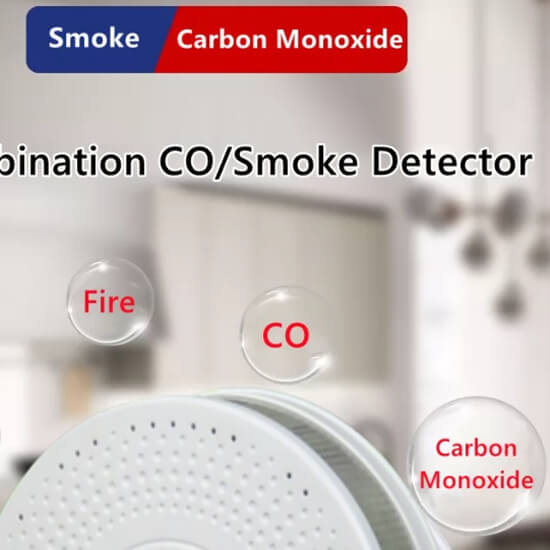
Stand-Alone vs Combination CO Alarm: Which Fits Your Project?
26
2026-03

How Can Commercial Carbon Monoxide Safety Be Improved?
26
2026-03
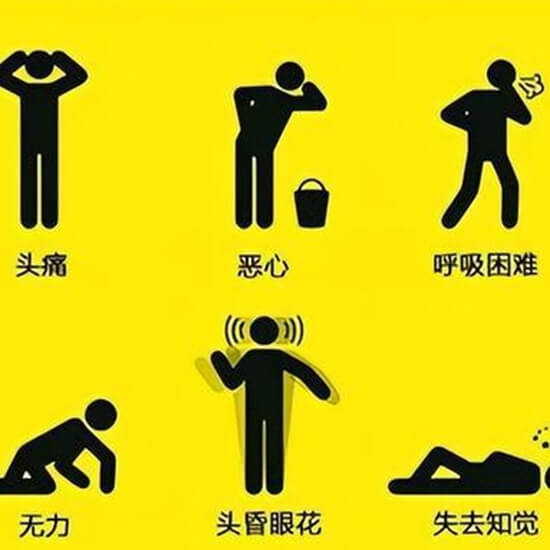
How to Choose a Carbon Monoxide Detector for B2B Projects?
Let's Discuss Your Project
Contact us for suitable solution, and to meet your needs with maximum efficiency!
1. How can I become a SUMRING distributor?
We welcome global partners for fire alarm system distribution.You can apply for:Regional distributor rights,OEM branding cooperation,Project-based supply agreements,Long-term B2B partnership,Contact us to discuss your target market and business plan.
2. Why choose SUMRING fire alarm systems?
Our Key advantages include:Factory-direct fire alarm manufacturer pricing;Fast delivery for urgent engineering projects;Complete fire detection product portfolio;OEM/ODM customization capability;Stable quality control under ISO9001 system;Suitable for global mid-tier fire protection projects.
3. Do you provide technical support for fire alarm systems?
Yes, we provide full technical support including:Fire alarm system installation guidance,Wiring and configuration support,Troubleshooting assistance,Project-based consultation for distributors and contractors.
4. What shipping methods are available for fire alarm products?
We offer global logistics solutions:Sea freight (main export via Shenzhen / Hong Kong ports),Air freight,Express delivery (DHL, FedEx, UPS, TNT),China-Europe Railway Express (for EU markets).