
How to Prevent Carbon Monoxide Poisoning in Your Car?
Carbon monoxide is one of the most dangerous hidden risks in a vehicle. It has no color, no smell, and no taste, but it can quickly affect the people inside a car. Many drivers focus on road safety, but fewer people think about air safety inside the cabin. That is why understanding carbon monoxide poisoning in car situations matters for every driver, passenger, fleet operator, and safety product buyer.
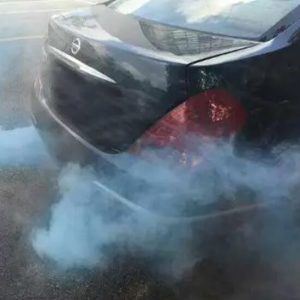
A car can become dangerous when exhaust gases enter the cabin and fresh air does not circulate well. This risk may increase when a vehicle idles for too long, when the exhaust system leaks, or when the exhaust pipe is blocked by snow, debris, or other obstructions. The CDC advises drivers to have the exhaust system checked every year, and NHTSA warns drivers not to run a car for long periods with the windows up or in an enclosed space.
Why can carbon monoxide build up inside a car?
Carbon monoxide comes from fuel burning. When a car engine runs, it produces exhaust gas. Under normal conditions, that gas should stay outside the vehicle. However, several problems can let it enter the passenger area:
- A damaged or leaking exhaust system
- Long idling in a closed or poorly ventilated space
- A blocked tailpipe
- Poor air circulation inside the vehicle
- Sleeping in a parked car with the engine on
Even short exposure can be harmful if the concentration rises. EPA also warns that carbon monoxide can reach deadly levels when a vehicle runs in a garage, even if the garage door is open.

Common symptoms of carbon monoxide poisoning in car
The symptoms of carbon monoxide exposure often start mildly, so many people miss the danger at first. According to CDC clinical guidance, the most common symptoms include headache, dizziness, weakness, nausea, vomiting, chest pain, and confusion. In a vehicle, these signs may feel like fatigue or motion discomfort, which makes the risk even easier to ignore.
If a driver or passenger starts to feel sleepy, dizzy, or weak inside the car, they should treat it as a warning sign. They should open the windows, stop the vehicle in a safe place, turn off the engine, and move to fresh air immediately. EPA also advises seeking emergency medical care if carbon monoxide poisoning is suspected.
How to prevent carbon monoxide poisoning in your car
Preventing carbon monoxide poisoning in car situations starts with simple habits and regular inspection.
1. Do not idle for too long with windows closed
Many incidents happen when people rest, wait, or sleep in a parked car. If the engine runs too long and ventilation is poor, carbon monoxide can build up inside the cabin. Avoid staying in an idling vehicle for extended periods, especially in garages, tunnels, loading zones, or other enclosed areas. CDC and EPA both warn against running a vehicle in a garage because dangerous CO levels can build up fast.
2. Check the exhaust system regularly
A small exhaust leak can create a serious safety problem. The CDC recommends having a mechanic inspect the exhaust system of your car or truck every year. This step is especially important for older vehicles, high-mileage vehicles, commercial fleets, and vehicles used for long-distance travel.
3. Keep the tailpipe clear
In winter, snow, ice, or mud can block the exhaust pipe. NHTSA specifically warns drivers to make sure the exhaust pipe is clear of snow to reduce the risk of carbon monoxide poisoning. This point matters even more when a vehicle is stuck in snow and the engine is running for heat.
4. Increase fresh-air ventilation
Fresh air helps reduce the concentration of harmful gases. If you must keep the vehicle running for a short time, improve ventilation and avoid staying sealed inside the cabin. Good airflow lowers the risk of gas buildup and improves overall cabin safety.
5. Never sleep in a running car
Some drivers, travelers, and truck users rest in their vehicles with the engine on. This habit creates a major risk. A person may fall asleep before noticing the symptoms of carbon monoxide exposure. For this reason, it is safer to stop the engine and move to a properly ventilated resting area.
Why use a carbon monoxide detector for your car?
Routine maintenance is essential, but extra warning protection is also valuable. A carbon monoxide detector for your car gives users an additional layer of safety by monitoring the air inside the vehicle. If the CO level rises beyond a safe range, the detector can alert the driver early, giving them time to react before symptoms become severe.
For vehicle users, a car carbon monoxide detector is especially useful in these situations:
- Long-distance driving
- Fleet management
- Commercial vehicles
- Winter travel
- Camping or mobile work vehicles
- Vehicles with aging exhaust systems
A reliable carbon monoxide detector for your car helps users detect danger earlier, improve response speed, and reduce the risk of serious injury.
Why this topic matters for distributors and safety buyers
Demand for practical gas safety products continues to expand as more users pay attention to personal safety, travel safety, and vehicle air quality. For importers, distributors, and B2B buyers, vehicle-related CO safety products offer a strong opportunity in automotive safety, travel safety, fleet management, and emergency protection markets.
Products linked to prevention, early warning, and portable detection match current market demand well because buyers now want compact, simple, and reliable safety solutions. A carbon monoxide detector for your car fits this demand by combining portability, clear warning function, and real application value.
Carbon monoxide is invisible, but the risk is real. Drivers should not wait for a dangerous incident before taking action. To prevent carbon monoxide poisoning in car situations, inspect the exhaust system, avoid long idling in closed spaces, keep the tailpipe clear, and maintain good ventilation. For added protection, a carbon monoxide detector for your car can provide an early warning and help protect lives.