
What Is the Normal Range of Carbon Monoxide and When Is It Dangerous?
Carbon monoxide is a colorless, odorless gas, so knowing the normal carbon monoxide range is essential for home and workplace safety. In homes without gas stoves, typical CO levels are about 0.5 to 5 ppm. Near properly adjusted gas stoves, levels often stay around 5 to 15 ppm. Poorly adjusted appliances may push CO levels to 30 ppm or higher, which increases health risk.
For exposure safety, 50 ppm is widely used as an upper 8-hour workplace limit. Once carbon monoxide rises beyond that level, the danger grows with both concentration and exposure time. Around 200 ppm, people may develop headache, dizziness, and nausea after several hours. Around 400 ppm, serious symptoms can appear faster and the risk becomes life-threatening with continued exposure. At even higher levels, collapse and death can occur quickly.

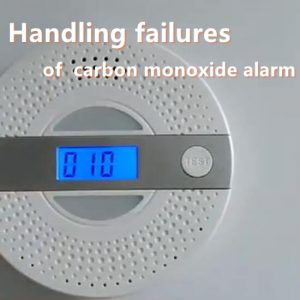
A reliable carbon monoxide detector helps you discover danger before symptoms become severe. For homes, apartments, hotels, garages, boiler rooms, and commercial sites, choosing the right carbon monoxide alarm or gas leak and carbon monoxide detector improves response speed and protects lives. If you want better safety control, select a detector with a clear ppm display, stable sensor performance, and a detection range matched to your environment.