What Is a Heat Fire Alarm and Where Should You Install It?
A heat fire alarm is a fire safety device designed to detect dangerous temperature increases caused by fire and activate an alarm before flames spread and cause serious property damage.
A heat fire alarm, also known as a heat detector or heat alarm detector, is an important part of modern fire protection. Unlike a smoke detector, which senses smoke particles in the air, a heat fire alarm responds to high temperature or a rapid rise in temperature. This makes it especially useful in places where smoke, dust, steam, or humidity may cause false alarms.
Many people use smoke detectors as the first choice for home fire safety, and this is correct in most living areas. Smoke alarms usually detect fire earlier because smoke often appears before the temperature becomes extremely high. However, in some rooms, a smoke detector may not be the best solution. Kitchens, garages, attics, bathrooms, laundry rooms, workshops, and dusty storage areas often create conditions that can trigger unwanted smoke alarms.
That is why a heat fire alarm is a smart choice for these special areas. It helps reduce false alarms while still providing fire warning protection when the temperature becomes dangerous.
What Is a Heat Fire Alarm?
A heat fire alarm is a fire warning device that activates when heat reaches a preset alarm level or rises too quickly within a short time. Its purpose is to detect fire-related heat, not normal temperature changes.
This is different from a temperature sensor. A temperature sensor is often used in HVAC systems, refrigeration systems, smart buildings, or industrial monitoring. It may alert users when the room is too hot or too cold. A heat fire alarm, however, is designed for fire protection. It responds when heat conditions suggest a possible fire emergency.
For example, if a heating system stops working, a temperature sensor may send a building maintenance alert. But if a fire starts in a garage, kitchen, or utility room and the temperature rises rapidly, a heat fire alarm can trigger an audible warning to help people take action.

How Does a Heat Fire Alarm Work?
A heat fire alarm uses a heat-sensitive element to monitor the surrounding temperature. When the air temperature reaches a dangerous level, the detector activates the alarm. Some models also respond when the temperature rises very quickly, even if the final temperature has not yet reached the fixed alarm point.
There are two common working types:
Fixed Temperature Heat Fire Alarm
A fixed temperature heat fire alarm activates when the surrounding temperature reaches a preset threshold. For example, many residential heat detectors are designed around common fixed temperature levels suitable for kitchens, garages, or similar spaces.
This type is stable, reliable, and less likely to react to normal daily temperature changes. It is suitable for areas where slow-developing fires may eventually create high heat.
Rate-of-Rise Heat Fire Alarm
A rate-of-rise heat fire alarm responds when the temperature increases rapidly within a short period. This type can detect fast-growing fires earlier than a fixed temperature detector in some situations.
For example, if a fire suddenly starts in a garage or storage room, the temperature may rise quickly. A rate-of-rise heat detector can sense that sudden change and activate the alarm.
Some advanced heat detectors combine fixed temperature and rate-of-rise functions. This gives users broader fire detection performance for both slow and fast fire conditions.
Heat Fire Alarm vs Smoke Detector: What Is the Difference?
A smoke detector senses smoke particles. A heat fire alarm senses heat. Both devices are used for fire safety, but they are suitable for different areas.
A smoke detector is usually recommended for bedrooms, hallways, living rooms, stairways, and sleeping areas because it can detect smoke early. In many fire situations, smoke reaches the detector before high heat does, giving people more time to escape.
A heat fire alarm is better for areas where smoke detectors may cause false alarms. For example, cooking smoke in the kitchen, dust in the garage, steam in the bathroom, or high humidity in a utility room may trigger a smoke alarm even when there is no real fire.
In simple words: use smoke detectors where early smoke detection is reliable, and use a heat fire alarm where smoke detection is difficult due to environmental conditions.
Where Should You Install a Heat Fire Alarm?
A heat fire alarm is ideal for spaces where smoke, steam, dust, or fumes are common. These areas are usually not the best locations for standard smoke detectors.
1. Kitchen
The kitchen is one of the most common places to install a heat fire alarm. Cooking smoke, steam, oil fumes, and burnt food can easily trigger a smoke detector. A heat detector helps reduce nuisance alarms while still warning users if a real fire produces dangerous heat.
For homes, apartments, hotels, restaurants, and staff kitchens, a heat fire alarm can improve daily fire safety and reduce unnecessary alarm interruptions.
2. Garage
Garages often contain dust, vehicle exhaust, fuel, tools, electrical equipment, and stored materials. These conditions may affect smoke detector performance. A heat fire alarm is a practical solution because it responds to fire heat rather than dust or normal garage particles.
For residential garages, underground parking areas, repair workshops, and storage garages, heat detection can provide reliable fire warning protection.
3. Attic
Attics can be dusty, hot, and difficult to access. In some homes, electrical wiring, insulation, and stored items may create fire risks. A heat fire alarm can help monitor this hidden area without being easily affected by dust.
Because attics may experience higher normal temperatures than living rooms, choosing the correct heat detector type and installation position is important.
4. Bathroom and Laundry Room
Bathrooms and laundry rooms can create steam and humidity. A smoke detector may react to moisture, causing false alarms. A heat fire alarm is more suitable for these areas when fire detection is needed but smoke detection is unreliable.
Laundry rooms can also contain dryers, electrical equipment, lint, and heat-producing appliances, making fire protection especially important.
5. Utility Room and Boiler Room
Utility rooms, electrical rooms, mechanical rooms, and boiler rooms often contain heat sources and equipment. A heat fire alarm can provide added fire safety in these spaces, especially where smoke detectors may be affected by dust, vapor, or equipment conditions.
6. Workshop or Warehouse
Workshops and warehouses may contain dust, sawdust, chemicals, packaging materials, or machinery. In these environments, a heat fire alarm can reduce false alarms and help protect property from fire damage.
Why Choose a Heat Fire Alarm?
A heat fire alarm offers several practical benefits for both residential and commercial users.
First, it helps reduce false alarms. False alarms can cause stress, evacuation, business interruption, maintenance costs, and unnecessary emergency response. In places where smoke alarms are frequently triggered by dust, steam, or cooking fumes, heat detectors are a better choice.
Second, a heat fire alarm helps protect property. Although it may not always detect a fire as early as a smoke detector, it can still provide an important warning when the fire creates dangerous heat. This is especially valuable in garages, kitchens, attics, utility rooms, and storage spaces.
Third, it improves fire alarm system coverage. A complete fire safety plan should use the right detector in the right place. Smoke detectors and heat detectors should not compete with each other. They should work together to provide better protection.
Is a Heat Fire Alarm a Life Safety Device?
In many cases, heat detectors are mainly considered property protection devices because they respond to heat instead of early smoke. That means they may activate later than smoke detectors in some fire situations.
For this reason, a heat fire alarm should not replace smoke detectors in bedrooms, hallways outside sleeping areas, or main living spaces. Smoke detectors are still the recommended first choice for life safety areas.
However, a heat fire alarm plays an important role in spaces where smoke detectors are not suitable. When used correctly, it helps create a more reliable and complete fire alarm solution.
How to Choose the Right Heat Fire Alarm?
When selecting a heat fire alarm, consider the installation environment, fire risk, power supply, alarm method, and system compatibility.
For a home kitchen or garage, an independent heat alarm may be enough. For a commercial building, hotel, warehouse, factory, or apartment project, a wired heat detector connected to a fire alarm control panel may be more suitable.
Important factors include:
Alarm type: fixed temperature, rate-of-rise, or combined type
Installation area: kitchen, garage, attic, utility room, workshop, or warehouse
Power supply: battery-operated, wired, or system-powered
Alarm output: built-in sounder, relay output, or panel connection
Certification: CE, RoHS, EN54, or other project-required standards
Reliability: stable sensing performance and low false alarm rate
Supplier support: OEM, ODM, technical documents, and project guidance
A professional supplier can help you select the right heat fire alarm according to the application environment and market requirement.
Why a Heat Fire Alarm Is Important for B2B Projects?
For distributors, contractors, installers, and fire safety solution providers, a heat fire alarm is not just a single product. It is part of a complete fire protection system.
In real projects, customers often need different detectors for different spaces. Smoke detectors may be used in corridors and bedrooms, while heat detectors are used in kitchens, garages, plant rooms, and dusty locations. Offering a complete detector solution helps increase project value and improve customer satisfaction.
A reliable heat fire alarm can be used in residential buildings, apartments, schools, hospitals, hotels, shopping malls, warehouses, factories, and public facilities. For OEM and ODM customers, customized design, labeling, packaging, and technical support can also help build a stronger local brand.
FAQ:
1. What is a heat fire alarm?
A heat fire alarm is a fire safety device that detects dangerous heat caused by fire. It activates when the temperature reaches a preset level or rises quickly within a short time.
2. Is a heat fire alarm the same as a smoke detector?
No. A smoke detector senses smoke particles, while a heat fire alarm senses temperature changes. Smoke detectors are usually better for bedrooms and hallways, while heat detectors are better for kitchens, garages, attics, and dusty areas.
3. Where should I install a heat fire alarm?
You can install a heat fire alarm in kitchens, garages, attics, bathrooms, laundry rooms, boiler rooms, utility rooms, workshops, warehouses, and other areas where smoke detectors may cause false alarms.
4. Can a heat fire alarm replace a smoke detector?
No. A heat fire alarm should not replace smoke detectors in sleeping areas or main living spaces. It should be used together with smoke detectors as part of a complete fire safety system.
5. Why is a heat fire alarm good for kitchens?
A kitchen often produces cooking smoke, steam, and oil fumes. These can trigger false smoke alarms. A heat fire alarm responds to dangerous heat instead, making it a better choice for kitchen fire protection.
6. What is the difference between fixed temperature and rate-of-rise heat alarms?
A fixed temperature heat fire alarm activates when the temperature reaches a preset level. A rate-of-rise heat alarm activates when the temperature increases rapidly. Some detectors combine both functions.
7. Is a heat fire alarm suitable for a garage?
Yes. A garage can be dusty and may contain vehicle exhaust, fuel, tools, and electrical equipment. A heat fire alarm is suitable because it is less affected by dust than a smoke detector.
8. How do I choose the best heat fire alarm?
To choose the best heat fire alarm, consider the installation area, fire risk, detector type, power supply, alarm output, certification, and whether you need an independent or wired fire alarm system.
Sumring Heat Fire Alarm Solution
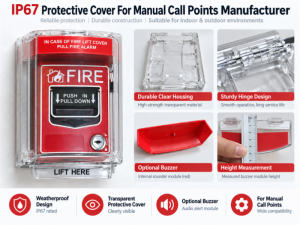
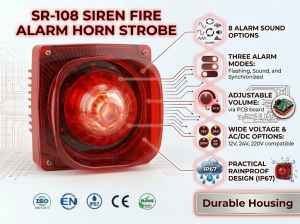
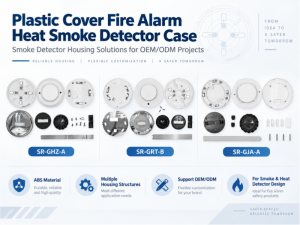
Sumring provides fire alarm and safety detection products for global customers, including IP67 manual call point cover,smoke detectors, heat detectors, combination smoke and heat alarms, carbon monoxide alarms, gas detectors, manual call points, sounders, and fire alarm control panels.
Our heat fire alarm solutions are designed for practical fire protection in kitchens, garages, attics, utility rooms, warehouses, and commercial buildings. With stable performance, easy installation, and project-friendly options, Sumring supports distributors, system integrators, contractors, and OEM/ODM partners.
Whether you need an independent heat detector, a wired heat detector, or a complete fire alarm solution, Sumring can help you choose the right product for your market.