

fire safety
12
2026-05
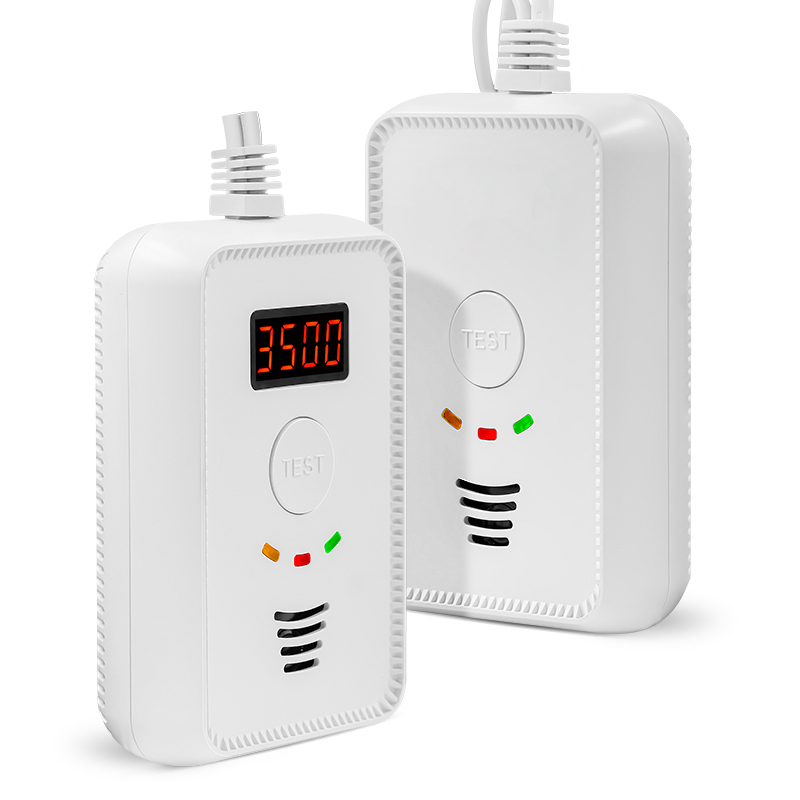
Ndustrial Gas Detector SR-918 Series: Safety, Automation & Compliance
Industrial environments like chemical plants, school boiler rooms, hotel kitchens, and fuel stations are high-risk zones for combustible gas leaks. Installing an industrial gas detector is not simply a matter of placing the device—it requires precise selection, power compatibility, and integration with safety systems. Recent site reviews for 37 B2B clients revealed three common pitfalls in over 80% of industrial setups: 1. Power Mismatch Issues Industrial gas detectors must match site power specifications. Installing a 12-24V model in a site with only 220V outlets (or vice versa) leads to additional power modules and high failure rates. Ensuring correct voltage is the first step in safe deployment. 2. Inability to Activate Solenoid Valves Many industrial regulations require automatic gas cut-off upon alarm. However, inexpensive detectors often lack solenoid valve activation capability, making this feature ineffective. Choosing a model like SR-918NC or SR-918DVY-C ensures full automation. 3. Lack of Relay Output for System Integration Linking a detector to exhaust fans, explosion-proof ventilators, or fire alarm control panels requires dry-contact relay outputs. Many entry-level models omit this feature, causing expensive retrofitting later. Selecting the right model from the start reduces long-term costs. SR-918 Series Functional Comparison Table We analyzed all 8 models of......
09
2026-05
What Are Gas Leak and Carbon Monoxide Detector Requirements for Home Sellers?
gas leak and carbon monoxide detectors
07
2026-05

Where Should You Place a Carbon Monoxide Detector at Home?
25
2026-04
Why Use a Carbon Monoxide Detector for Home Safety?
24
2026-04

Why Should You Buy Carbon Monoxide Detectors For Sale Today for Home Safety?
24
2026-04
How Does a Semiconductor Carbon Monoxide Detector Work?
17
2026-04
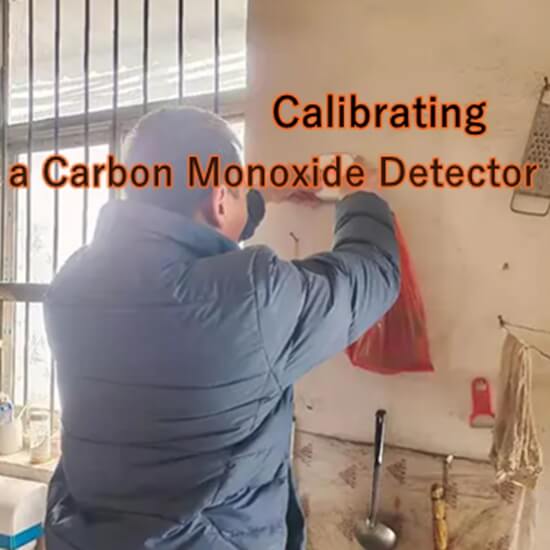
How Often Should Carbon Monoxide Detector Calibration Be Done?
17
2026-04
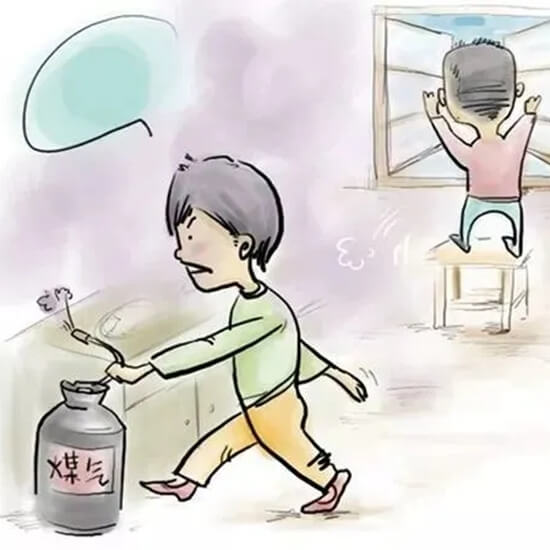
What Home CO Poisoning Risks Can the Best CO Alarm Prevent?
23
2026-03
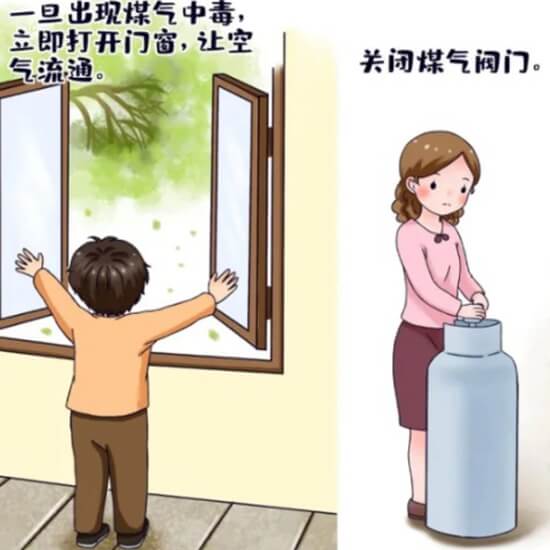
What Should Facility Managers Do in a CO Alarm Response?
A CO alarm response is a documented procedure that facility managers follow when a carbon monoxide alarm activates in a commercial building. It covers evacuation, occupant accountability, emergency communication, alarm investigation, controlled re-entry, incident documentation, and follow-up safety checks. For hotels, offices, schools, warehouses, apartments, boiler rooms, parking facilities, and other managed properties, a structured CO alarm response helps staff act consistently instead of improvising during an alarm event. A structured CO alarm response is especially important for hotels, apartments, offices, schools, warehouses, parking areas, boiler rooms, restaurants, and facilities using fuel-burning equipment. Why Does a Commercial Building Need a CO Alarm Response Plan? Carbon monoxide cannot be reliably identified by human senses. Therefore, facility teams should not wait for visible signs of a problem before taking action. A commercial CO alarm response plan should clearly define: Who initiates evacuation Who contacts emergency services Who accounts for occupants Who records alarm information Who communicates with technicians Who authorizes building re-entry Who completes the incident report This is particularly important in buildings with boilers, generators, kitchens, vehicle areas, furnaces, water heaters, or other fuel-burning equipment. A written response procedure allows staff to act consistently instead of making decisions during an emergency.......
21
2026-03
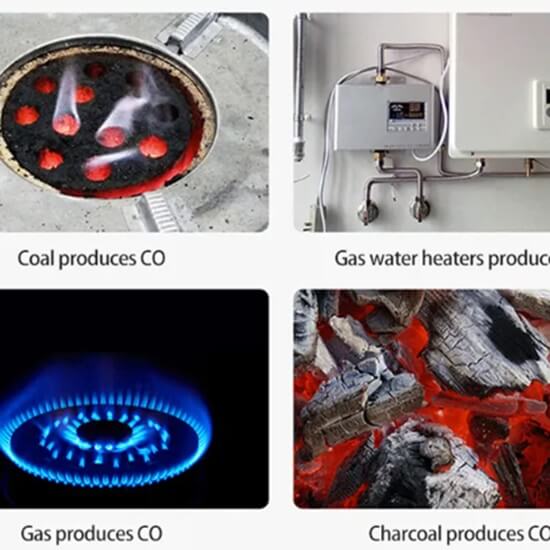
How Should Buyers Choose a Commercial Smoke and CO Alarm?
A commercial smoke and CO alarm is a dual-hazard safety device designed to detect smoke from fire and carbon monoxide from incomplete combustion in projects such as apartments, hotels, dormitories, rental properties, offices, and other occupied buildings. For B2B buyers, the choice should consider project risk, target-market requirements, installation, maintenance, product consistency, and supplier support. Carbon monoxide cannot be reliably identified by sight or smell. The CDC lists headache, dizziness, weakness, nausea, vomiting, chest pain, and confusion among common signs of carbon monoxide poisoning. For building operators, however, symptoms should be treated as an emergency warning—not as a detection method. Projects should rely on properly selected alarms, safe fuel-burning equipment, ventilation, maintenance, and a clear response plan. Why Should B2B Buyers Start With Project Risk? Before comparing models, buyers should identify where CO could be produced. Typical risk sources include boilers, furnaces, water heaters, fireplaces, generators, cooking equipment, and attached vehicle areas. A commercial smoke and CO alarm may be useful where both fire-smoke and CO hazards need to be monitored and where a combination device is permitted by the applicable code or project specification. Hotels and residential-style occupancies may value simplified maintenance, while distributors may value one product that......
08
2022-04
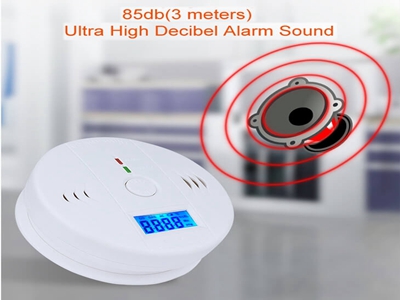
Carbon Monoxide Detector Alarm Principle: How Does It Work?
carbon monoxide detector alarm
Let's Discuss Your Project
Contact us for suitable solution, and to meet your needs with maximum efficiency!
1. How can I become a SUMRING distributor?
We welcome global partners for fire alarm system distribution.You can apply for:Regional distributor rights,OEM branding cooperation,Project-based supply agreements,Long-term B2B partnership,Contact us to discuss your target market and business plan.
2. Why choose SUMRING fire alarm systems?
Our Key advantages include:Factory-direct fire alarm manufacturer pricing;Fast delivery for urgent engineering projects;Complete fire detection product portfolio;OEM/ODM customization capability;Stable quality control under ISO9001 system;Suitable for global mid-tier fire protection projects.
3. Do you provide technical support for fire alarm systems?
Yes, we provide full technical support including:Fire alarm system installation guidance,Wiring and configuration support,Troubleshooting assistance,Project-based consultation for distributors and contractors.
4. What shipping methods are available for fire alarm products?
We offer global logistics solutions:Sea freight (main export via Shenzhen / Hong Kong ports),Air freight,Express delivery (DHL, FedEx, UPS, TNT),China-Europe Railway Express (for EU markets).