How High Should a Carbon Monoxide Detector Be Installed?
Many safety recommendations suggest installing a CO detector on the wall around eye level or approximately five feet above the floor. Some models can also be installed on the ceiling, depending on the manufacturer’s instructions.
Because CO gas may mix with indoor air and can rise with warm air, the most important point is not only height but also correct room selection. Always follow the installation manual supplied with the product. The manufacturer’s instructions should be the final reference for wall mounting, ceiling mounting, spacing, and maintenance.
For B2B buyers and installers, clear installation guidance can reduce after-sales problems and improve end-user satisfaction. A CO alarm with easy installation, clear labeling, and stable sensing performance creates stronger value in residential and commercial safety projects.
Where Should You Avoid Installing CO Alarms?
Correct carbon monoxide detector placement also means avoiding unsuitable locations. Do not install CO alarms directly above or beside fireplaces, gas stoves, ovens, or fuel-burning appliances. These areas may produce small trace amounts of CO during normal operation and could cause false alarms.
Avoid installing detectors in kitchens, bathrooms, laundry rooms, humid spaces, direct sunlight, dusty areas, or near open windows and strong airflow. Humidity, steam, dust, and ventilation changes may interfere with sensor performance.
You should also keep CO alarms out of reach of children and pets. The unit must remain fixed, powered, and unobstructed to provide reliable protection.
Do CO Alarms Work Like Smoke Alarms?
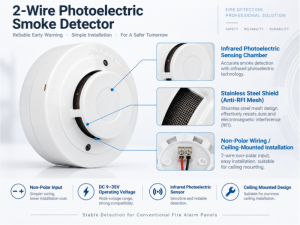
CO alarms and smoke alarms may look similar, but they detect different hazards. A smoke alarm detects smoke particles from fire. A CO alarm detects carbon monoxide gas from incomplete combustion. One device cannot replace the other unless it is specifically designed and certified as a combination alarm.
For better safety, homes and commercial living spaces should use both smoke detectors and UL Listed or properly certified CO alarms. This combination helps protect occupants from fire smoke and carbon monoxide poisoning at the same time.
How Should You Maintain a Carbon Monoxide Detector?
Good maintenance is just as important as proper carbon monoxide detector placement. Test the CO alarm regularly according to the manufacturer’s use and care booklet. Battery-powered detectors should be checked often, and batteries should be replaced at least once a year unless the model uses a sealed long-life battery.
Never remove or “borrow” the battery from a CO alarm. Without power, the detector cannot monitor the air or warn people. For property managers, rental operators, and commercial users, scheduled inspection records can help ensure alarms remain functional across multiple rooms or buildings.
Also clean the unit as recommended by the manufacturer. Dust or dirt may affect performance. Replace old units when they reach the end of their service life. Many CO alarms have a limited sensor lifespan, so buyers should check the product label, manual, or end-of-life warning signal.
What Should You Do If a CO Alarm Sounds?
If a carbon monoxide detector sounds, treat the alarm seriously. Open windows and doors if it is safe to do so, turn off fuel-burning appliances, and move everyone outside immediately. Do not ignore the alarm or assume it is a mistake.
Once outside, call emergency services or the fire department. If anyone feels headache, dizziness, nausea, weakness, chest discomfort, confusion, shortness of breath, or loss of consciousness, seek medical help immediately. Doctors may need to provide oxygen treatment for CO poisoning.
For commercial buildings, dormitories, hotels, and apartments, emergency response procedures should be simple and clearly communicated. A reliable CO alarm gives people early warning, but building managers must also prepare evacuation and maintenance plans.
What Gives Off Carbon Monoxide at Home?
Carbon monoxide can come from many fuel-burning sources. Common household and commercial sources include boilers, water heaters, furnaces, chimneys, fireplaces, gas stoves, gas ovens, clothes dryers, generators, grills, camping stoves, wood stoves, vehicles, open fires, and tobacco smoke.
These products can usually operate safely when properly installed, maintained, and ventilated. However, blocked chimneys, damaged flues, poor ventilation, leaking exhaust systems, or incorrect use can create dangerous CO levels.
That is why carbon monoxide detector placement should be planned around real risk areas, not random convenience.
How to Reduce Carbon Monoxide Risk?
To reduce CO risk, keep heating systems, water heaters, gas appliances, coal-burning equipment, oil-burning equipment, and chimneys serviced by qualified technicians. Make sure vents and flues are not blocked. Keep vehicle exhaust pipes clear of snow or debris. Never run a car inside an enclosed garage.
Do not use a gas oven, gas range, charcoal grill, camping stove, or generator indoors to heat a home. Do not operate generators, grills, pressure washers, or gas-powered equipment inside enclosed spaces unless they are professionally installed and vented.
Watch for warning signs such as soot buildup, yellow or orange flames, rust around flue pipes, damaged chimney bricks, strange stains near appliances, or unusual drafts. Normal combustion flames are usually blue. Yellow or orange flames may suggest incomplete combustion and should be checked.
FAQ
1. Where is the best place to install a carbon monoxide detector?
The best place to install a carbon monoxide detector is near sleeping areas and on every level of the building, including the basement. The alarm should be positioned where occupants can clearly hear it, especially while sleeping. Always follow the detector manufacturer’s installation instructions for the final mounting location.
2. How many carbon monoxide detectors should a house have?
As a general rule, a home should have at least one carbon monoxide detector on every floor. Additional detectors may be needed near separate sleeping areas, attached garages, fireplaces, boilers, water heaters, or other fuel-burning equipment. Larger or multi-level properties usually require multiple alarms for better coverage.
3. How high should a carbon monoxide detector be installed?
Many carbon monoxide detectors can be installed on a wall around eye level, while some models are suitable for ceiling installation. Because installation requirements vary by product design, the manufacturer’s instructions should always be followed for mounting height, spacing, and orientation.
4. Should a carbon monoxide detector be installed inside a bedroom?
A carbon monoxide detector should normally be installed near or outside sleeping areas where its alarm can easily wake occupants. Depending on the detector model and local requirements, additional units may also be installed inside bedrooms. The most important consideration is ensuring reliable detection and clear audibility at night.
5. Can a carbon monoxide detector be installed near a gas stove or fireplace?
It should not normally be installed directly above or immediately beside gas stoves, fireplaces, ovens, or other fuel-burning appliances. Small amounts of combustion gases, heat, steam, or airflow around these areas may interfere with detector performance or contribute to unwanted alarms.
6. Do I need a carbon monoxide detector near an attached garage?
Homes with attached garages should consider carbon monoxide detection in nearby living spaces, particularly rooms located beside or above the garage. Vehicle exhaust can contain carbon monoxide, so suitable detector placement can provide additional early warning if exhaust gases enter the building.
7. Can a smoke detector replace a carbon monoxide detector?
No. Smoke detectors and carbon monoxide detectors are designed to detect different hazards. A smoke detector responds to smoke from a fire, while a carbon monoxide detector monitors CO gas produced by incomplete combustion. A combination detector may provide both functions when it is specifically designed and certified for that purpose.
8. How often should a carbon monoxide detector be tested or replaced?
Carbon monoxide detectors should be tested and maintained according to the manufacturer’s instructions. Battery-powered models should also have their batteries checked regularly unless they use a sealed long-life battery. The entire detector should be replaced when it reaches the manufacturer’s specified end-of-life or gives an end-of-life warning.
Conclusion
Correct carbon monoxide detector placement is just as important as choosing the detector itself.
A well-planned installation should consider sleeping areas, building floors, attached garages, fuel-burning appliances, airflow, humidity, mounting position, and the detector manufacturer’s instructions. Avoid placing alarms simply where installation is easiest. Instead, design the layout around effective early warning and reliable everyday operation.
For homeowners, this means better protection throughout the property. For distributors, contractors, property managers, hotels, apartment projects, and system integrators, proper detector selection and placement can also help reduce installation problems and improve the reliability of the overall safety solution.
If you are sourcing carbon monoxide detectors for residential, hotel, apartment, rental property or commercial projects, SUMRING can support different application requirements with CO detection solutions and OEM/ODM customization.
Need help selecting the right CO detector for your project?
Tell us your application, installation environment, required quantity, target market and customization requirements. Our team can help you evaluate a suitable carbon monoxide detection solution for your project.
Contact SUMRING today to discuss your CO detector requirements and request a project quotation.