What Is a Fire Alarm Control Panel and How Does It Work?
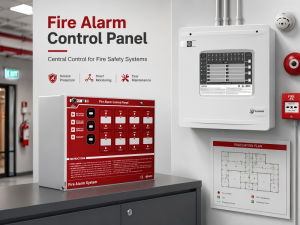
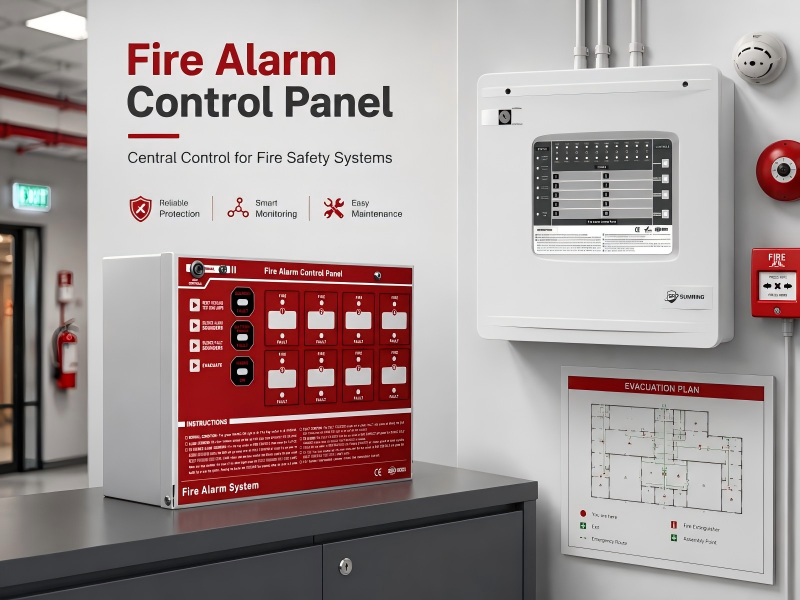
A Fire Alarm Control Panel, commonly called an FACP, is the central control unit of a fire alarm system that receives signals from detection devices, processes alarm conditions, controls notification devices, monitors system faults, and can interface with other building safety equipment.
Whether installed in an office, warehouse, hotel, school, shopping center, factory, or large commercial facility, the Fire Alarm Control Panel acts as the command center connecting the major parts of the fire detection and warning system.
When a smoke detector senses smoke, a heat detector reaches its alarm condition, or someone activates a manual call point, the panel receives the signal and determines what action should follow.
Depending on the system design, it may activate sounders, horns, strobes, voice evacuation systems, relays, fire doors, smoke-control equipment or communication equipment.
NFPA describes the fire alarm control unit as the “brain” of the fire alarm system because it monitors system inputs and controls outputs.
How Does a Fire Alarm Control Panel Work?
A Fire Alarm Control Panel continuously monitors connected initiating devices and circuits for changes in operating condition.
A simplified fire alarm sequence normally looks like this:
Detection → Signal Transmission → Panel Processing → Alarm Output → Building Response
For example, imagine a smoke detector installed inside an electrical room detects smoke.
The process may be:
- The smoke detector enters an alarm condition.
- The detector or circuit sends a signal to the FACP.
- The panel identifies the affected zone or device.
- The FACP displays the alarm information.
- Alarm notification circuits activate horns, sounders, strobes or speakers.
- Programmed outputs may operate relays or connected safety systems.
- Where configured and permitted, the alarm may also be transmitted to a supervising station.
The exact sequence depends on the system configuration, programming, local fire codes and building requirements.
NFPA’s fire alarm system overview similarly shows initiating devices feeding the control unit, which then manages notification appliances, emergency control functions, supervising-station communication and primary/secondary power.
What Devices Connect to a Fire Alarm Control Panel?
The FACP does much more than communicate with smoke detectors.
Common input devices can include:
- Smoke detectors
- Heat detectors
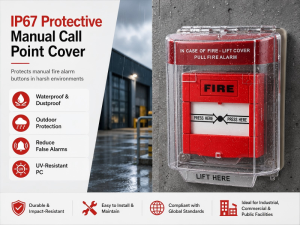
- Manual call points or pull stations
- Waterflow switches
- Sprinkler valve supervisory switches
- Pressure switches
- Fire suppression monitoring devices
- Interface or monitor modules
Common outputs can include sounders, bells, horns, strobes, speaker-strobes and relay-controlled equipment.
NFPA identifies smoke detectors, heat detectors, manually activated devices, waterflow switches and other monitored equipment as typical sources of signals sent to the control unit.
This centralised architecture allows one Fire Alarm Control Panel to supervise multiple fire protection functions instead of operating each device independently.
What Are the Main Types of Fire Alarm Control Panels?
Selecting between conventional and addressable technology is one of the most important decisions when designing a fire alarm system.
Conventional Fire Alarm Control Panel
A conventional FACP divides the building into individual detection zones.
For example:
Zone 1 – Ground Floor
Zone 2 – First Floor
Zone 3 – Warehouse
Zone 4 – Electrical Room
If a detector in Zone 3 activates, the panel normally indicates that Zone 3 is in alarm. It may not identify the exact detector responsible for the signal.
NFPA explains that conventional initiating devices operate through initiating device circuits, with multiple devices generally associated with a particular zone.
Conventional systems can therefore be suitable for:
- Small offices
- Retail shops
- Small warehouses
- Workshops
- Small schools
- Straightforward commercial buildings
Their primary advantages are relatively simple architecture, straightforward maintenance and potentially lower system cost for smaller installations.
Addressable Fire Alarm Control Panel
An addressable Fire Alarm Control Panel communicates with individually identified field devices through a signaling line circuit, or SLC.
Instead of displaying only:
“Zone 3 Fire”
an addressable system might display something similar to:
“Smoke Detector 057 – Electrical Room – First Floor.”
The precise format depends on panel programming.
NFPA notes that addressable devices can communicate a unique identification or address to the control unit, allowing the location of an activated device to be identified at the panel.
Honeywell similarly distinguishes conventional systems, which identify zones, from addressable systems that provide individual device identification and more detailed status information.
Addressable systems are commonly considered for:
- Hotels
- Hospitals
- Large warehouses
- Shopping malls
- Airports
- Universities
- Office towers
- Industrial facilities
- Multi-building projects
They provide better device identification, diagnostics, programming flexibility and expansion potential for complex installations.
Hybrid Fire Alarm Systems
Some projects combine conventional devices with addressable control architecture through compatible interface modules.
A hybrid configuration may be useful during phased upgrades where replacing every existing field device at the same time would be impractical.
Compatibility must always be verified before mixing panels, modules and field devices.
What Are Alarm, Supervisory and Trouble Signals?
Understanding these three conditions is essential when operating a Fire Alarm Control Panel.
1. Alarm Signal
An alarm indicates a potential fire or another programmed emergency condition.
It can originate from a smoke detector, heat detector, manual call point, waterflow device or another approved initiating device.
Depending on system programming, an alarm can activate occupant notification and other emergency control functions.
2. Supervisory Signal
A supervisory signal indicates that equipment or a monitored fire-protection process requires attention but does not necessarily represent an active fire.
One example given by NFPA is a monitored sprinkler valve being closed.
3. Trouble Signal
A trouble condition indicates a fault affecting the fire alarm system.
Examples may include:
- Open circuits
- Wiring problems
- Communication faults
- Power problems
- Battery faults
- Device communication failures
These conditions should be investigated by qualified personnel because a system fault could reduce fire alarm system readiness.
What Features Should a Modern FACP Have?
Although features vary significantly by manufacturer and project type, modern panels may provide:
LCD or LED indication: Clear display of alarm, supervisory, trouble and system status.
Event history: Stores previous system events for maintenance and investigation.
Zone or device identification: Helps personnel locate an activated area quickly.
Alarm silence and reset controls: Allows authorised personnel to manage the system after appropriate investigation.
Primary and standby power: Supports system operation if normal building power becomes unavailable.
Programmable outputs: Enables customised cause-and-effect logic.
Network capability: Allows multiple control panels or nodes to operate as a larger system.
Remote monitoring: Some systems support IP, cellular or cloud-connected monitoring.
Modern commercial panels may also support scalable networking and remote diagnostics, although the exact functionality varies considerably between products and manufacturers.
Can a Fire Alarm Control Panel Integrate With Other Systems?
Yes. Integration is one of the most important functions of modern fire alarm architecture.
Depending on the project and applicable regulations, an FACP may interface with:
- HVAC shutdown
- Smoke-control systems
- Fire doors
- Elevator control
- Fire pumps
- Sprinkler monitoring
- Suppression systems
- Voice evacuation equipment
- Building management systems
- Remote supervising stations
For example, when a confirmed fire condition occurs, programmed relay outputs may close designated fire doors or initiate another approved emergency-control function.
However, these functions should never be treated as simple plug-and-play integrations. Cause-and-effect programming, interface modules, electrical compatibility and applicable fire codes must be reviewed during system design.
What Standards Apply to Fire Alarm Control Panels?
There is no single certification requirement covering every country.
For projects in the United States, NFPA 72 is an important fire alarm and signaling code, while applicable control equipment may also need relevant product listing or certification. UL provides testing and certification services for fire alarm control equipment, and UL 864 is an important standard associated with control units and accessories for fire alarm systems.
For many European and UK projects, EN 54 requirements are highly relevant. BS EN 54-2 specifically covers control and indicating equipment used in fire detection and fire alarm systems and defines requirements, testing methods and performance criteria.
Applicable requirements can vary by country, building type and local authority. Buyers should therefore confirm the required standards with the project’s fire engineer, consultant or Authority Having Jurisdiction before purchasing equipment.
How Do You Choose the Right Fire Alarm Control Panel?
Do not select a panel based only on price or the number of zones shown in a catalogue.
Before requesting a quotation, define these requirements:
| Requirement | Questions to Ask |
|---|---|
| System type | Conventional or addressable? |
| Project size | How many zones, loops and devices? |
| Location | Which country will the system be installed in? |
| Standards | NFPA/UL, EN 54 or another requirement? |
| Inputs | Smoke, heat, MCP, flow switch or other devices? |
| Outputs | Sounder, strobe, relay, voice evacuation? |
| Integration | HVAC, elevator, fire door or suppression? |
| Power | Required mains and standby configuration? |
| Communication | Local only, networked or remote monitoring? |
| Expansion | Will future zones or devices be added? |
For a small building with relatively few detection zones, a conventional system may be sufficient.
For a hotel, hospital, industrial complex or large commercial project requiring exact device identification and flexible cause-and-effect programming, an addressable system will often be more appropriate.
Why Is the Fire Alarm Control Panel So Important?
Individual detectors identify hazards, but the Fire Alarm Control Panel coordinates the system-level response.
Its role includes receiving information, interpreting system conditions, activating warning devices, monitoring faults and controlling connected emergency functions.
Without the correct panel architecture, even good detection devices may not deliver the required building-wide fire alarm performance.
That is why FACP selection should be considered during overall fire alarm system design rather than treated as an isolated hardware purchase.
FAQs
1. What does FACP stand for?
FACP stands for Fire Alarm Control Panel, the central unit that monitors and controls a building’s fire alarm system.
2. What is the difference between a fire alarm panel and an FACP?
In everyday industry usage, “fire alarm panel” and Fire Alarm Control Panel usually refer to the same type of central fire alarm control equipment.
3. What is the difference between conventional and addressable FACP systems?
A conventional system generally identifies the affected zone, while an addressable system can identify individual devices and provide more detailed information about their status.
4. Can smoke detectors connect directly to an FACP?
Yes, compatible smoke detectors can connect through the appropriate conventional circuit or addressable signaling line architecture. Compatibility between the detector, base, module and panel must be verified.
5. Does an FACP work during a power outage?
Fire alarm systems are generally designed with secondary or standby power arrangements. The required backup configuration and duration depend on applicable codes, standards and project specifications. NFPA’s system overview identifies both primary and secondary power as elements serving the fire alarm control unit.
6. Can an FACP control elevators and fire doors?
A properly designed system may interface with elevators, smoke-control equipment, fire doors and other emergency functions through approved control circuits or interfaces. The exact operation depends on code requirements and cause-and-effect programming.
7. Is NFPA 72 required for every Fire Alarm Control Panel?
No. NFPA 72 is particularly relevant to U.S. fire alarm and signaling applications, while other markets may follow standards such as EN 54 or national requirements. Always confirm the requirements for the project’s installation location.
8. What information should I provide when requesting an FACP quotation?
Provide the installation country, conventional or addressable system type, number of zones or loops, estimated device quantity, required detectors and call points, alarm outputs, building-system interfaces, required certification and communication requirements.
Conclusion
A Fire Alarm Control Panel is more than a box that activates an alarm. It is the central decision and control point connecting detectors, manual call points, notification appliances, power supplies and other fire-safety functions.
Planning a new fire alarm project or replacing an existing control panel? Send us your project country, number of zones or loops, detector quantity, required standards and system diagram. Our technical team can help evaluate the appropriate conventional or addressable fire alarm control solution before quotation.