Why Does a Protector Fire Alarm Panel Need Self Inspection?
A protector fire alarm panel self inspection is a routine check used to confirm whether the fire alarm control panel, indicators, alarm output, power supply, battery backup, display, and connected circuits are working correctly before a real emergency happens.
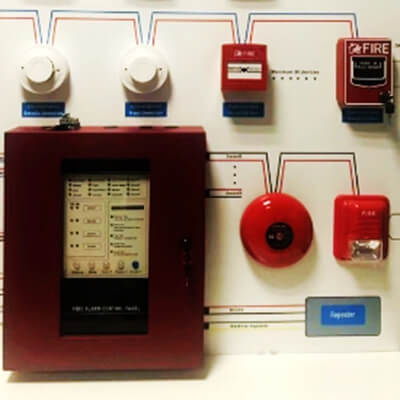
A protector fire alarm panel self inspection is important because the fire alarm panel is the command center of an automatic fire alarm system. It receives signals from smoke detectors, heat detectors, manual call points, and other fire detection devices. It displays system status, identifies alarm or fault information, activates sound and light alarms, and helps building managers take fast action when danger appears.
For commercial buildings, factories, warehouses, hotels, schools, offices, and public facilities, a fire alarm system must remain ready every day. A system may look normal from the outside, but hidden faults can still appear inside the control panel, power supply, battery, communication line, display, buzzer, printer, or connected circuit. This is why protector fire alarm panel self inspection should never be treated as a small task. It is a practical maintenance step that supports reliability, safety, and long-term system performance.
Why Is Protector Fire Alarm Panel Self Inspection Necessary?
The main reason for protector fire alarm panel self inspection is system reliability. A fire alarm system cannot protect people or property if the control panel fails to receive signals, display accurate status, or send alarm commands. The panel must stay stable during daily operation and respond correctly during emergencies.
Through regular self inspection, operators can check whether the display is clear, whether the indicator lights work normally, whether the buzzer produces sound, whether the alarm output responds, and whether the panel can identify fault or alarm conditions correctly. These checks help confirm that the protector fire alarm panel is not only powered on, but actually ready to perform its safety function.
For project buyers and distributors, this point is especially important. When end users choose a fire alarm control panel, they do not only care about price. They also care about whether the product is easy to inspect, easy to maintain, and stable after installation. A panel with clear self inspection functions can reduce after-sales pressure and improve customer confidence.
Faster Fault Detection Before Real Fire Events
Another major value of protector fire alarm panel self inspection is early fault detection. In real projects, a fire alarm control panel may face many hidden problems after installation. These may include abnormal indicator lights, weak battery backup, communication failure, circuit faults, power supply problems, printer malfunction, display errors, or internal module issues.
If these faults are not found early, they may only become visible during an actual fire. At that moment, every second matters. A delayed alarm, unclear display, or failed output may create serious risk for people inside the building.
Regular protector fire alarm panel self inspection helps maintenance teams discover problems before they become emergencies. Operators can identify abnormal status, arrange repair work, replace faulty parts, and restore the system to normal condition in time. This proactive method reduces downtime and improves the overall health of the automatic fire alarm system.
Confirming Alarm, Display, and Notification Performance
A protector fire alarm panel must do more than receive detector signals. It must also communicate alarm information clearly. In an emergency, building managers need to know where the signal comes from, what type of event occurred, and whether related alarm devices have been activated.
During protector fire alarm panel self inspection, users can check several key functions:
The LCD or LED display should show information clearly.
The sound alarm or buzzer should work normally.
The indicator lights should respond correctly.
The panel should show fault, fire, power, and system status clearly.
The printer or event record function should remain available where applicable.
The alarm output should support linked notification devices.
These inspection points help confirm that the fire alarm panel can guide emergency response properly. For commercial and industrial projects, clear alarm information can help security teams, facility managers, and maintenance staff act faster and reduce confusion.
Supporting Power Supply and Battery Backup Safety
Power supply is one of the most important parts of a fire alarm system. A protector fire alarm panel usually depends on main power during normal operation and battery backup during power failure. If the backup battery is weak, disconnected, aged, or damaged, the system may fail when the building loses electricity.
That is why protector fire alarm panel self inspection should include power status and battery backup checks. Operators should confirm whether the main power is normal, whether the battery is charging correctly, whether the panel reports battery faults, and whether the system can maintain basic operation during power problems.
For buyers, this is also a product selection point. A good protector fire alarm panel should make power and battery status easy to understand. Clear fault indicators and simple inspection procedures help users respond quickly and reduce maintenance uncertainty.
Better Maintenance After Commissioning, Repair, or Troubleshooting
After a fire alarm system is commissioned, repaired, or adjusted, self inspection becomes even more important. Maintenance work may involve wiring changes, device replacement, parameter adjustment, battery replacement, or circuit repair. After these operations, the system should not be assumed to be normal. It must be checked.
A structured protector fire alarm panel self inspection helps confirm that the panel has returned to a safe working condition. It allows operators to verify display status, alarm output, sound and light indicators, power condition, and connected device response after service work.
This habit improves maintenance discipline. It also helps service teams create a more professional workflow. Instead of only solving one visible problem, technicians can confirm the complete control panel status before handing the system back to the building owner.
Why Buyers Should Care About Self Inspection Functions?
For manufacturers, distributors, contractors, and project buyers, protector fire alarm panel self inspection is not only a technical topic. It is also a product value point.
A well-designed protector fire alarm panel should help users complete inspection quickly and clearly. Buyers often prefer fire alarm panels with simple operation, stable indicator response, clear fault display, reliable communication, and convenient maintenance features. These features reduce training difficulty and make daily management easier for end users.
In B2B projects, this can become a strong selling point. A fire alarm control panel that is easy to inspect can help distributors explain product advantages more clearly. It can also help contractors reduce service calls and support long-term customer satisfaction.
For example, when selling a protector fire alarm panel to a hotel, warehouse, office building, or factory project, suppliers can highlight how self inspection supports daily safety management. This turns the product from a simple control device into a practical fire safety management solution.
Common Points Checked During Protector Fire Alarm Panel Self Inspection
A practical protector fire alarm panel self inspection usually focuses on the following areas:
Power-on status and system startup condition.
Main power and battery backup condition.
Display screen or LED status.
Buzzer and sound indication.
Fire, fault, and system indicator lights.
Alarm output and related notification functions.
Printer or event recording function if available.
Communication status with connected devices.
Circuit condition and abnormal fault messages.
Reset, silence, and control button response.
These checks help confirm whether the panel remains ready for fire detection, alarm transmission, and emergency response. The process does not need to be complicated, but it should be regular, clear, and documented when required by the project or local maintenance process.
How Self Inspection Improves Fire Safety Confidence?
Building operators need confidence that their fire alarm system is ready. Without regular inspection, the system may only be checked after a fault appears or after an emergency occurs. That is not enough for reliable fire protection.
A routine protector fire alarm panel self inspection gives operators a simple way to confirm system health in advance. It helps teams move from passive reaction to active prevention. For schools, hotels, factories, shopping areas, office buildings, and warehouses, this approach can reduce risk and improve daily safety management.
For end users, the benefit is peace of mind. For distributors, the benefit is stronger product trust. For contractors, the benefit is easier maintenance. For manufacturers, the benefit is a clearer product advantage in a competitive fire alarm market.
A protector fire alarm panel self inspection is essential because it helps confirm system reliability, detect faults early, verify alarm and display functions, check power and battery backup, and support safe maintenance after commissioning or repair. It is not just a routine button check. It is a practical way to protect the performance of the entire automatic fire alarm system.
For B2B buyers, choosing a protector fire alarm panel with user-friendly self inspection features can reduce maintenance pressure, improve project reliability, and make fire safety management easier for end users.
If you are looking for a dependable fire alarm solution for commercial buildings, factories, warehouses, hotels, schools, or offices, choosing the right protector fire alarm panel can make daily inspection faster, maintenance easier, and fire protection more reliable. Contact Sumring to explore fire alarm panel solutions designed for safer projects and smarter B2B fire protection management.
FAQ:
1. What is a protector fire alarm panel self inspection?
A protector fire alarm panel self inspection is a routine check used to confirm whether the fire alarm control panel, display, indicators, buzzer, alarm output, power supply, battery backup, and connected circuits are working properly before a real fire emergency occurs.
2. Why is protector fire alarm panel self inspection important?
It is important because the fire alarm panel is the command center of the entire fire alarm system. If the panel fails to receive signals, display fault information, activate alarms, or support emergency response, the whole fire protection system may become unreliable.
3. What functions should be checked during self inspection?
A complete self inspection usually checks the LCD or LED display, fire and fault indicators, buzzer, alarm output, main power, backup battery, communication lines, printer or event record function, circuit condition, reset button, silence button, and other control functions.
4. How does self inspection help detect faults early?
Regular self inspection helps operators find hidden problems such as weak battery backup, display errors, power supply faults, abnormal indicator lights, communication failure, circuit faults, or alarm output issues before they affect real emergency performance.
5. Why should buyers care about self inspection functions?
B2B buyers, contractors, and distributors should care because a fire alarm panel with clear self inspection functions is easier to install, maintain, explain, and manage. It can reduce after-sales pressure, improve user confidence, and support long-term project reliability.
6. When should a protector fire alarm panel self inspection be performed?
Self inspection should be performed regularly as part of daily or scheduled maintenance. It should also be done after installation, commissioning, repair, battery replacement, wiring adjustment, device replacement, or troubleshooting work.
7. Can self inspection replace professional fire alarm maintenance?
No. Self inspection is an important routine check, but it should not completely replace professional maintenance. For serious faults, system errors, wiring problems, or abnormal alarm behavior, qualified technicians should inspect and repair the system according to project requirements and local safety standards.
8. What are the benefits of choosing a fire alarm panel with user-friendly self inspection features?
A user-friendly protector fire alarm panel makes daily inspection faster, fault checking clearer, maintenance easier, and emergency readiness stronger. It helps building owners, facility managers, contractors, and distributors improve safety management while reducing operational uncertainty.
If you are looking for a dependable protector fire alarm panel for commercial buildings, factories, warehouses, hotels, schools, or office projects, Sumring can support your fire safety needs with practical, reliable, and B2B-ready fire alarm solutions. Contact Sumring today to make daily inspection easier and fire protection more reliable.