What Precautions Matter During Fire Alarm System Inspection Precautions?
Fire Alarm System Inspection Precautions is the regular process of checking, testing, and recording the condition of detectors, control panels, power supplies, alarm circuits, and linked fire safety devices to confirm that the system can respond correctly during a real emergency.
An automatic fire alarm system is not only a group of devices installed on walls or ceilings. It is a complete safety network designed to detect early fire signs, send signals to the control panel, activate warning devices, and trigger emergency linkage equipment when required. For facility managers, contractors, system integrators, and buyers searching for a fire alarm system for sale, understanding inspection precautions is essential before and after installation.
A system may look complete from the outside, but true protection depends on daily reliability. Smoke detectors must sense smoke correctly. Manual call points must send signals without delay. The fire alarm control panel must display accurate information. The main power and backup batteries must stay stable. Emergency lighting, evacuation indicators, fire doors, shutters, and other linkage devices must respond according to the programmed logic.
That is why fire alarm system inspection should never be treated as a simple visual check. It is a practical safety process that helps reduce false alarms, detect hidden faults, support compliance, and improve emergency readiness. For B2B buyers, a reliable product is only the first step. Long-term value comes from choosing a system that is easy to inspect, simple to maintain, and stable in real projects.
Why Is Fire Alarm System Inspection Important?
Regular fire alarm system inspection helps confirm whether the system can perform its core function: warning people before fire conditions become dangerous. In commercial buildings, warehouses, hotels, schools, factories, offices, and public facilities, even a small failure may delay evacuation or weaken the entire fire protection chain.
Inspection matters because it helps users find problems early. A detector may become dirty. A wire may loosen. A backup battery may age. A control panel may show an incorrect address. A linkage output may fail because of wiring, programming, or device damage. Without routine testing, these problems may remain hidden until an emergency happens.
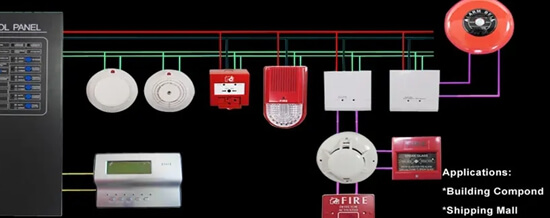
For project buyers considering a fire alarm system for sale, inspection convenience should be part of the purchasing decision. A good system should support clear alarm display, simple reset operation, stable communication, reliable power switching, and practical maintenance records. These details help contractors reduce after-sales pressure and help end users improve daily safety management.
1. Test Detectors With Correct Methods
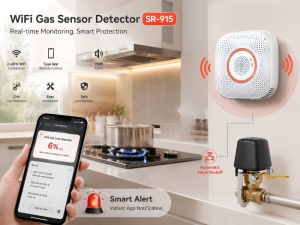
Detector testing is one of the most important steps in fire alarm system inspection. Smoke detectors, heat detectors, gas detectors, and other sensing devices should be tested with suitable tools and according to the product type. Informal testing methods may damage the device, create inaccurate results, or cause unnecessary contamination.
For smoke detectors, use a suitable smoke test tool instead of random smoke sources. When test smoke reaches the detector, the indicator light should respond correctly. At the same time, the detector should send an alarm signal to the fire alarm control panel. The panel should show the correct zone, address, device type, and alarm time.
This step confirms several key points:
The detector can sense abnormal conditions.
The signal can reach the control panel.
The panel can identify and display the event.
The alarm record can be saved for later review.
After the test, staff should silence and reset the system promptly. Long alarm duration may disturb site operation and may place unnecessary stress on some system components. For commercial projects, testing should be organized carefully so that occupants understand it is a planned inspection, not a real emergency.
2. Confirm the Fire Alarm Control Panel Display
The fire alarm control panel is the center of the automatic fire alarm system. During fire alarm system inspection, users should check whether the panel displays information clearly and accurately. If the panel cannot show the correct detector address, zone, fault status, or alarm history, troubleshooting becomes difficult.
A good inspection should confirm:
Alarm display accuracy
Device address or zone information
Sound and light indication
Silence function
Reset function
Fault display
Communication status
History record readability
Panel clock accuracy
The event history is especially important. If the panel time is wrong or records are incomplete, maintenance teams may not be able to trace when a fault happened. This can delay repair and affect compliance documentation.
For buyers comparing a fire alarm system for sale, the panel interface should be easy to understand. Clear indicators, stable communication, simple operation, and readable records make the system more practical for facility managers and installers.
3. Inspect the Main Power Supply
Power supply stability directly affects system reliability. During fire alarm system inspection, the main AC power supply should be checked carefully. The system should not share unstable circuits with heavy electrical equipment, high-power machinery, or lighting lines that may cause voltage fluctuation.
If the fire alarm system shares a circuit with other equipment, power interference may lead to fault signals, system instability, or unexpected shutdown. In practical projects, a dedicated circuit is usually a better choice because the alarm system must remain active even when other building equipment starts, stops, or overloads.
Inspection should include:
Main AC power status
Power indicator condition
Wiring connection
Circuit separation
Voltage stability
Power fault signal response
Distribution box condition
Grounding condition
For contractors and distributors, power supply design should be discussed before installation. When promoting a fire alarm system for sale, it is useful to remind customers that good product quality must work together with proper site wiring. A reliable system can still perform poorly if the power supply design is weak.
4. Test Backup Battery and Power Switching
A fire alarm system must continue working during a main power failure. That makes backup power one of the most critical points in fire alarm system inspection. Standby batteries should be checked regularly to confirm they can support system operation when AC power is interrupted.
During inspection, users should test whether the system switches smoothly from main power to backup power. The control panel should remain functional. Alarm circuits should stay active. Linked devices should remain responsive. No abnormal fault should appear during the changeover.
Key inspection points include:
Battery voltage
Battery age
Battery appearance
Terminal condition
Charging status
Backup power fault display
Power switching function
Panel operation under backup power
Old or damaged batteries should be replaced in time. A battery that looks normal may still have reduced capacity after long-term use. For buildings with high occupancy or complex fire safety requirements, backup power testing is not optional. It directly affects emergency continuity.
For project buyers choosing a commercial fire alarm system, backup power performance is a major value point. A system that supports stable standby operation helps protect buildings even during power failure.
5. Check Manual Call Points and Alarm Buttons
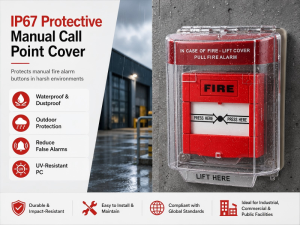
Manual call points are important because they allow people to trigger the alarm manually when they discover a fire. During fire alarm system inspection, every manual call point should be tested to confirm that it can send a signal to the control panel.
The inspection should confirm:
Clear device visibility
Easy access
Correct installation height
No physical damage
Normal activation
Correct panel display
Successful reset after testing
Stable communication
In public buildings, warehouses, factories, and commercial spaces, manual call points must remain easy to find and easy to operate. They should not be blocked by furniture, storage boxes, decoration, or temporary construction materials.
For distributors offering a fire alarm system for sale, manual call points with durable materials, clear markings, and convenient reset design can help reduce maintenance difficulty and improve user experience.
6. Verify Sounders, Strobes, and Alarm Bells
Warning devices must be loud and visible enough to alert people during an emergency. During fire alarm system inspection, alarm bells, sounders, sirens, and strobe lights should be tested to confirm they activate correctly.
The inspection should check:
Sound output
Strobe flashing
Device visibility
Device location
Wiring condition
Synchronization if required
Panel control response
Reset after alarm
In noisy industrial environments, sound level becomes especially important. In large commercial areas, visual alarm devices may also be necessary to improve warning coverage. If warning devices are weak, damaged, or poorly located, occupants may not receive the alarm in time.
A high-quality automatic fire alarm system should support stable alarm output and flexible device connection. This is especially important for contractors working on different types of projects.
7. Verify Linkage With Emergency Devices
A complete fire alarm system inspection should not stop at detectors and panels. It should also confirm whether linked fire safety equipment responds correctly. In many projects, the fire alarm system is connected with emergency lighting, evacuation indicators, smoke control devices, fire doors, fire shutters, and other outputs.
When an alarm is triggered, the system should activate programmed linkage actions without delay. If any linked device fails, the safety chain becomes weaker.
Common linkage devices include:
Fire accident lights
Evacuation indicators
Emergency lighting systems
Fire doors
Fire shutters
Smoke control fans
Alarm change-over switches
Elevator control interfaces
Fire control equipment
Each linkage function should be tested according to the project design. The test should confirm not only whether the device activates, but also whether it activates in the correct sequence and under the correct alarm condition.
For B2B buyers looking for a fire alarm system for sale, linkage compatibility is a key purchasing factor. A practical system should connect smoothly with common fire safety equipment and support reliable project integration.
8. Notify Relevant People Before Testing
Before scheduled fire alarm system inspection, responsible staff should notify building occupants, security personnel, maintenance teams, and the monitoring company if connected. This prevents unnecessary panic and reduces the chance of unwanted emergency response.
Notification is especially important in:
Office buildings
Shopping centers
Hotels
Schools
Hospitals
Factories
Warehouses
Residential complexes
People should know the test time, test area, expected alarm sounds, and who is responsible for the work. If the system connects to a remote monitoring center, the monitoring party should also be informed before testing begins and after testing ends.
This step may seem simple, but it shows professional management. It also helps the inspection team work more smoothly.
9. Re-Test After Repair, Replacement, or Adjustment
Any system repair or adjustment may affect performance. After replacing a detector, changing wiring, updating software, adjusting linkage logic, or repairing a control panel, users should perform re-testing.
Re-testing confirms that the automatic fire alarm system still works as intended after changes. A small wiring change may affect signal communication. A replaced device may have a different address. A programming adjustment may change linkage output. Without re-testing, these problems may remain unnoticed.
After repair, check:
Device communication
Panel display
Alarm activation
Fault recovery
Reset function
Linkage output
Power condition
Event record
For contractors, this step is also important for handover quality. For facility managers, it helps ensure the system is truly ready after maintenance.
10. Keep Complete Inspection Records
Good documentation is a major part of fire alarm system inspection. Records help prove that the system has been inspected, tested, maintained, and repaired properly. They also support future troubleshooting and maintenance planning.
Useful records include:
Inspection date and time
Inspector name
Tested devices
Tested zones
Alarm results
Fault results
Power findings
Battery condition
Linkage results
Reset confirmation
Corrective actions
Replacement parts
Follow-up recommendations
Clear records turn routine testing into long-term safety value. They also help building owners, facility managers, and contractors understand system condition over time.
For B2B suppliers selling a fire alarm system for sale, inspection-friendly product design can support better documentation. Clear device addresses, stable panel records, and easy event review help customers manage maintenance more efficiently.
11. Avoid Common Inspection Mistakes
Many problems happen because inspection is done too quickly or too casually. To improve results, avoid these common mistakes:
Testing only a few detectors and ignoring the rest
Using improper smoke or heat sources
Forgetting to check backup power
Ignoring panel history records
Failing to test linked devices
Not notifying occupants before testing
Not resetting the system correctly
Failing to record results
Ignoring repeated fault signals
Delaying battery replacement
A professional fire alarm system inspection should be systematic. Every device and function should be checked according to the building condition, system design, and maintenance schedule.
12. Choose Products That Support Easier Inspection
For buyers, inspection should be considered before purchasing. A fire alarm system for sale should not only be affordable. It should also be reliable, easy to install, easy to test, and easy to maintain.
When selecting a system, consider:
Clear control panel display
Stable detector communication
Simple reset operation
Reliable backup power support
Strong compatibility with linkage devices
Durable device housing
Easy wiring design
Clear product labeling
Available technical support
Suitable project certification
For distributors, importers, engineering companies, and system integrators, these details affect after-sales service and customer satisfaction. A low-cost product may create higher long-term maintenance costs if it is difficult to inspect or unstable during operation.
Why Proper Inspection Creates Long-Term Value
Buying a fire alarm system for sale is only the beginning. Real protection comes from correct installation, regular inspection, proper maintenance, and timely repair. A well-inspected system can help detect hidden problems before they become serious. It can also reduce false alarms, improve response speed, and support safety management.
For commercial and industrial projects, inspection also protects business continuity. A faulty fire alarm system may cause unnecessary downtime, emergency confusion, or compliance problems. A dependable system helps facility managers build confidence in daily operation.
For B2B buyers, the right supplier should provide more than products. A professional supplier should understand project needs, device compatibility, testing requirements, and maintenance convenience. This is especially important for contractors and distributors who need stable products for different markets and building types.
FAQ
How often should a fire alarm system be inspected?
Inspection frequency depends on local rules, building type, system design, and site risk level. In general, users should follow local fire safety requirements and manufacturer guidance. High-risk buildings, commercial sites, and public facilities may require more frequent checks.
What is the most important part of fire alarm system inspection?
Detector testing, control panel verification, power supply inspection, backup battery testing, and linkage confirmation are all important. A complete fire alarm system inspection should check the full safety chain, not only one device.
Should backup batteries be tested?
Yes. Backup batteries are critical because the system must keep working during power failure. Battery condition, charging status, and power switching should be checked regularly.
Why should linked devices be tested?
Linked devices such as emergency lights, fire doors, smoke control fans, and evacuation indicators support emergency response. If they fail to activate, the alarm signal alone may not provide enough protection.
What should buyers consider when looking for a fire alarm system for sale?
Buyers should consider product reliability, control panel clarity, detector stability, backup power support, linkage compatibility, installation convenience, maintenance records, and supplier support. A good fire alarm system for sale should support both installation and long-term inspection.
Fire alarm system inspection is essential for keeping an automatic fire alarm system ready for real emergencies. Important precautions include testing detectors with correct methods, confirming control panel records, checking main power supply, testing backup batteries, verifying alarm devices, confirming emergency linkage, notifying relevant people before testing, re-testing after repair, and keeping complete maintenance records.
For facility managers, contractors, distributors, and project buyers, these steps help improve safety, reduce faults, and support long-term system reliability. When choosing a fire alarm system for sale, do not focus only on price. Choose products designed for stable performance, convenient testing, clear display, reliable power operation, and practical maintenance.
A quality fire alarm system plus proper inspection practice creates stronger protection for every building. If your project needs a dependable automatic fire alarm solution, Sumring is a professional provider offering high-quality fire alarm products, installation solutions, and long-term fire safety maintenance services.