
Heat Smoke Alarm: Can Heat Trigger a Smoke Detector?
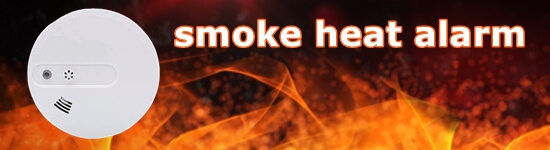
A heat smoke alarm is a fire safety device that combines smoke detection and heat sensing to identify fire risks more accurately in areas where smoke, steam, dust, or high temperature may affect traditional smoke alarms.
Can a smoke detector be alarmed by heat? This is a common question for homeowners, contractors, facility managers, and fire alarm buyers. The simple answer is: a normal smoke detector is designed to detect smoke, not heat. However, if the device is a heat smoke alarm, it may respond to both smoke particles and temperature changes.
Understanding this difference is very important before choosing a fire alarm device for a home, apartment, kitchen, garage, warehouse, hotel, or commercial building. Many people use the words “smoke alarm,” “heat alarm,” and “fire alarm” as if they mean the same thing, but technically they are different products with different sensing principles.
A smoke alarm detects smoke particles in the air. A heat alarm detects a dangerous rise in temperature. A heat smoke alarm combines both functions in one device, helping users improve fire detection coverage while reducing false alarms in challenging environments.
What Is a Smoke Detector?
A smoke detector is a fire warning device designed to sense smoke particles produced by a fire. Most residential smoke alarms use photoelectric or ionization sensing technology. Photoelectric smoke alarms are commonly used because they are effective for smoldering fires, such as fires caused by overheated wiring, furniture, or bedding materials.
Smoke alarms are recommended in bedrooms, hallways, living rooms, stairways, and other areas where people need early warning during a fire. Since smoke usually spreads before flames or extreme heat reach a dangerous level, a smoke detector can provide fast warning and help people evacuate earlier.
However, a traditional smoke detector does not measure room temperature as its main alarm trigger. If there is heat but no smoke entering the sensing chamber, a standard smoke detector may not activate. That is why a smoke detector and a heat alarm should not be treated as the same product.
What Is a Heat Alarm?
A heat alarm is a fire safety device that responds to temperature instead of smoke. It is commonly installed in rooms where a smoke alarm may cause nuisance alarms, such as kitchens, bathrooms, garages, boiler rooms, laundry rooms, attics, and dusty workshops.
There are two common types of heat detection:
Fixed temperature heat alarm: This alarm activates when the room temperature reaches a preset level, such as around 57°C.
Rate-of-rise heat alarm: This alarm activates when the temperature rises rapidly within a short time.
A heat alarm is not usually the first choice for sleeping areas because it may respond later than a smoke alarm. But in special environments with steam, cooking fumes, dust, or humidity, a heat alarm can be more suitable and stable.
What Is a Heat Smoke Alarm?
A heat smoke alarm is a combined fire alarm device that detects both smoke and heat. It is designed to improve fire detection performance by using two sensing methods in one unit. This type of alarm can help identify fire conditions where smoke or heat alone may not provide the best response.
For example, in some fires, smoke appears first. In other situations, the room temperature may rise quickly before smoke spreads to the detector. A heat smoke alarm helps cover both possibilities.
This is why many homeowners, installers, and fire safety buyers search for a combined smoke and heat alarm instead of choosing only one type of detector. A heat smoke alarm can be especially useful in areas where fire risks are high but false alarms must be reduced.
Can a Smoke Detector Be Alarmed by Heat?
If it is a standard smoke detector, it is usually not alarmed by heat alone. It needs smoke particles to enter the sensing chamber before it triggers an alarm.
But if the product is a heat smoke alarm, then yes, it can be alarmed by heat under certain conditions. The heat sensor inside the device can detect high temperature or rapid temperature increase, depending on the alarm design.
This means the answer depends on the product type:
A smoke alarm detects smoke.
A heat alarm detects temperature.
A heat smoke alarm detects both smoke and heat.
So, before buying or installing a fire alarm, users should confirm whether the device is only a smoke detector or a combined heat smoke alarm.
Why Heat Alone May Not Trigger a Standard Smoke Detector
A standard smoke detector is built around smoke sensing technology. Its internal sensor is designed to detect particles in the air. Heat may affect the surrounding environment, but unless smoke enters the detector, the alarm may not sound.
This is important for locations like attics. During summer, an unventilated attic can become very hot. But high temperature alone does not always mean there is a fire. If a standard smoke alarm reacted to normal heat, it could create many false alarms.
That is why fire alarm design must balance sensitivity and stability. A good detector should respond to real fire conditions while avoiding unnecessary alarms caused by cooking steam, dust, humidity, or normal environmental temperature changes.
Where Should Smoke Alarms Be Installed?
Smoke alarms are best installed in areas where early smoke detection is important. These areas include bedrooms, corridors, living rooms, staircases, and each floor of a residential building.
In sleeping areas, smoke alarms are especially important because people may not smell smoke while asleep. A loud alarm can provide critical warning time for evacuation.
However, smoke alarms are not always ideal in kitchens, bathrooms, or dusty garages. Cooking smoke, steam, humidity, and dust may enter the sensing chamber and cause false alarms. In these locations, a heat alarm or heat smoke alarm may be a better solution.
Where Should Heat Alarms Be Installed?
Heat alarms are suitable for areas where smoke alarms may not perform well due to environmental interference. Common installation locations include kitchens, garages, attics, laundry rooms, boiler rooms, workshops, and utility rooms.
For example, in a kitchen, normal cooking may produce smoke or steam. A smoke alarm installed too close to the cooking area may trigger nuisance alarms. A heat alarm can reduce this problem because it responds to temperature instead of smoke particles.
In garages, vehicle exhaust, dust, and temperature fluctuations may affect a normal smoke alarm. A heat alarm or heat smoke alarm can offer better stability while still providing fire warning protection.
Why Choose a Heat Smoke Alarm?
A heat smoke alarm provides wider fire detection coverage than a single-sensor device. It combines smoke sensing and heat sensing into one alarm, making it useful for environments where both fire speed and false alarm control matter.
Here are the main benefits of choosing a heat smoke alarm:
It detects smoke and heat in one device.
It helps reduce false alarms in challenging rooms.
It provides better protection for kitchens, garages, attics, and utility rooms.
It can respond to different fire development patterns.
It simplifies fire alarm product selection for installers and buyers.
For B2B buyers, a heat smoke alarm also offers a strong product advantage because it meets the demand for smarter, safer, and more practical home fire protection.
Heat Smoke Alarm for Kitchens:
The kitchen is one of the most common places where fires start. Cooking oil, electrical appliances, ovens, gas stoves, and overloaded sockets can all create fire risks.
However, kitchens also produce steam, heat, and cooking smoke during normal use. This makes product selection more important. A normal smoke alarm may be too sensitive in the kitchen, while a heat alarm may respond only when temperature rises.
A heat smoke alarm can be a practical solution when users want broader detection ability. It can detect smoke from a real fire while also monitoring abnormal temperature rise.
Heat Smoke Alarm for Garages:
Garages are often dusty, humid, and exposed to temperature changes. They may also contain vehicles, tools, fuel, paint, chargers, and electrical equipment. These conditions increase fire risk while making standard smoke detection less stable.
A heat smoke alarm can help improve fire monitoring in garages by detecting both smoke and heat. For homeowners, this means better protection. For installers, it means fewer complaints about nuisance alarms caused by dust or environmental conditions.
Heat Smoke Alarm for Attics:
Attics can reach high temperatures during hot weather, especially if ventilation is poor. This leads many people to ask whether heat can set off a smoke detector. In most cases, a standard smoke detector should not activate only because the attic is hot.
But if the installed product is a heat smoke alarm, the heat sensor may respond when the temperature reaches its alarm threshold or rises quickly. For this reason, the selected alarm must be suitable for the installation environment.
If the attic regularly becomes very hot in summer, users should check the product’s operating temperature range before installation.
Heat Smoke Alarm for Commercial Buildings:
Commercial buildings often include many different environments: offices, kitchens, warehouses, equipment rooms, corridors, storage rooms, and public areas. A single type of alarm may not be suitable for every room.
Smoke alarms may be best for offices and corridors. Heat alarms may be better for kitchens and plant rooms. A heat smoke alarm may be selected where broader detection is required.
For hotels, schools, apartments, factories, shopping malls, and warehouses, choosing the correct alarm type can reduce false alarms, improve fire response, and support safer building management.
Common Mistakes When Choosing Fire Alarms:
One common mistake is installing a smoke alarm in every room without considering the environment. In kitchens and bathrooms, this may lead to frequent false alarms.
Another mistake is thinking that all fire alarms detect both smoke and heat. This is not true. A smoke alarm, heat alarm, and heat smoke alarm are different products.
A third mistake is choosing a low-cost detector without checking the sensor type, sound level, power supply, certification, installation method, and application area.
For importers, distributors, and fire safety project buyers, these mistakes can lead to customer complaints, product returns, and poor installation results.
How to Select the Right Heat Smoke Alarm?
When selecting a heat smoke alarm, buyers should pay attention to several key points.
First, check the sensing technology. A good alarm should have reliable smoke detection and stable heat sensing.
Second, check the alarm sound level. A loud alarm, such as 85dB, helps users hear the warning clearly.
Third, check the power supply. Battery-powered, mains-powered, and low-voltage system-connected models may suit different markets.
Fourth, check the application environment. Products used in kitchens, garages, and utility rooms should be designed to reduce nuisance alarms.
Fifth, check certification and manufacturer capability. A reliable fire alarm supplier should support stable quality, testing, OEM/ODM customization, and long-term product availability.
Why Sumring Heat Smoke Alarm Solutions Are Worth Considering?
Sumring focuses on fire alarm and security alarm solutions for residential, commercial, and industrial applications. For buyers looking for a reliable heat smoke alarm, Sumring provides practical product options designed for real installation environments.
A Sumring heat smoke alarm can help users detect both smoke and abnormal heat conditions. It is suitable for kitchens, garages, utility rooms, apartments, rental houses, warehouses, and small commercial buildings.
For distributors and project contractors, Sumring also supports OEM/ODM service, product customization, stable supply, and professional technical communication. This helps B2B customers build stronger product lines and serve different market needs.
Heat Smoke Alarm vs Smoke Alarm vs Heat Alarm:
A smoke alarm is best for early smoke detection in living areas and sleeping areas.
A heat alarm is better for smoky, steamy, dusty, or humid rooms where smoke alarms may cause false alarms.
A heat smoke alarm combines the advantages of both and can provide more flexible fire detection in selected locations.
The best fire safety plan does not rely on one device only. Instead, it uses the right detector in the right room.
If you are looking for a reliable heat smoke alarm for your market, project, or fire safety product line, Sumring can help you choose the right model, customize product details, and provide professional fire alarm solutions.
FAQ:
-
Can a normal smoke detector detect heat?
No. A normal smoke detector is mainly designed to detect smoke particles, not heat. If you need heat detection, choose a heat alarm or heat smoke alarm.
-
What is a heat smoke alarm?
A heat smoke alarm is a combined fire alarm device that detects both smoke and heat. It helps improve fire warning coverage in different environments.
-
Is a heat smoke alarm better than a smoke alarm?
It depends on the installation area. A smoke alarm is better for bedrooms and hallways, while a heat smoke alarm may be better for kitchens, garages, attics, and utility rooms.
-
Where should I install a heat smoke alarm?
A heat smoke alarm can be installed in kitchens, garages, laundry rooms, utility rooms, attics, apartments, warehouses, and selected commercial areas.
-
Can high summer temperature set off a fire alarm?
High temperature may not trigger a standard smoke alarm, but it may affect a heat alarm or heat smoke alarm if the temperature reaches the alarm threshold.
-
Why not install a smoke alarm in the kitchen?
Cooking smoke and steam can cause false alarms. A heat alarm or heat smoke alarm is often more suitable for kitchens.
-
Does a heat alarm replace a smoke alarm?
No. A heat alarm should not replace smoke alarms in bedrooms or hallways. It should be used together with smoke alarms for better fire protection.
-
How do I choose a reliable heat smoke alarm supplier?
Choose a supplier with stable quality control, fire alarm production experience, OEM/ODM support, suitable certifications, and clear technical communication. Sumring can provide reliable heat smoke alarm solutions for global buyers.
A smoke detector and a heat detector are not the same. A standard smoke detector detects smoke, while a heat alarm detects temperature. If you want one device that can monitor both smoke and heat, a heat smoke alarm is the better choice.For kitchens, garages, attics, utility rooms, and commercial fire safety projects, Sumring heat smoke alarm solutions can help reduce false alarms, improve protection, and support safer buildings.
Contact Sumring today to learn more about heat smoke alarm products, OEM/ODM options, and professional fire alarm solutions for your market.