How Does Conventional Fire Alarm Control Panel Protect Your Building?
A Conventional Fire Alarm Control Panel (FACP) is the central device in a building’s fire safety system, responsible for monitoring, alerting, and controlling alarms across multiple zones.
Imagine running a bustling coffee shop in Dubai Marina or a cozy office in Singapore. The aroma of coffee beans fills the air, customers chat happily, and employees move efficiently behind the counter. You’ve done all the obvious things to stay safe—fire extinguishers are in place, exit signs are clear—but one critical piece of safety equipment often goes unnoticed: the Conventional Fire Alarm Control Panel (FACP) mounted near the back door.
For building owners, facility managers, or small business operators, understanding this panel is crucial. Let’s break down what a Conventional FACP does, why it’s called “conventional,” and how it ensures the safety of people and property across your building.
How a Conventional Fire Alarm Control Panel Works?
One afternoon, a candle gets knocked over near the restrooms. Smoke begins to rise.
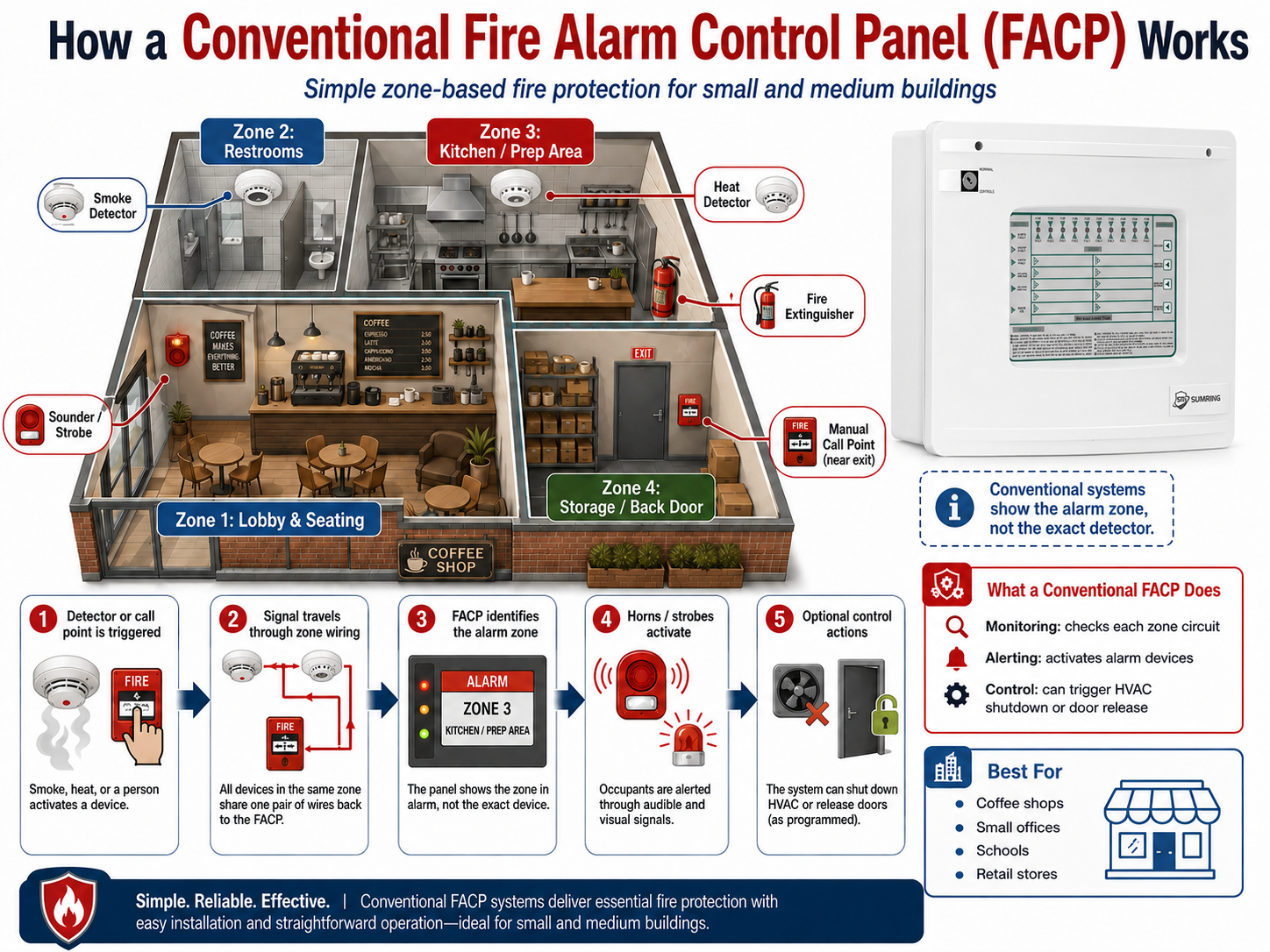
In large skyscrapers or high-tech offices, an intelligent system might pinpoint the exact smoke detector triggered. But in a small-to-medium building, a Conventional Fire Alarm System works differently:
- The Trigger: The smoke detector in the restroom senses smoke and closes an electrical circuit.
- The Signal: This signal travels through the dedicated wiring back to the main panel.
- The Zone: The panel identifies the general “Zone” (e.g., Zone 2: Restrooms) rather than the exact device.
- The Alert: The FACP lights up the corresponding LED and sounds the building’s sirens.
In simple terms, a Conventional FACP divides your building into zones—like Kitchen, Lobby, Hallway, or Restrooms. When an alarm activates, the panel guides responders to the right area without specifying the exact detector.
Why Is It Called Conventional?
You might ask, “Why ‘conventional’?”
Think of it as a standard light switch compared to a smart home app. A Conventional Fire Alarm Control Panel relies on straightforward, reliable wiring to connect detectors. It doesn’t require software, programming, or cloud connectivity. If a wire is cut or a detector activates, the panel immediately responds.
This robustness and simplicity make it ideal for smaller buildings like offices, shops, restaurants, schools, and clinics.
The Three Core Functions of a Conventional Fire Alarm Control Panel
Using our coffee shop example, a Conventional Fire Alarm Control Panel performs three essential jobs:
- Monitoring (The Watchdog): The FACP constantly checks wiring integrity. If a wire is cut or a detector removed, it signals a “Fault” or “Trouble” condition.
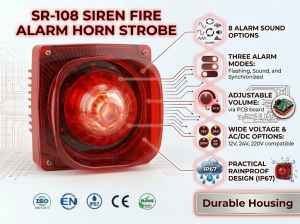
- Alerting (The Alarm): When triggered by smoke detectors or manual pull stations, the panel activates alarms—bells, horns, and strobe lights—alerting everyone.
- Control (The Commander): Advanced systems can interact with other building functions, such as shutting down HVAC systems to prevent smoke spread or unlocking doors for safe evacuation.
Is a Conventional Fire Alarm Control Panel Right for Your Building?
For small-to-medium buildings, a Conventional FACP often offers the best balance of cost, simplicity, and reliability. Consider it if:
- You have a limited budget for fire safety equipment.
- Your building is relatively small, and zones are easy to search visually.
- You want a system that is straightforward to install and maintain, without specialized technicians.
In markets across the UAE, Singapore, Thailand, and the Philippines, Conventional Fire Alarm Control Panel are widely used in commercial spaces like coffee shops, boutique offices, schools, and retail outlets. They remain the preferred choice where reliability, ease of use, and compliance with ISO9001 and EN54 standards are priorities.
Installation Tips and Best Practices
- Determine Zones Strategically: Divide your building logically to ensure alarms direct responders efficiently.
- Regular Testing: Test each detector and the panel monthly to verify proper operation.
- Keep Wiring Intact: Check wiring for wear or damage—any broken circuit reduces effectiveness.
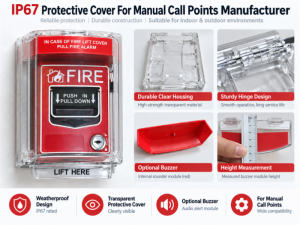
- Integrate Manual Call Points: Ensure manual pull stations are easy to access and clearly marked.
- Choose Certified Products: Opt for FACPs with CE, EN54, or UL certification to comply with local safety regulations.
Benefits of Using a Conventional Fire Alarm Control Panel
- Cost-Effective: Lower upfront and maintenance costs compared to addressable systems.
- User-Friendly: Easy to understand, operate, and troubleshoot.
- Reliable: Proven technology with decades of track record in commercial and residential buildings.
- Versatile: Compatible with a wide range of smoke detectors, heat detectors, and manual call points.
FAQ
1. Can a Conventional Fire Alarm Control Panel pinpoint the exact detector triggered?
No. It identifies the general zone, not the specific device.
2. How often should I test a Conventional Fire Alarm Control Panel?
Monthly testing is recommended for optimal safety.
3. Can it integrate with other building systems?
Yes. It can control HVAC, doors, and alarms in advanced setups.
4. Is it suitable for large skyscrapers?
It’s better for smaller buildings; large complexes may require addressable systems.
5. What certifications should I look for?
ISO9001, EN54, CE, and UL certifications ensure compliance.
6. Does it require specialized technicians?
No, installation and maintenance are straightforward.
7. How many zones can a Conventional Fire Alarm Control Panel manage?
Typically 2–8 zones for small-to-medium buildings; larger systems may expand further.
8. Can I upgrade to a smart system later?
Yes, many conventional panels can be integrated or replaced with addressable systems.
Take action today: Equip your building with a certified Conventional Conventional Fire Alarm Control Panel and make fire safety effortless, reliable, and compliant.